How to contribute to the UN Convention on the Human Rights of Older Persons?
Participate in process for drafting the new UN Convention
This is a unique moment for civil society to shape a historic new human rights instrument – and older persons must be at the centre of it.
Learn more below:
01. How can older persons and their organisations be involved?
The participation of older persons and civil society is explicitly recognised in the resolution establishing the Intergovernmental Working Group (IGWG) tasked with drafting the new UN Convention.
Their participation should be meaningful, inclusive, and regionally representative, ensuring diverse voices are heard — especially those of older women, older persons with disabilities, and other marginalised groups. National human rights institutions, equality bodies and civil society groups also have a key role in coordinating input and facilitating access for older persons who may face barriers to engagement.
Older persons’ organisations and stakeholders are invited to:
- Attend sessions of the IGWG. This represents an opportunity to provide inputs and share lived experiences and recommendations for olderpersons’ rights.
Learn more about the sessions and how to register in the following section. - Engage with national governments to encourage their active involvement, influence their position and ensure inclusive participation. This can be an opportunity to highlight key priorities such as age discrimination, care, autonomy, accessibility, and participation.
- Outline how they will contribute to advancing the development of the UN Convention by submitting their pledge on the AGE website.
- Spread the word about the importance of this UN Convention by being engaged on social media using #UNConvention, #WorldForAllAges and #LeadWithUs on Linkedin | Facebook | BlueSky.
02. How to participate in the Intergovernmental Working Group sessions?
Timeline reminders
The first organisational session was held in February 2026. It elected its Chair and discussed modalities of participation. You can read AGE key messages for this organisational session.
The Intergovernmental Working Group (IGWG) drafting the UN Convention on the rights of older people is expected to meet twice a year in Geneva, in five-day hybrid sessions. The first two meetings for 2026 were confirmed and delve into the content of the UN Convention.
- First session – 13-17th July 2026 – Find out what happened during the first substantive session.
- Second session – 26-30th October 2026 – Find out what happened during the second substantive session.
- Third and fourth sessions – 19-23 July 2027 and 1-5 November 2027 respectively.
Call for inputs – until 18 December 2026
Following the second substantive session, the IGWG has launched a call for inputs, inviting stakeholders to share their views on the main elements of the future Convention.
This is a valuable opportunity to influence the content of the Convention at an early stage and help ensure that it responds to the realities of older people’s lives.
The UN is seeking input on five key segments of the future instrument:
- preamble
- definitions
- state obligations
- catalogue of rights
- implementation, monitoring and international cooperation
You can find the guiding questions here.
You can contribute by:
- Getting an update on the key points discussed during the IGWG session in our dedicated article.
- Prepare your input drawing on existing materials from the member area.
- Enrich these shared messages by bringing your own experiences and examples. You do not need to address every question: focus on the issues where you can bring valuable insights and make a difference.
Submit your written input:
Date: By 18 December 2026 (17:00 Geneva time)
Format: Word
Email: to the secretariat OHCHR-IGWG-HROP@un.org with “Input on the elements of a legally binding instrument on the human rights of older persons” in the subject line
Register to attend the sessions
- Organisations wishing to attend an Intergovernmental Working Group (IGWG) session in person must complete the registration process outlined here.
- Global Alliance for the Rights of Older People (GAROP) has also developed a step-by-step guide for NGOs explaining how to complete the registration process.
- If you have any questions about registration, please contact the IGWG Secretariat at OHCHR-IGWG-HROP@un.org.
NGO preparation meeting
- The Global Alliance for the Rights of Older People (GAROP) and the NGO Committee on Ageing usually organise an NGO preparation meeting in Geneva before the start of each IGWG session.
- These meetings are generally open to NGOs, National Human Rights Institutions, and other participating organisations. Please note that separate registration may be required.
- Please check the Global Alliance for the Rights of Older People (GAROP) website regularly for updates and to ensure you have the latest information about the preparation meeting and the IGWG sessions.
03. Call for Pledges: show your support the UN Convention
We invite AGE members, civil society organisations, Member States, and other stakeholders to submit commitments outlining how your organisation will contribute to advancing the development of a UN Convention on the Rights of Older Persons.
Learn about the new UN Convention and stay updated on the drafting process and future events:
Recent Updates

2nd IGWG Session: AGE and its members continue to shape the Future UN Convention
The 2nd session of the Working Group took place from 26 to 30 October to continue drafting the UN Convention on the Rights of Older Persons.
The European Parliament discusses the UN Convention for the first time
The European Parliament held their first debate on the process towards a UN Convention on the Human Rights of Older People.
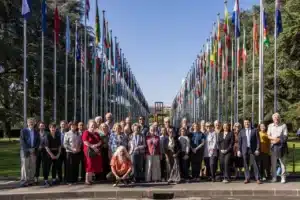
International Day of Older Persons 2026: Drafting the UN Convention on the Human Rights of Older Persons
On 1 October 2026, we are renewing our commitment to the upcoming UN Convention and to advancing equality at all ages around the world.
Negotiations on a UN Convention on the Rights of Older Persons begin in Geneva
Discover the key highlights from our Members’ delegation to Geneva.
Contact