2nd Substantive Session: AGE and its members continue to shape the Future UN Convention

UN Convention IGWG2
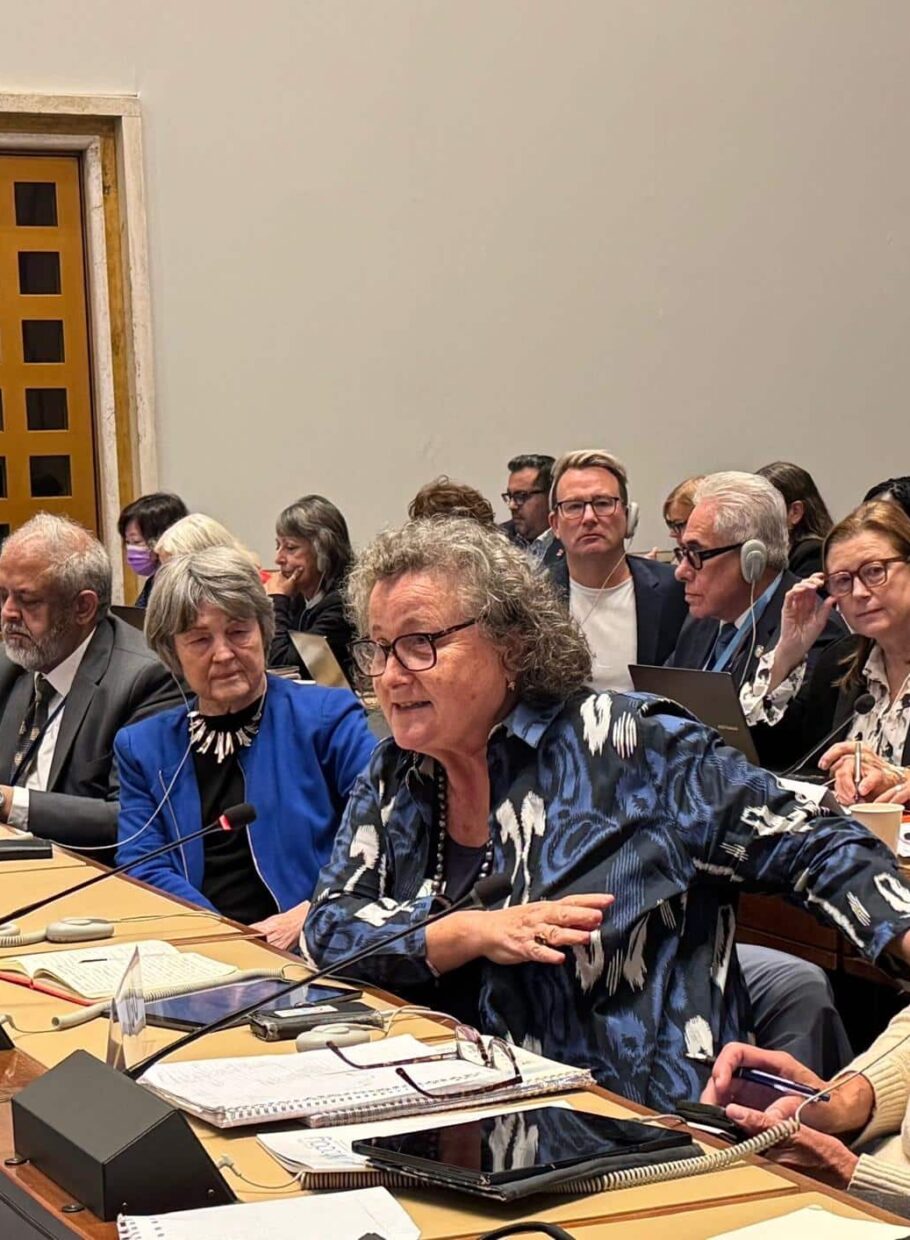
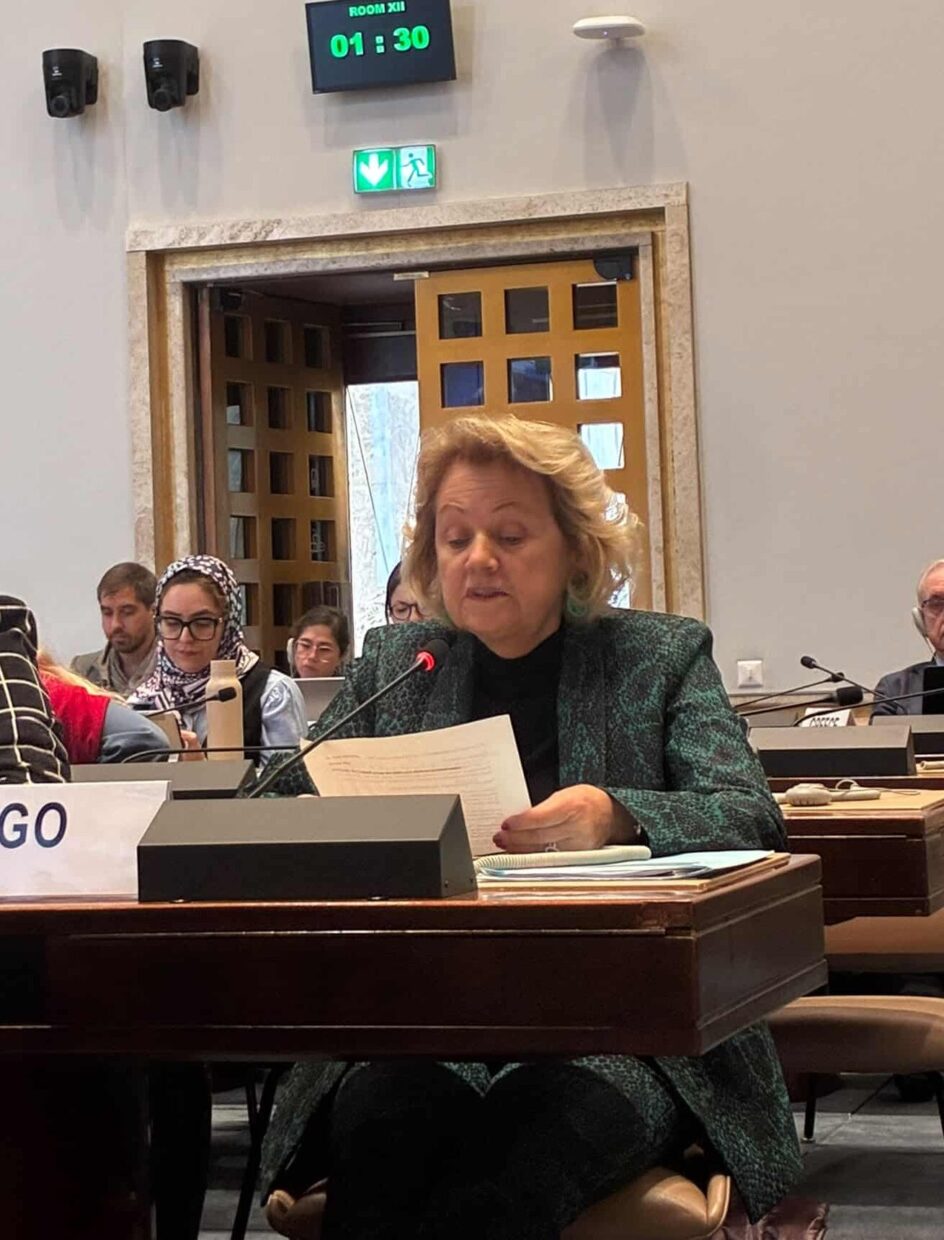
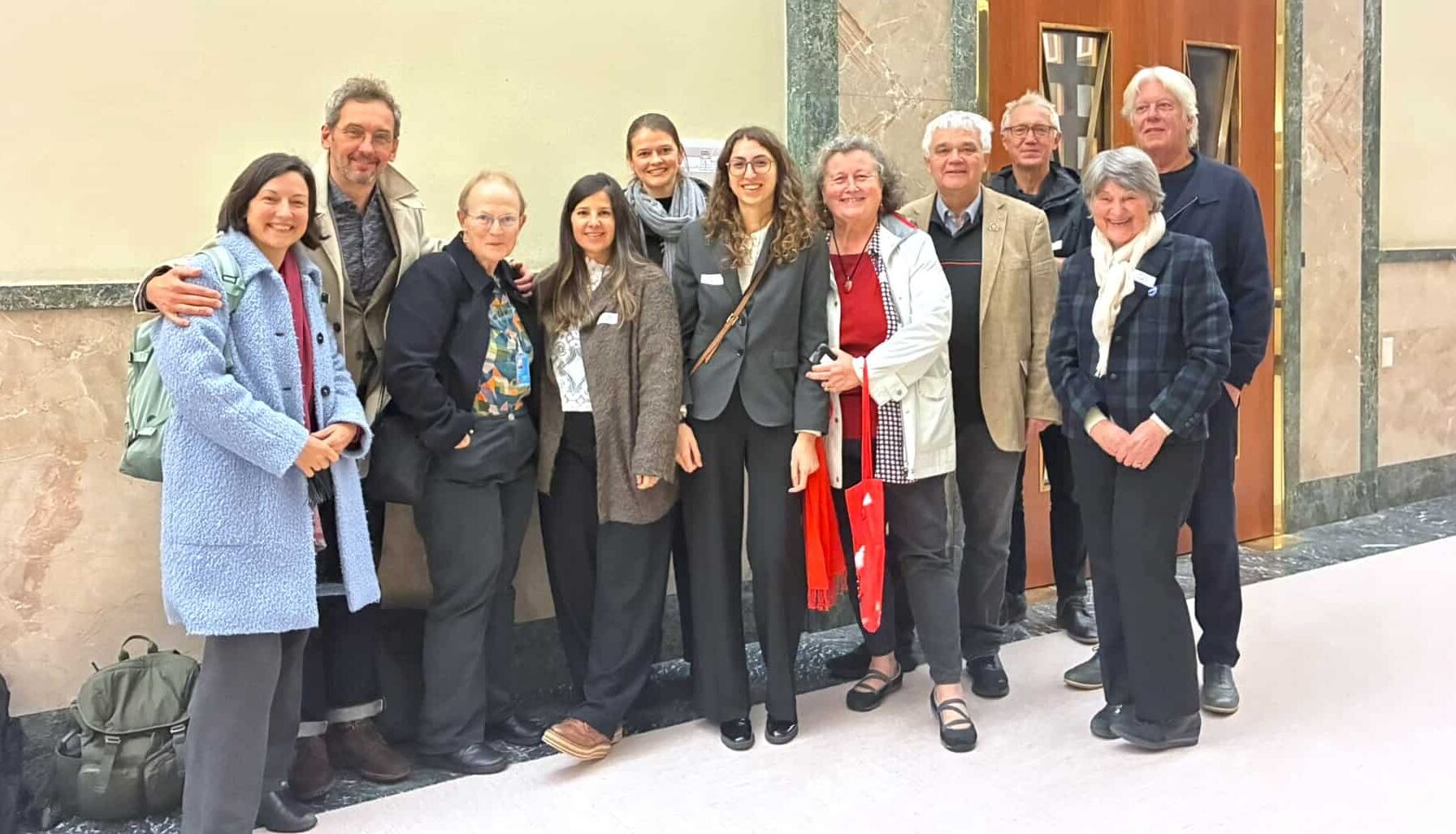
AGE Staff and Members in Geneva

A new chapter is unfolding as UN negotiations move towards concrete proposals for the content of the new treaty. 

From 26 to 30 October 2026, AGE Platform Europe and 12 of its member organisations took part in the second session of the Intergovernmental Working Group (IGWG), tasked with elaborating a new legally binding international instrument on the rights of older persons. 

The session marked an important milestone in the process, bringing the negotiations a step closer to the development of a new Convention. Following the first substantive session last July, when the Working Group discussed the conceptual foundations of the future instrument and adopted a general timeline for its work, discussions have now entered a new phase, focusing on concrete proposals for the content of the treaty. 

For AGE and its members, this represents an exciting moment after many years of advocacy, collaboration and determination to advance the human rights of older persons at international level.

"It is truly exciting to see concrete progress towards a UN Convention on the Rights of Older Persons after many years of collective work and advocacy. In a rapidly changing world, this is a unique opportunity to ensure that older people, in all their diversity, can enjoy their human rights fully and equally, and participate meaningfully in all aspects of life. We must seize this moment to build a future where every older person can live with dignity, purpose and connection."
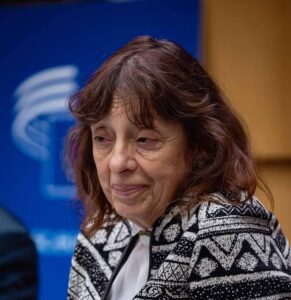
Maria Petkova
President of AGE Platform Europe

What was discussed?

Many Member States actively participated in the discussions, which were chaired by the Ambassador of Argentina. Five key elements of the future Convention were examined: the preamble, definitions, general principles and State obligations, the catalogue of rights, and the monitoring mechanism. 

Civil society organisations (CSOs) and National Human Rights Institutions (NHRIs) also enjoyed stronger participation than ever before. For the first time, the European Network of Equality Bodies (Equinet) joined the negotiations, further broadening the range of perspectives contributing to the development of the future instrument. 

Discussions revealed considerable convergence among Member States and other stakeholders on many of the main elements of the treaty. While differences remain, particularly regarding the definition of older persons and the future monitoring mechanism, there has been noticeable progress towards establishing a common rights-based foundation for the Convention. 

There was overall support for a treaty that builds on and reinforces existing international human rights standards where needed. Participants also highlighted ageism as a key driver of human rights violations and stressed that State obligations to eliminate ageism in all its forms must be central to the future instrument. 

Calls were also made for the Convention to be forward-looking, responding to evolving societal dynamics, challenges and concepts. Importantly, there was broad support for the meaningful participation of older persons and their representative organisations throughout the process.

UN Convention IGWG2
UN Convention IGWG2
UN Convention IGWG2
UN Convention IGWG2
AGE Members

Putting older people's voices at the heart of negotiations

Throughout the session, AGE consistently stressed the importance of placing older persons at the centre of the negotiations and ensuring their meaningful involvement at every stage of the process as well as the implementation of the future instrument. 

“We, older people, must be meaningfully involved in all steps of negotiations, with equal opportunities to share our lived experiences, expectations and aspirations during drafting sessions. Older people are by far the best experts in ageing. Our lived experience is exactly what can help anchor this convention in everyday people’s reality.”
Maciej Kucharczyk
Secretary General of AGE Platform Europe
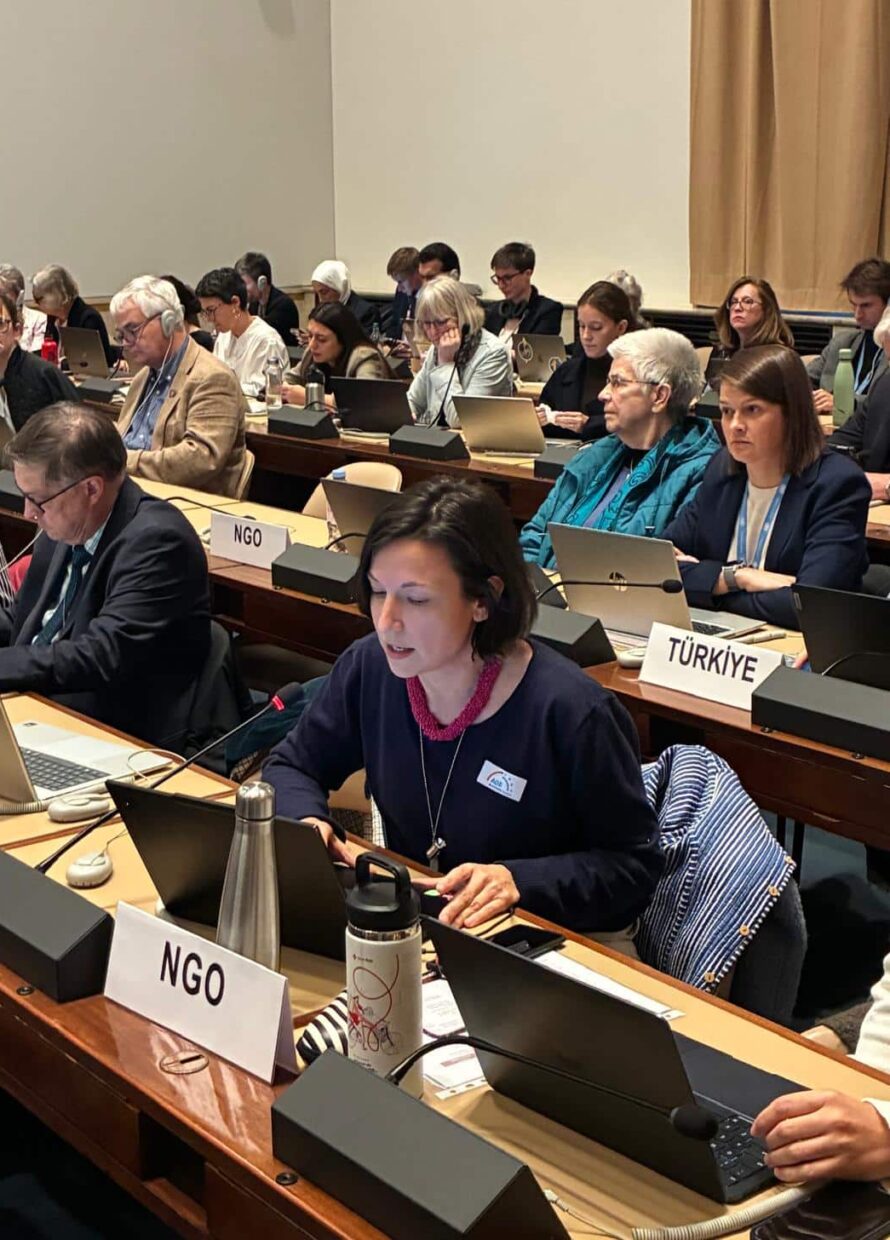
AGE actively contributed to discussions across all five elements of the future treaty, presenting statements [see ‘AGE Oral Statements’ below] informed by its position on the conceptual foundations of the Convention and the discussion papers [see GAROP Discussion Paper’ below] developed by the Global Alliance for the Rights of Older People (GAROP), to which AGE has contributed.

Beyond its interventions in the formal negotiations, AGE also worked to create opportunities for dialogue and exchange between different stakeholders. Together with AARP and Malta, AGE co-organised an informal meeting on the future monitoring mechanism, bringing together Member States, NHRIs and civil society organisations to explore different options and perspectives. AGE’s Head of Advocacy also participated in a meeting co-hosted by AARP and Brazil, the incoming Chair of the IGWG, alongside the co-facilitators, Argentina and the Secretariat. Discussions focused on the importance of ensuring meaningful civil society participation at every stage of the negotiations, including in drafting the zero draft. 

In addition, AGE – alongside Equinet and ENNHRI- had the opportunity to share its impressions of the session and views on the way forward during an informal briefing with EU Member States. Bilateral meetings with the delegations of Malta, Italy and France further enabled AGE to exchange perspectives and advocate for a strong, ambitious and inclusive Convention. 

UN Convention IGWG2
UN Convention IGWG2
UN Convention IGWG2
AGE Staff Members

Looking ahead: the road to a new Convention

At the closing meeting, Brazil’s Permanent Representative was appointed Chair of the IGWG for 2027, succeeding Argentina. Five pairs of co-facilitators were also appointed to lead consultations on the five thematic areas of the future instrument: the Philippines and Serbia on the Preamble, Slovenia and Uruguay on Definitions, The Gambia and Qatar on State Obligations Australia and Brazil on Catalogue of Rights, and Malta and Lesotho on Monitoring. 

Under the proposed timeline, a call for inputs on the five thematic areas is expected to be launched in November 2026. This will be followed by intersessional consultations from January to May 2027, providing further opportunities for stakeholders to contribute to the development of the future Convention. 

The third session of the IGWG is expected to take place from 19 to 21 July 2027. The co-facilitators will work towards presenting a draft outline of the Convention at this session, with a zero draft of the treaty envisaged by October 2027. 

These upcoming milestones will be crucial in translating discussions and proposals into a concrete treaty text. AGE Platform Europe and its members will continue to actively engage throughout this process, bringing their expertise, experience and the perspectives of older people to the negotiations.  

AGE thanks the Ambassador of Argentina for its leadership so far and looks forward to working with the new Chair and the co-facilitators from January 2027. 

UN Convention IGWG2
AGE Staff and Members in Geneva

More information

  • AGE Platform Europe webpage on the UN convention 
  • AGE’s contribution to the UN call for inputs 
  • IGWG webpage (including statements and official documents) 
  • Call for pledges to support the UN Convention on the Rights of Older Persons 


Learn about the new UN Convention and stay updated on the drafting process and future events:

UN Convention Video screenshot 1
UN Convention Video screenshot 2


Contribute to the drafting process of the UN Convention and register for the next session:

Contact

Apolline photo


Apolline Parel

Human Rights Officer

Related news

Skip to content