Older Persons at the Centre: Celebrating a Milestone in the Journey Towards a UN Convention on the Rights of Older Persons 

UN Convention

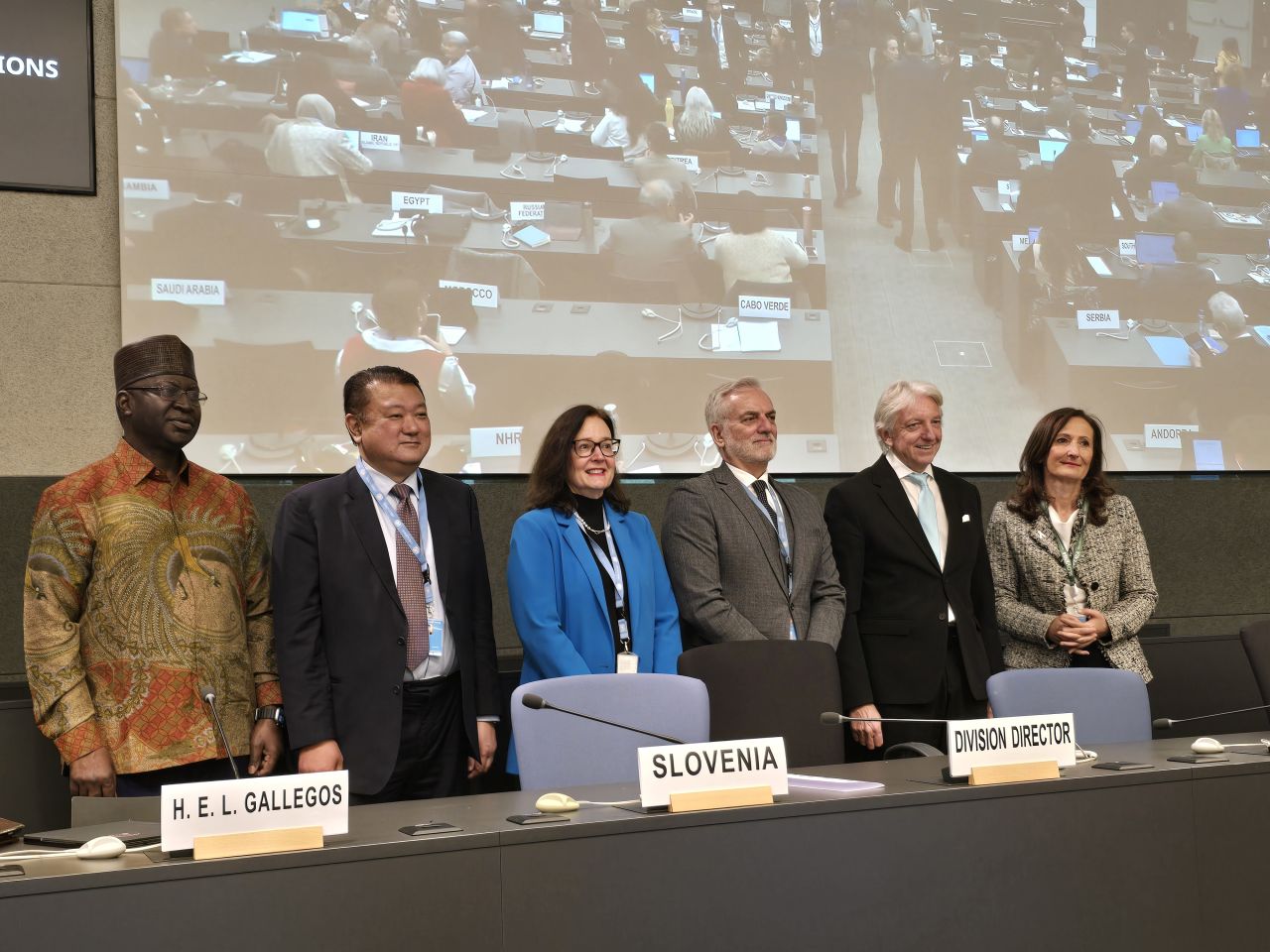
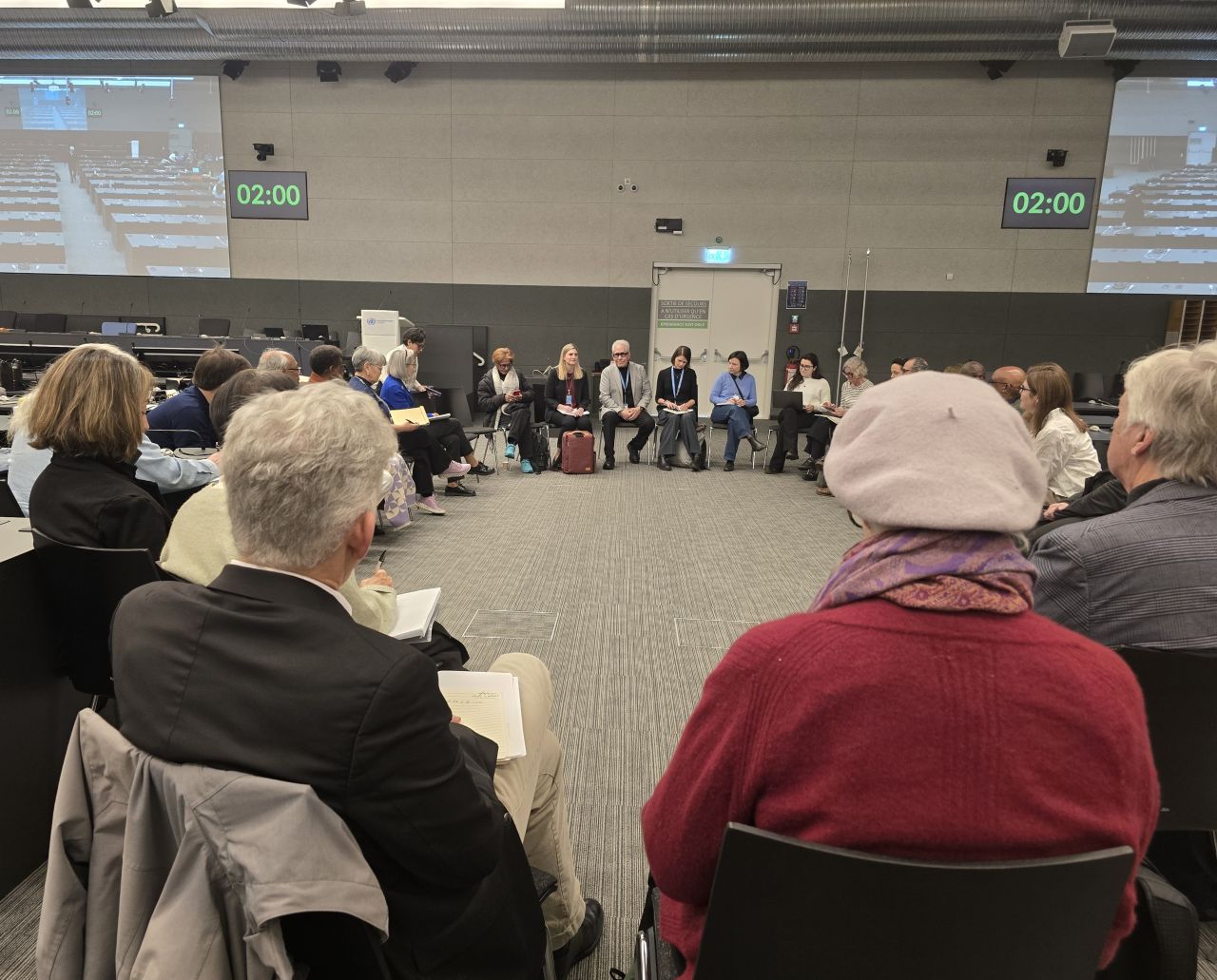
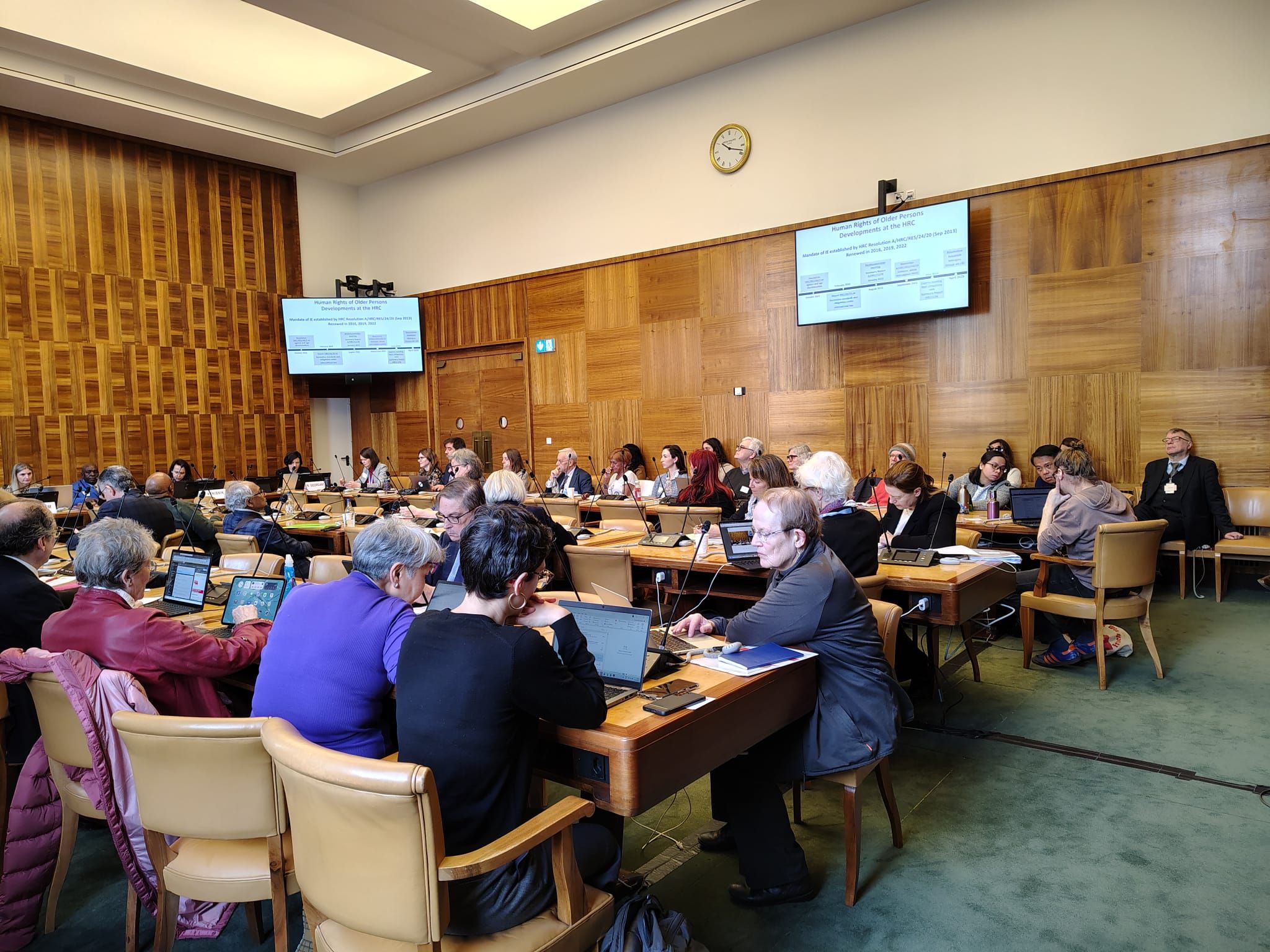
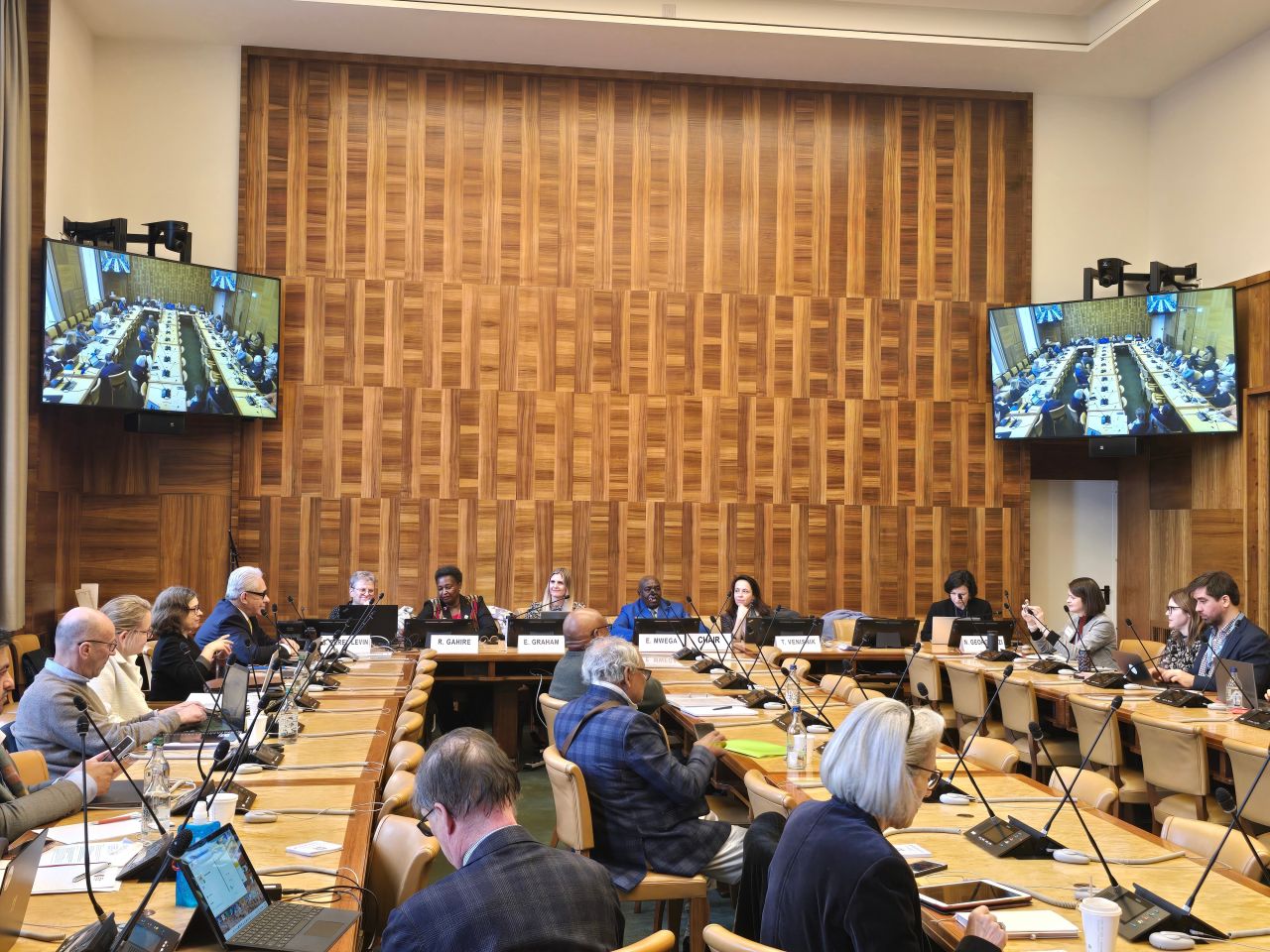
Years of dedicated advocacy have culminated in a historic step: Members States agreed to start drafting a UN Convention on the Rights of Older Persons. The first Organisational Meeting of the Intergovernmental Working Group on older persons (IGWG) took place from 18 to 20 February 2026 in the United Nations in Geneva. It marked the official start of the process – an important milestone for the rights of older persons.  

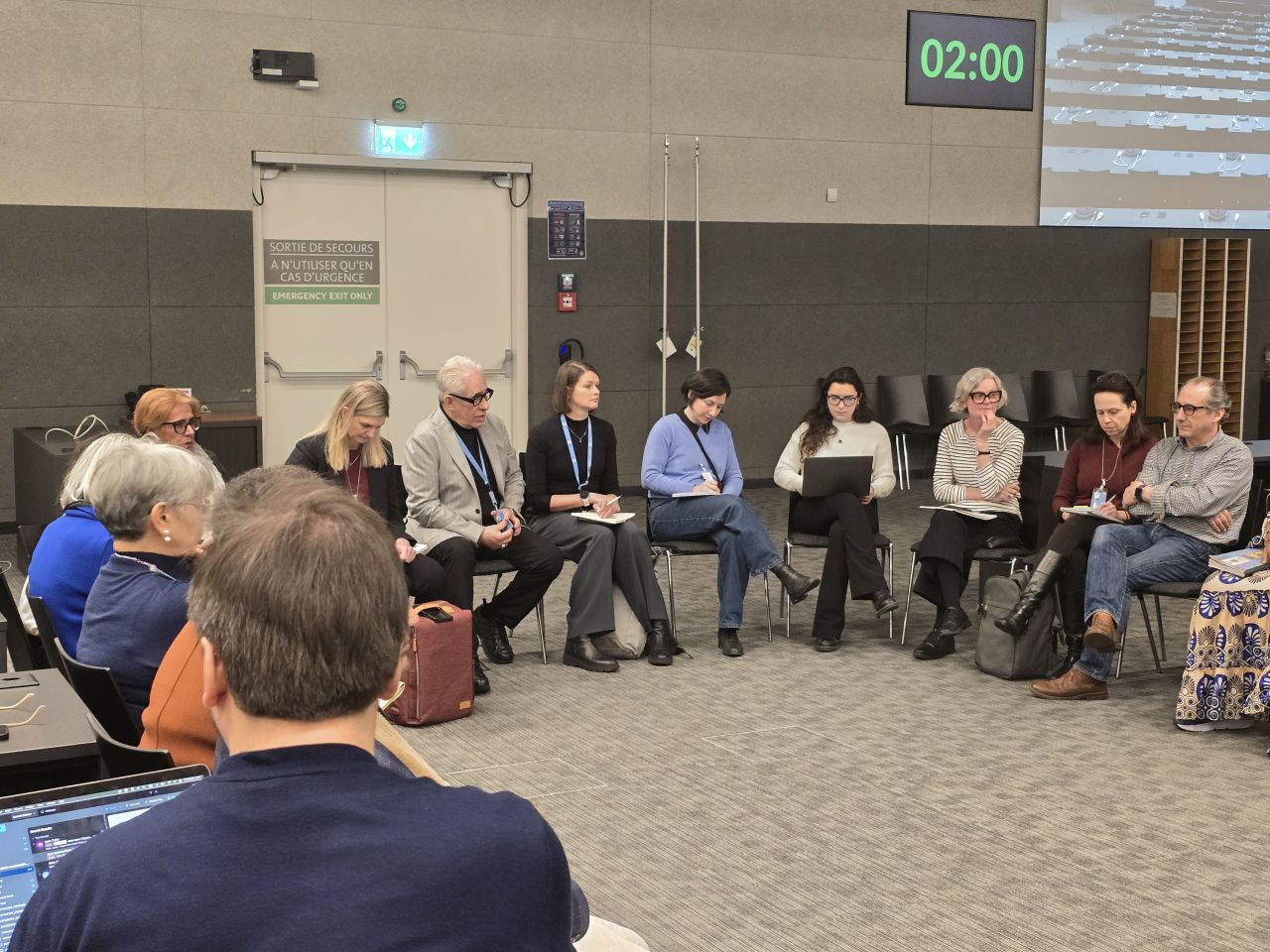
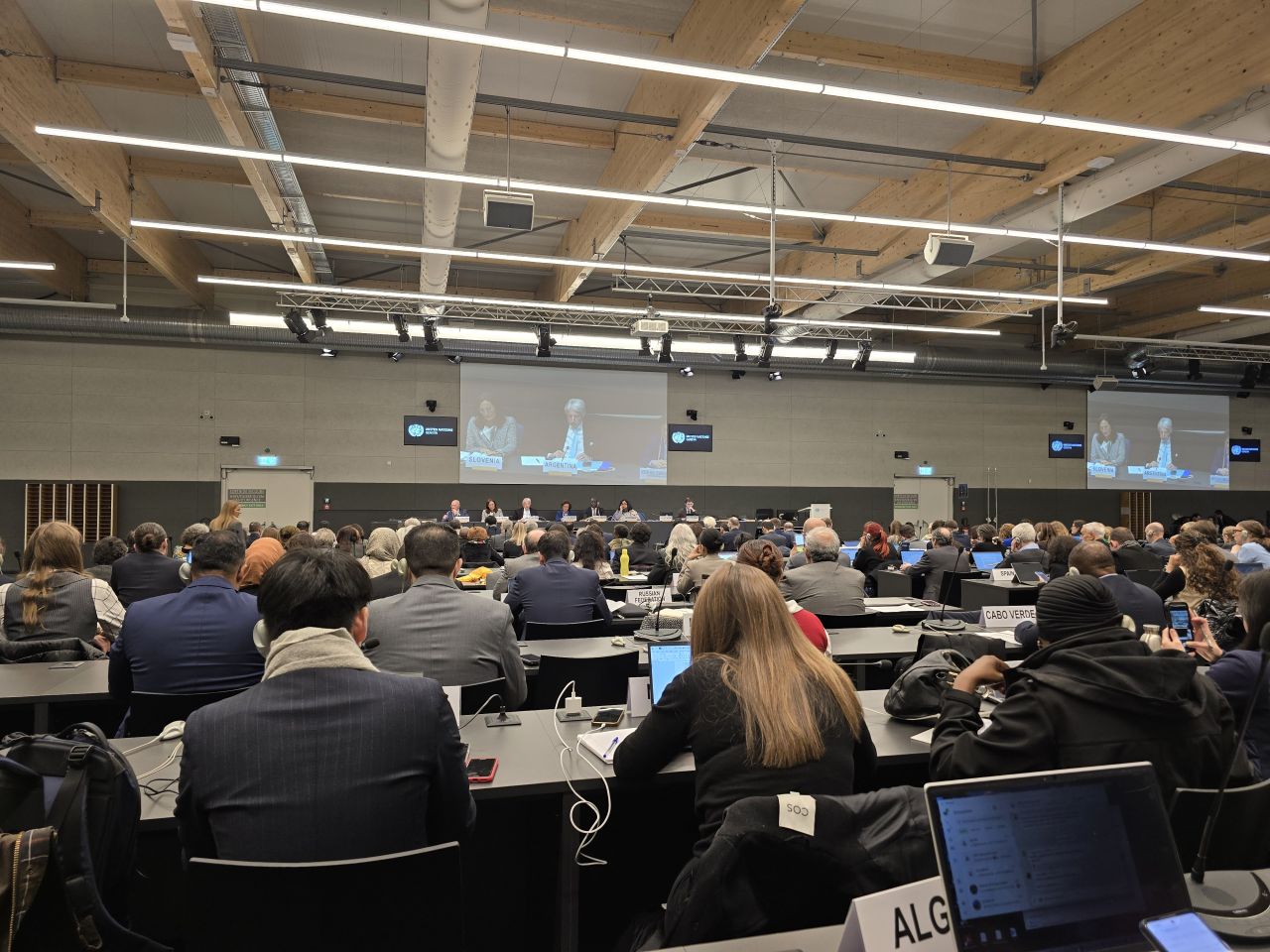
Many Civil Society Organisations (CSOs) were present at the table: they demonstrated strong coordination, amplifying the visibility of older people as self-advocates and ensuring that their voices and perspectives were central to the process. The strong participation of EU Member States, alongside a joint statement delivered by the European Union, further underscored the collective momentum behind this important process.

Objectives of the 1st IGWG – Intergovernmental Working Group on older persons

The 1st Organisational Meeting of the IGWG aimed to discuss how the IGWG will operate – including establishing the rules of work, identifying leadership within the United Nations, setting timelines, and discussing how to actively involve different stakeholders, particularly CSOs and older people themselves. Additionally, Argentinian Ambassador Carlos Mario Foradori was elected Chair of the IGWG. This foundational first meeting laid the groundwork for a collaborative and inclusive process, setting the stage for meaningful engagement across all stakeholders.

"It is clear that civil society provides the engine, the traction, and the steady force that keeps this great machine moving forward. My hope is simple, and I offer it with sincerity. Continue. Persist. Do not surrender the quiet determination that has carried you this far.”
Carlos Mario Foradori
Ambassador Carlos Mario Foradori of Argentina
Chair of the IGWG, during his closing remarks at the end of the session.
"This organisational meeting is a historic milestone, not only for those already in older age, but for every person who aspires to grow old with dignity. The forthcoming legally binding instrument is our collective opportunity to transform the world into one where we can age with rights and free from discrimination.”
BAGSO - German National Association of Senior Citizens' Organisations
AGE Member

AGE – alongside many other civil society organisations, actively contributed to the discussions. During the IGWG discussions, participants – including many Member States – reiterated the crucial role of CSOs representative of older people in the process. They also called for formal consultation mechanisms and emphasised the importance of capturing the diversity of older people, showcasing a strong political will to ensure older persons remain at the centre of every step of the process.  

“It is also of crucial importance to ensure meaningful participation by civil society organisations, representatives of older persons, including older persons with disabilities and those facing intersecting vulnerabilities, and older persons from all regions throughout the process. We have often heard and should heed their request “Nothing about us without us” and foresee arrangements that enable proper stakeholder consultations and draw input from diverse voices from around the world.”
Statement of the Permanent Delegation of the European Union

Several practical steps were proposed by different stakeholders – including CSOs and National Human Rights Institutions (NHRIs) – to strengthen participation throughout the drafting process, including guaranteeing older persons’ representation across panels, consultations, and drafting spaces; enabling hybrid participation in the IGWG; accessible working methods; and applying an intersectional approach that reflects the diversity of older people. Although, next steps and concrete engagement processes are yet to be defined, echoeing these recommendations at this early stage demonstrated a shared commitment to placing older people and CSOs at the centre of shaping a UN Convention.  

Engagement and mobilisation of AGE Platform Europe in the IGWG –Intergovernmental Working Group on older persons

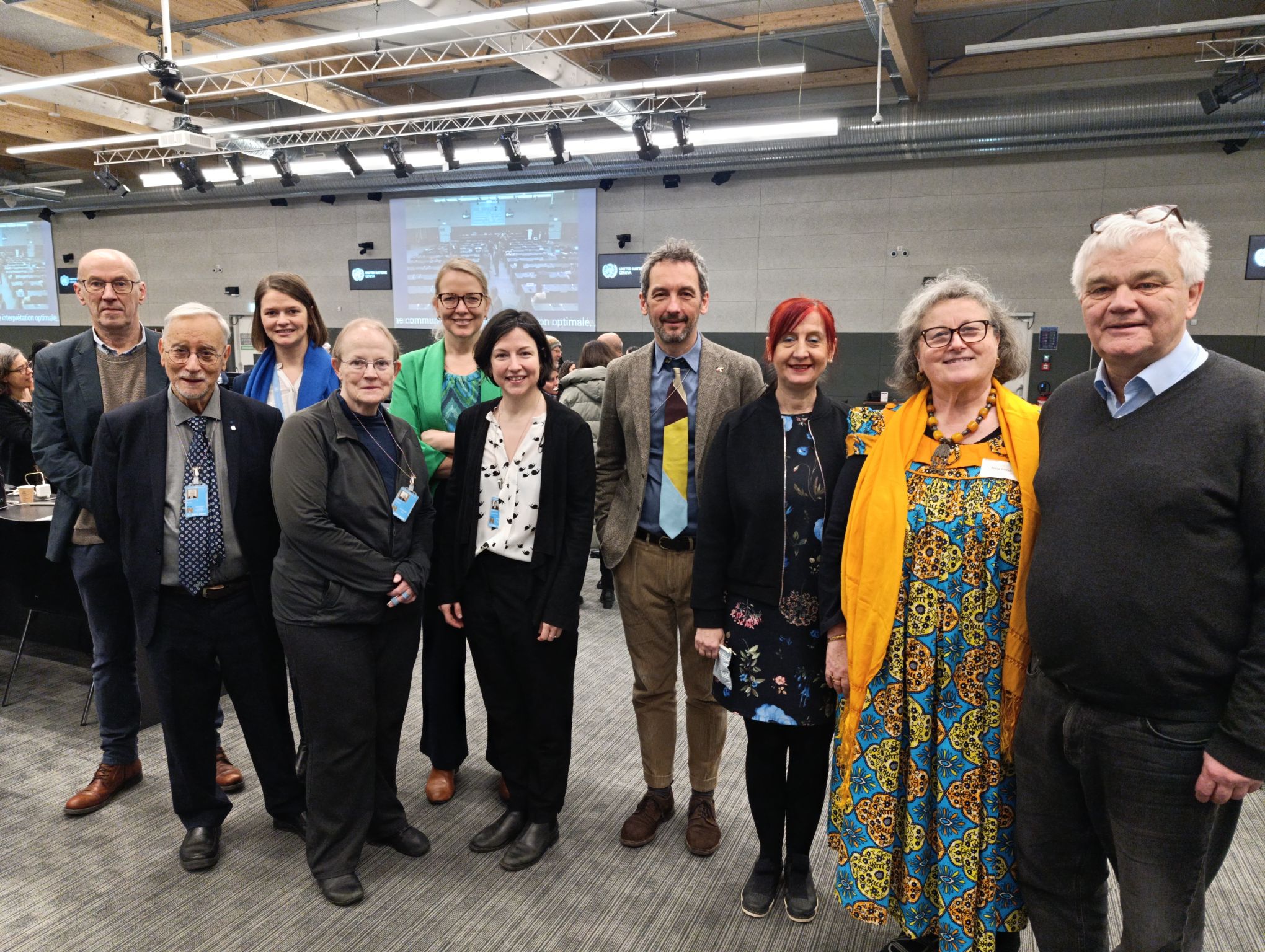
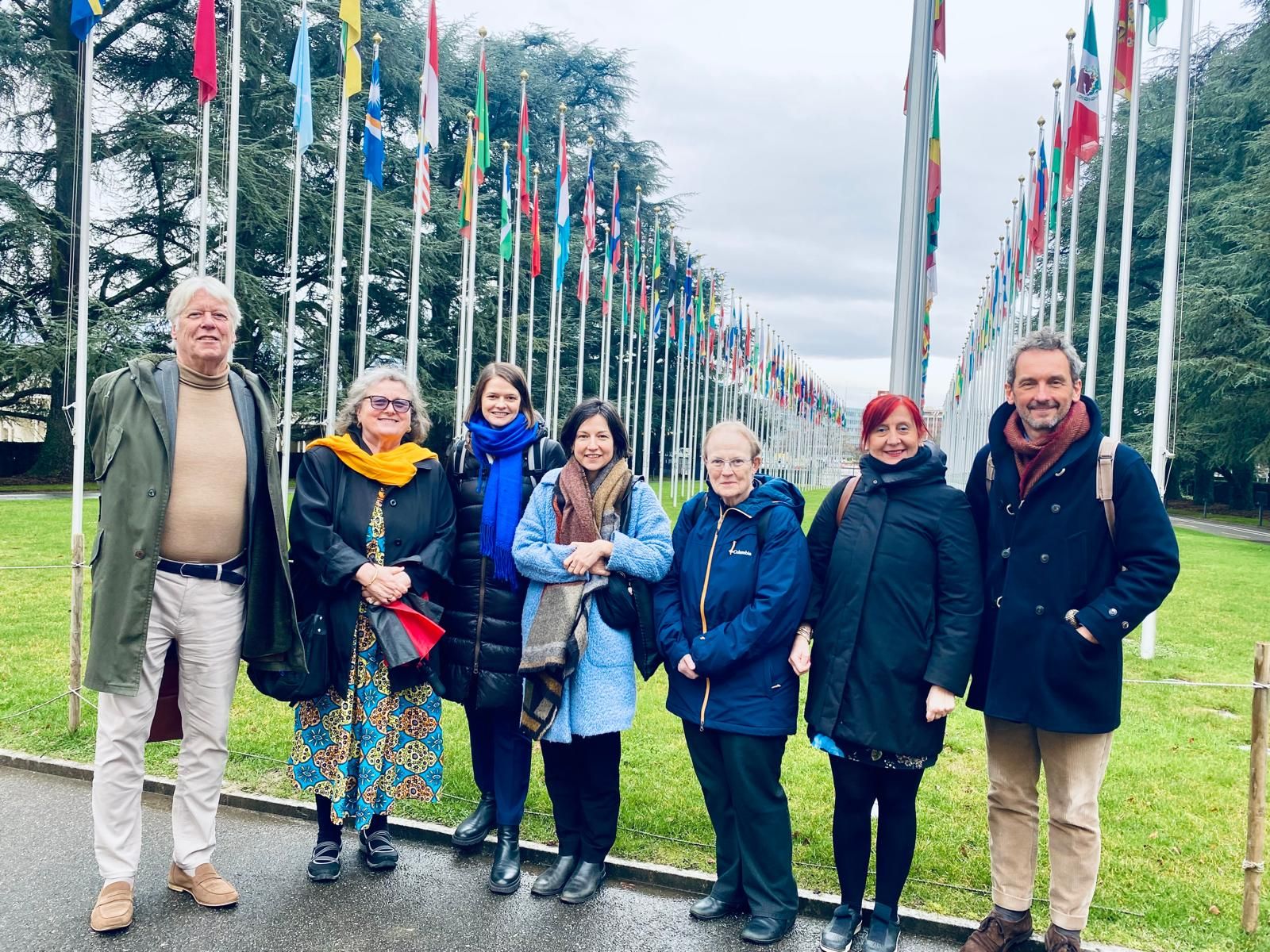
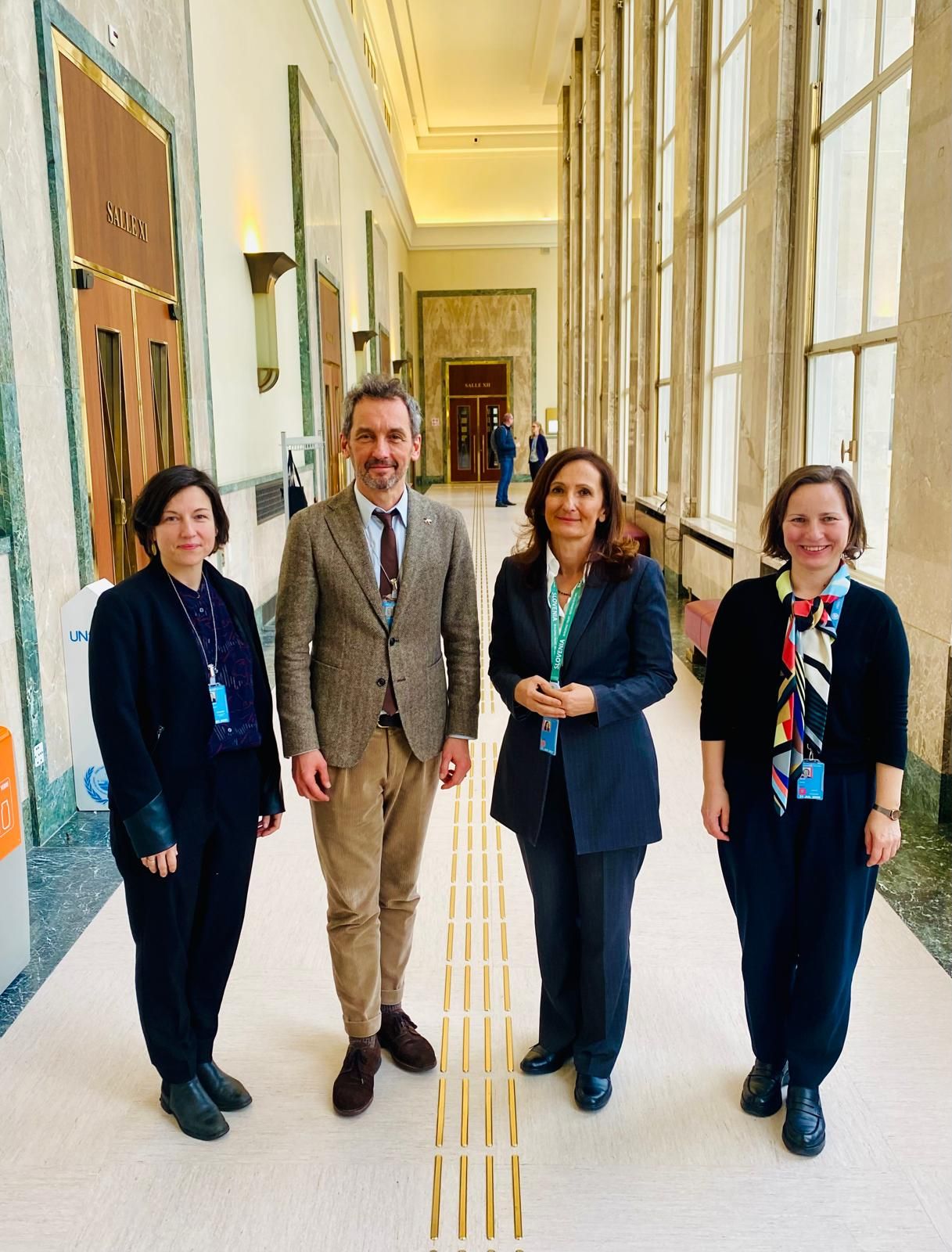
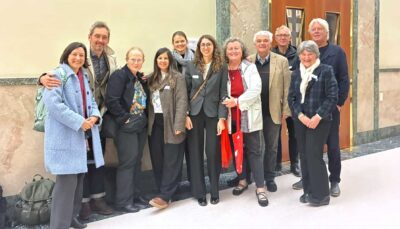
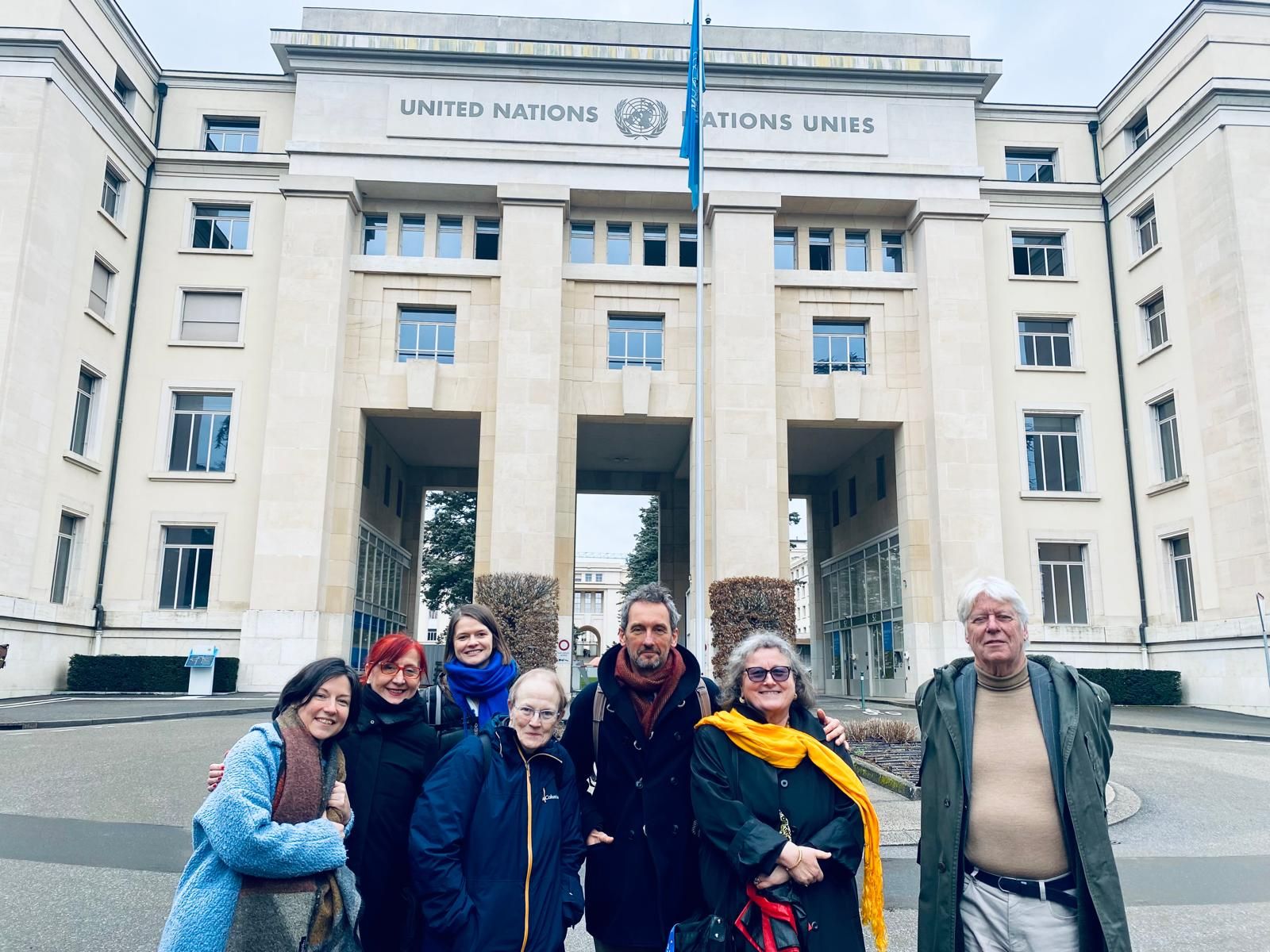
The AGE Secretariat, together with eight AGE members, participated in the 1st Organisational Meeting of the IGWG. The strong presence of AGE members demonstrated the high level of mobilisation of CSOs representing older people across Europe.

“Let us use these negotiations as an example of cooperation between civil society and politics. Civil society, organized citizens, are a driving force in politics and for common interests. Let us, older citizens, participate, through our organizations, in discussions and decisions about our rights.”
European Senior Organisation (ESO)
AGE member
Prior to the session, AGE prepared key messages emphasising CSOs involvement and the importance of focusing on the conceptual foundations, guiding principles, and scope of a future Convention, building on existing work. These messages were shared with our members and other key stakeholders ahead of the session.  

To coordinate AGE’s engagement in the UN Convention process, an Ad Hoc Task Force (TF) was established, composed of 25 AGE members across different European countries. The TF plays a strategic role, while all AGE members will contribute to the process. One of the current priorities of the Ad Hoc TF is to ensure national mobilisation, as well as the active engagement of the European Union.  

“This Convention should not only remedy existing violations but also transform social structures and attitudes. It represents a historic opportunity to adapt international human rights law to the realities of longer lives and to secure dignity, equality, and full participation for older persons worldwide.”
HelpAge Deutschland
HelpAge Deutschland
AGE member

Strong Engagement of the European Union 

CSOs welcomed the participation of Member States during the session. At least 19 European Member States were present, many of them delivering speeches that echoed messages from CSOs – a level of engagement never seen in previous Open-Ended Working Groups (OEWG) sessions. This unprecedented turnout not only demonstrated political will but also reflected high levels of interest to actively contribute to the forthcoming negotiations.  

Next Steps 

Looking ahead, a call for written input will open, asking all stakeholders to submit views on the general framework, architecture, and guiding principles of the Convention. This consultation is expected to inform a guiding document ahead of the second session of the IGWG that will take place from 13 to 19 July.  

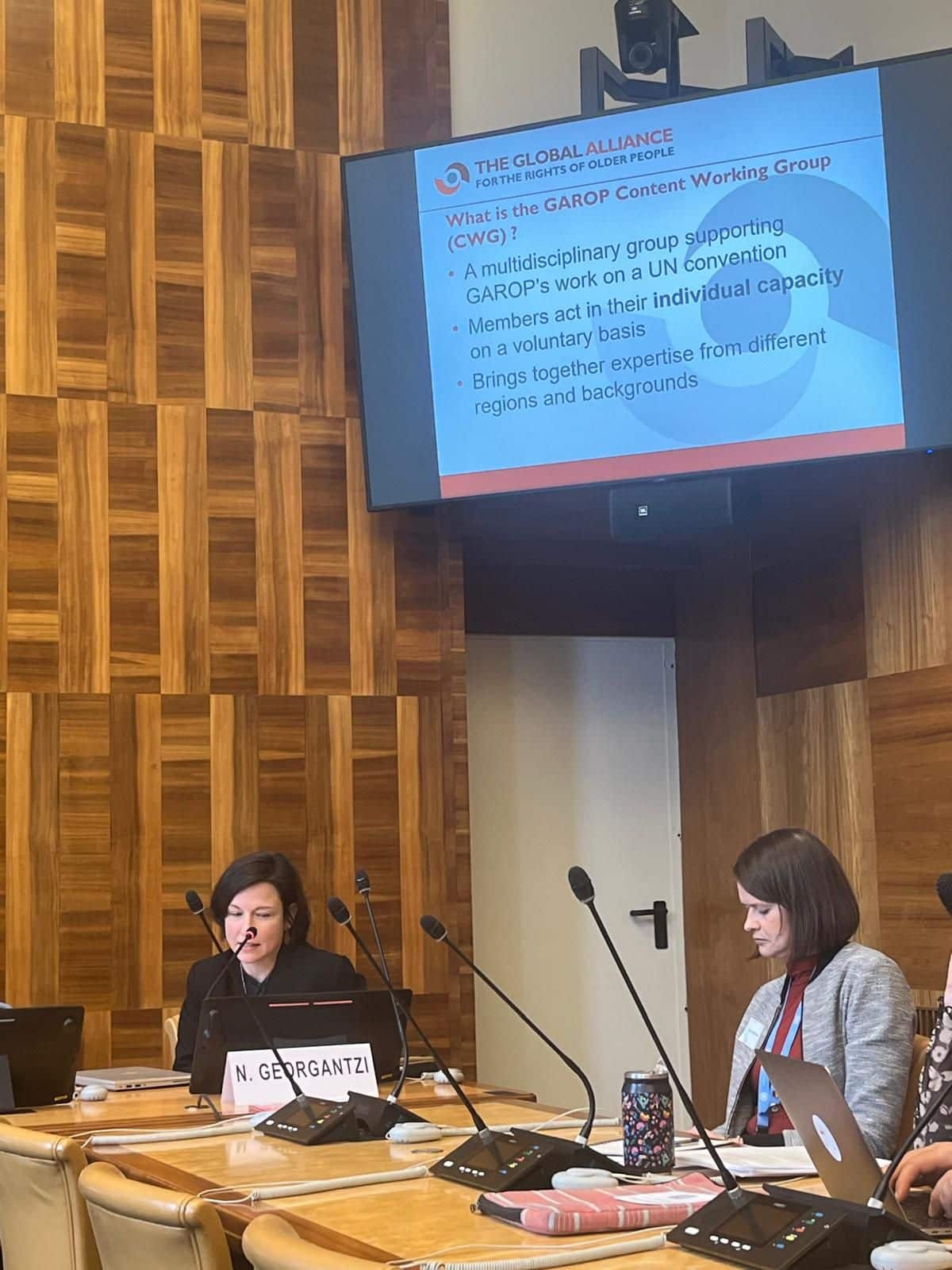
The Global Alliance for the Rights of Older People (GAROP), of which AGE is a founding member, published a discussion paper titled “Conceptual Framework, Underlying Principles and Possible Scope of a New Legally Binding Instrument on the Human Rights of Older Persons”, providing a valuable resource for those contributing to the upcoming call for input and the next steps of the Convention.  

Finally, our Annual Conference will focus on the UN Convention, providing another space for older persons and our allies to engage directly. More information will follow very soon, including a registration link – stay tuned by subscribing to our Newsletter.  

The first meeting of the IGWG marks an important step towards a UN Convention on the Rights of Older Persons. With the continued active engagement of older people and their representative CSOs, the process is more likely to achieve meaningful and lasting impact. AGE and our members will continue to play a central role, helping to shape a Convention that is firmly grounded in the lived experiences and diverse realities of older persons around the world, ensuring it is not only legally robust, but inclusive, and truly reflective of the people in older age.  

Historical Context 

The mobilisation of older persons in advocating for a UN Convention on the Rights of Older Persons has been ongoing for years, notably with the OEWG, established in 2010 by the UN General Assembly through Resolution 65/182. It discussed ways to strengthen the protection of the human rights of older persons. On 3 April 2025, the UN Human Rights Council adopted the Resolution A/HRC/RES/58/13 establishing an Intergovernmental Working Group to prepare a draft UN Convention on the human rights of older persons. This milestone celebrates years of advocacy dedication and opens an exciting opportunity to design a legally binding instrument that will shape the lives of older people today and generations to come.  

Gallery

Contact

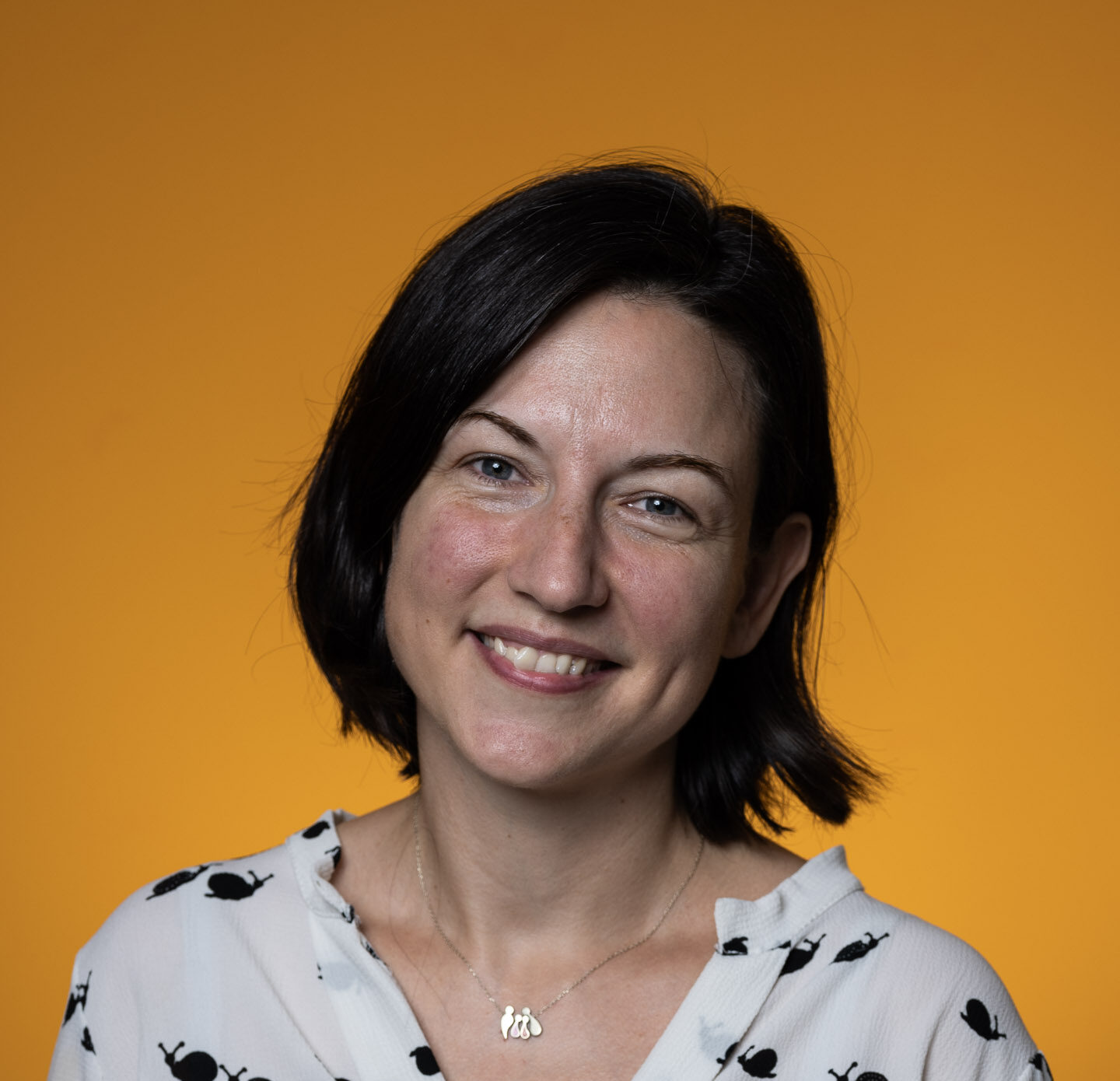
Nena Georgantzi

Head of Advocacy

apolline


Apolline Parel

Human Rights and Project Officer

Related news

Skip to content