
The Intimacy in Later Life through Participatory and Arts-Based Learning project has just wrapped up an important phase: listening to older people themselves and bringing partners together across borders to start shaping a new pilot course.
Involving older people from the start
The project began by talking to older adults directly, holding conversations in the Netherlands, Belgium and Poland. People shared their own experiences, questions and hopes around intimacy in later life. Alongside this, AGE reached out to its network across Europe through a survey, gathering perspectives from 22 people in 14 different countries. These conversations gave the project a real foundation to build on, helping the team understand what mattered most to older people and where the gaps tend to be.
What makes this project different is how it’s being built. Rather than designing a course and then testing it on people, the team is working the other way round: older adults are involved right from the start, not just as participants who’ll eventually take the course, but as genuine partners helping to shape its content and approach.
Bringing partners together across countries
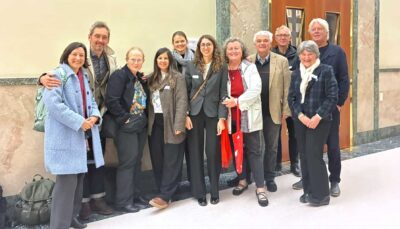
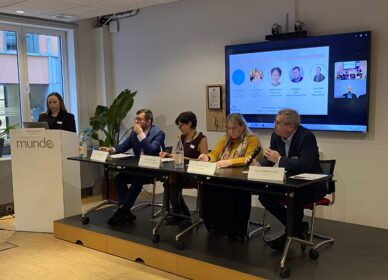
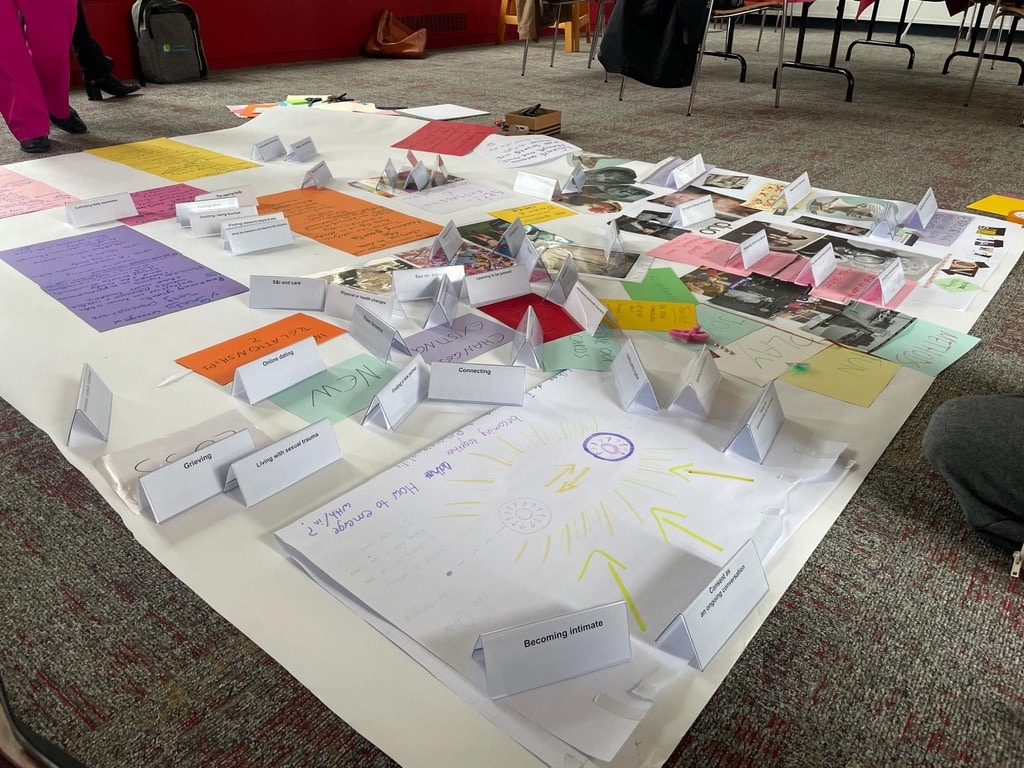
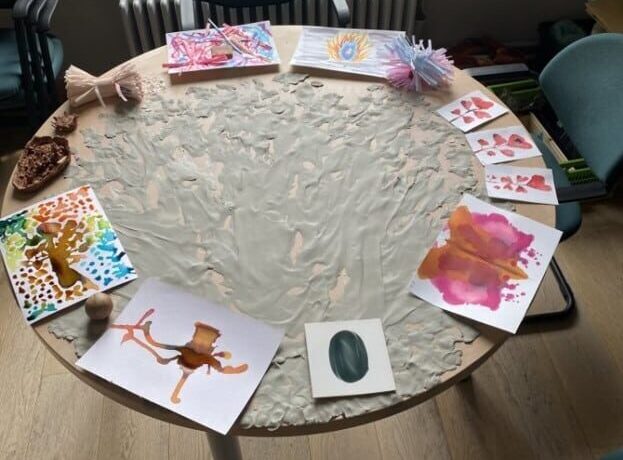
With that input in hand, the project team held three working sessions in different cities, each with its own focus. In Leiden, the Netherlands, the first session turned everything learned from the consultations into early ideas for what the course should actually cover. Next, in Ghent, Belgium, the group turned its attention to how the course should be taught, exploring creative, participatory ways of learning rather than traditional lecture-style teaching. Finally, in Krakow, Poland, the focus shifted to practical questions: how the course should be delivered in each country, taking into account local needs and differences.
What comes next
All of this – the early conversations and the ideas developed in the workshops – will now come together into a first draft of the course, tailored to each participating country. Before it’s finalised, older people and adult educators will be asked once more for their feedback, to make sure the course truly speaks to what older learners need and want.