On 22 October 2026, AGE Platform Europe and partners of the PROMISE project brought together about 100 policymakers, social partners, researchers and trade union representatives from 38 countries in Brussels and online to discuss how Europe can better respond to workforce ageing in the manufacturing sector. The conference, Age Management in Manufacturing: Trade Union Strategies across Europe and Beyond, highlighted both the challenges posed by demographic change and the opportunities to create more sustainable, age-inclusive workplaces through social dialogue and collective bargaining.
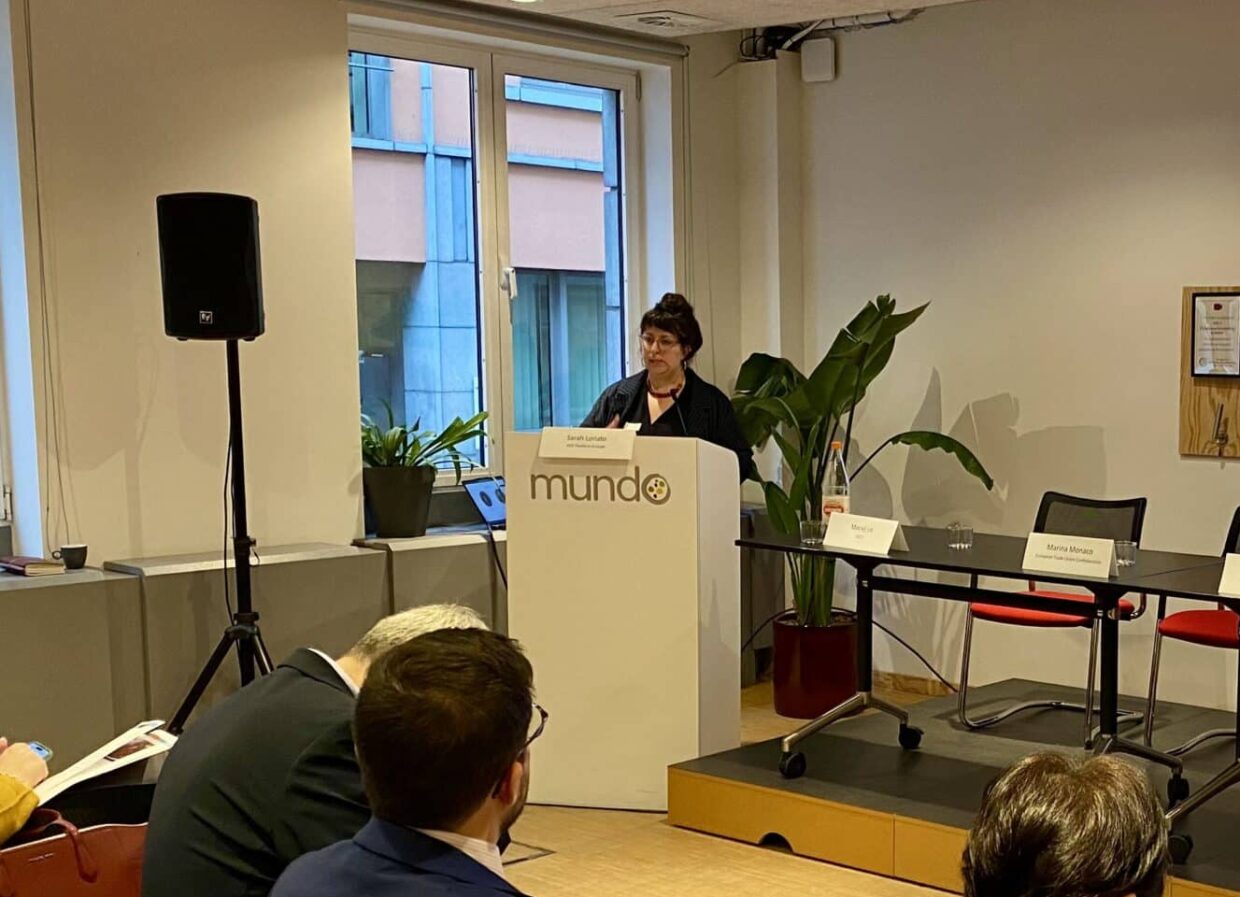
Opening the event, Sarah Loriato, Policy Manager at AGE Platform Europe, stressed that population ageing, labour shortages, digitalisation and the green transition are profoundly reshaping Europe’s labour market.
Drawing on the AGE Barometers on employment, she underlined the persistence of age discrimination and the need for workplaces that support workers throughout their entire careers.
This life-course perspective was a recurring theme throughout the conference.
“If Europe wants to respond effectively to demographic change, we need employment policies that adopt a life-course approach, tackle ageism, invest in skills throughout life, support healthy working environments, and create opportunities for workers of all ages.” Sarah Loriato
The event also showcased the work of the PROMISE project (Promoting Age Management Policies in Eastern European Countries Through Industrial Relations), scientifically coordinated by Margherita Roiatti, Fondazione ADAPT.
The project aims to strengthen the capacity of trade unions and workers’ representatives to address workforce ageing in the manufacturing and metalworking sectors through research, training, social dialogue and collective bargaining.
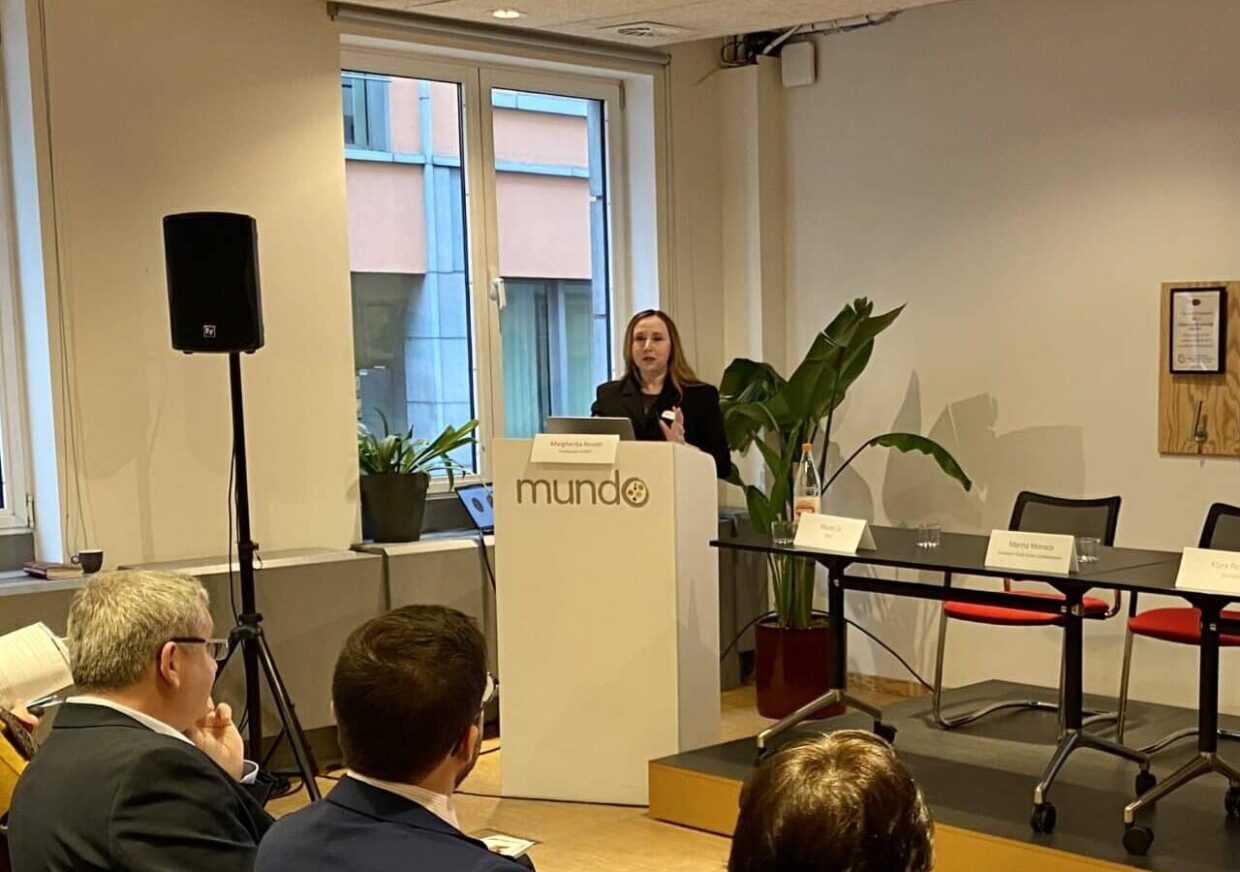
Mainstreaming age into employment policies
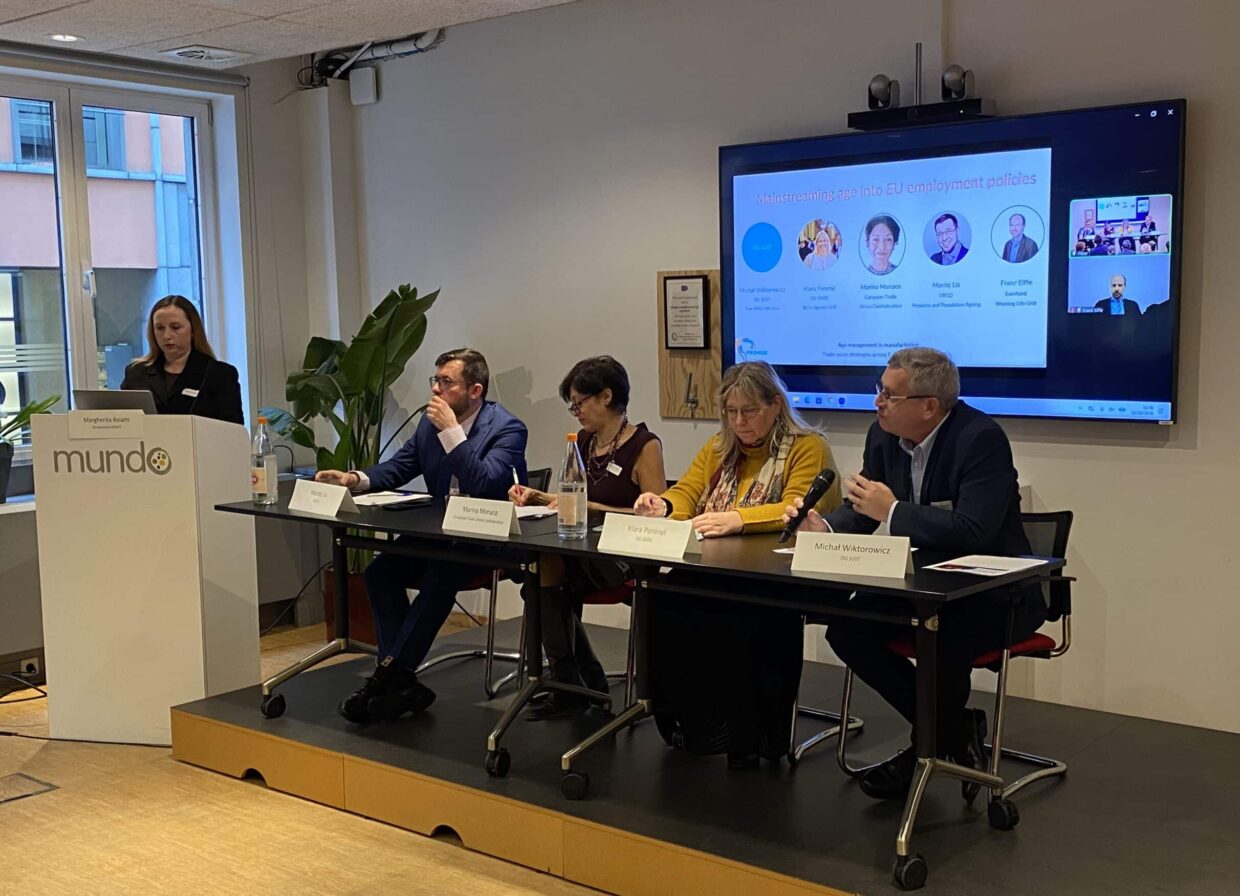
The first panel brought together representatives from the European Commission, OECD, Eurofound and the European Trade Union Confederation (ETUC) to discuss how age can be better integrated into employment policies across Europe.
A key message was that policymakers need to ensure that workers can remain active and productive throughout their working lives. Speakers highlighted persistent age discrimination, unequal access to training, and the importance of preventive approaches to health and safety at work.
Franz Eiffe from Eurofound reflected on the need to shift the focus away from workers themselves and towards workplace practices.
“The issue is not that workers are ageing; the issue is that many workplaces have not yet adapted to an ageing workforce.” Franz Eiffe
The discussion also underscored the importance of lifelong learning, particularly as technological change accelerates and skills needs evolve. Participants agreed that tackling ageism requires action from governments, employers, trade unions and workers alike, while access to training and skills development throughout working life remains essential to supporting employability and longer, healthier careers.
Turning policy into practice through social dialogue
The second session focused on how policy principles can be translated into concrete workplace measures. Sem Vandekerckhove, HIVA-KU Leuven, introduced the PROMISE Dashboard, which provides comparative data on employment trends by age, sector and gender across the countries participating in the project.
Representatives from trade unions and employers’ organisations then shared practical examples of age management measures negotiated through collective bargaining.
These included flexible working arrangements, reduced working hours for shift workers, additional leave entitlements, family-care support, mentoring schemes, remote work opportunities and initiatives promoting intergenerational knowledge transfer.
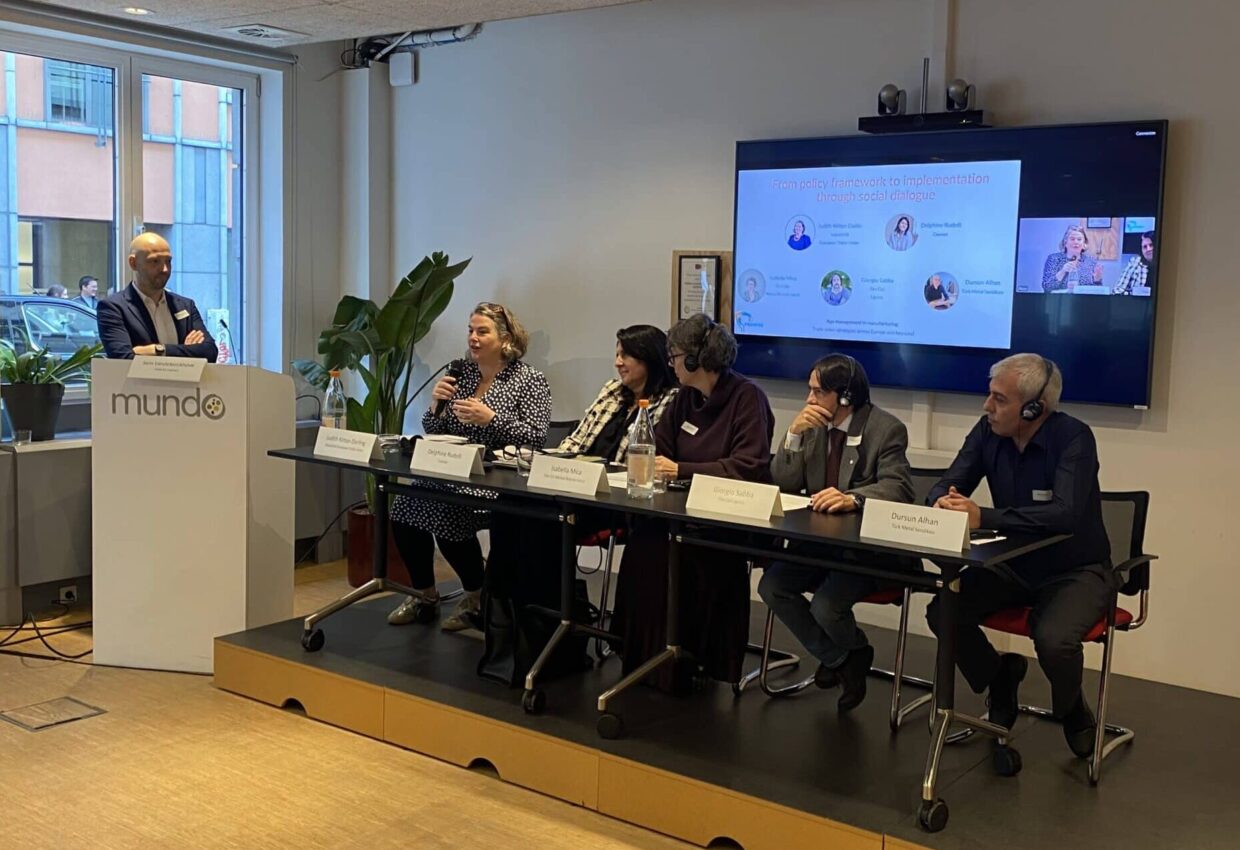
A common conclusion emerged: successful age management depends on strong social dialogue and workplace solutions tailored to workers’ needs throughout their careers. As speakers noted, retaining experienced workers benefits not only individuals but also employers facing skills shortages and demographic pressures.
A shared responsibility
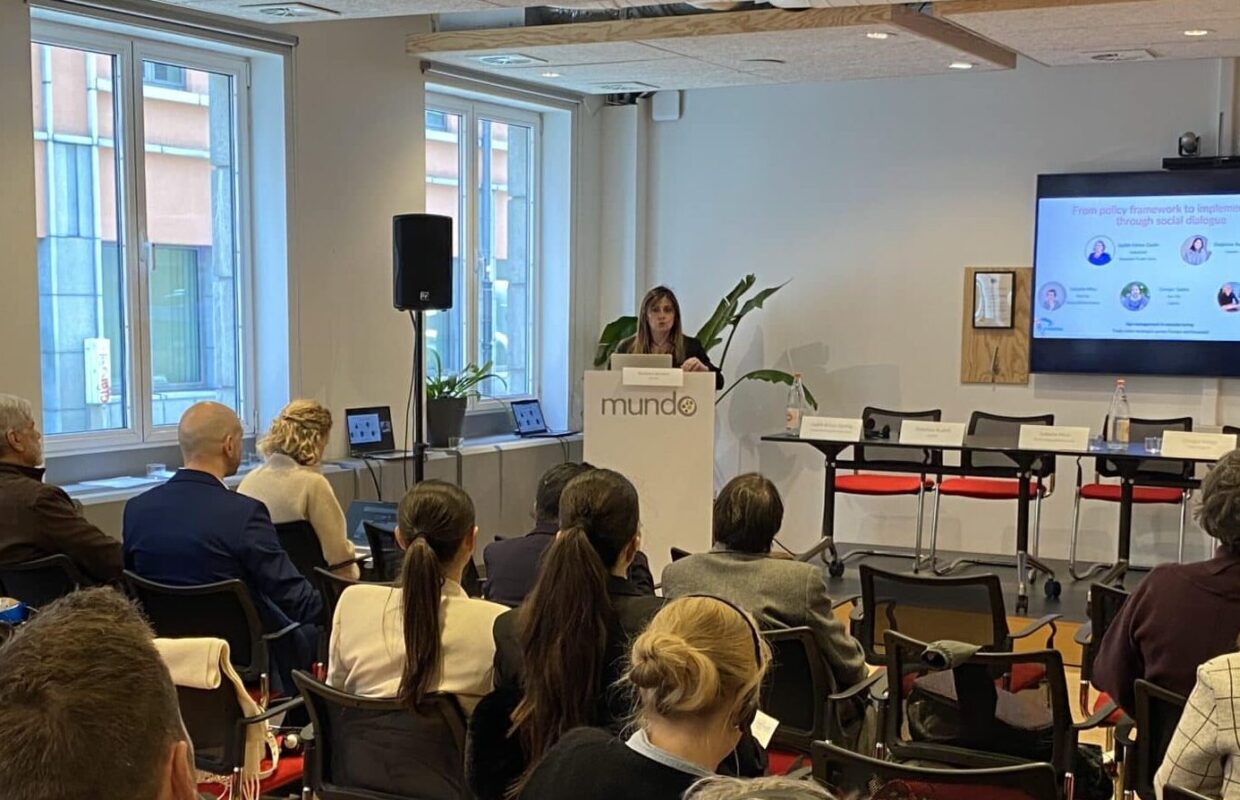
Concluding the event, Barbara Arsieni, FIM CISL underlined the urgency of responding to demographic change through coordinated action in employment, health and social protection policies.
She emphasised the vital role of trade unions, evidence-based policymaking and collective bargaining in shaping age-inclusive labour markets.
Further resources
- PROMISE publications page gathers the project’s findings and recommendations, including the leaflets on the application of the PROMISE dashboard
- PROMISE Interactive Dashboard: explore trends and differences in sectoral employment figures coming from International Labour Organisation data; the page also includes an explanatory video with multilingual subtitles, showing how to use the dashboard
- AGE Barometers on employment