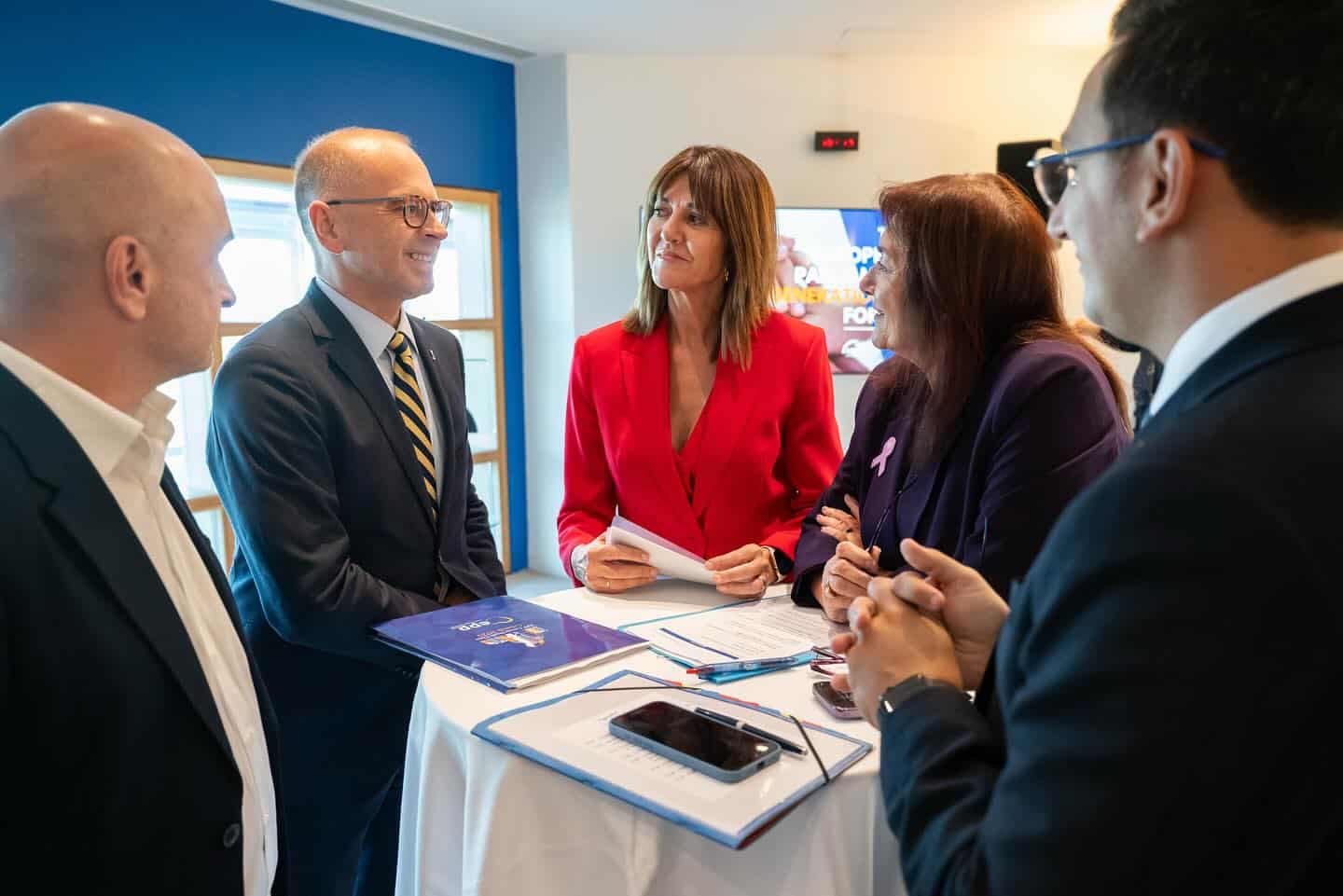
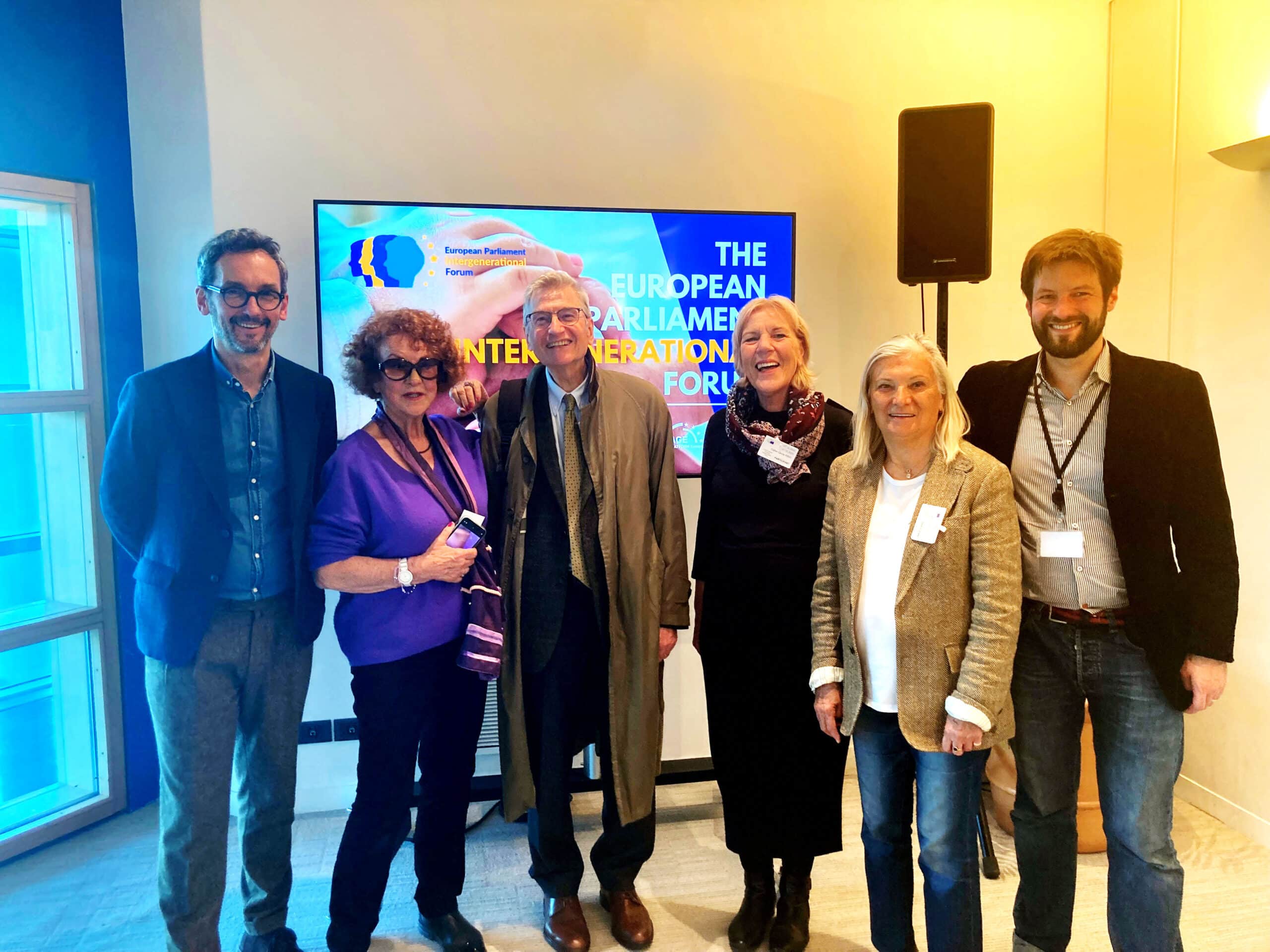
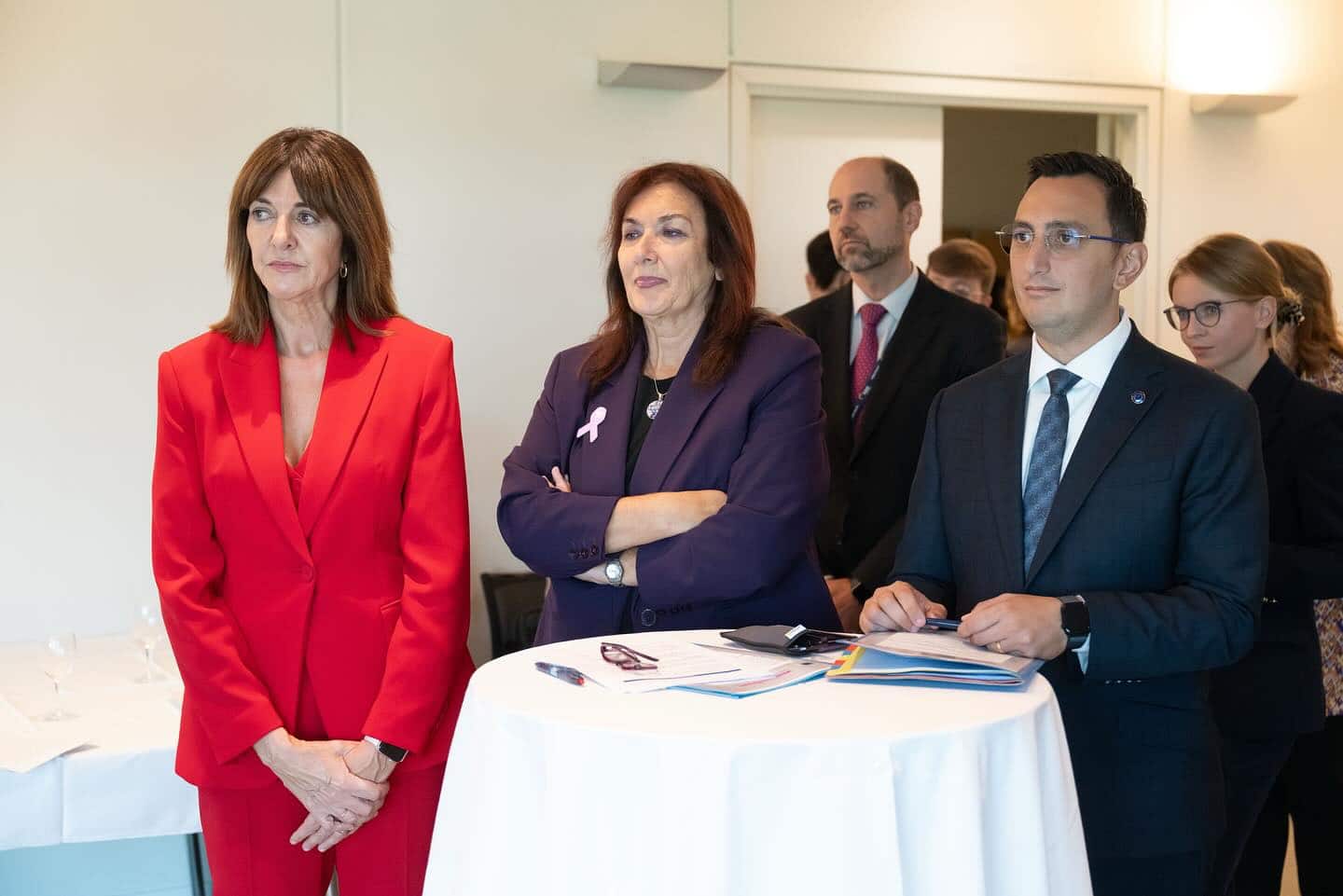
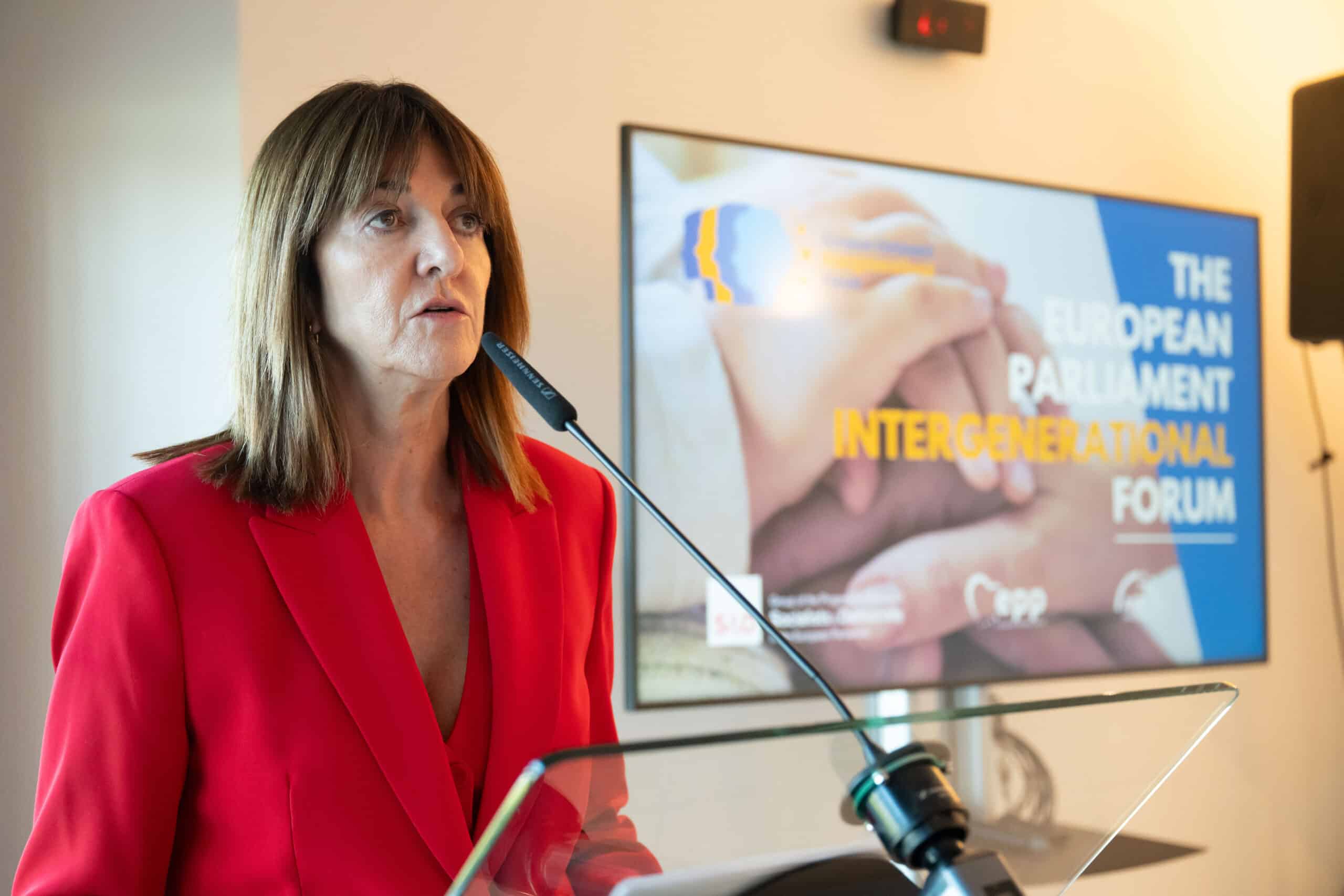
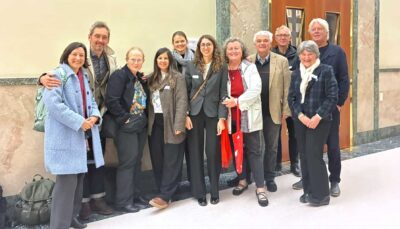
On October 6th 2025, the European Parliament’s Plenary assembly debated, for the first time, the situation of older persons and intergenerational fairness, thanks to an initiative by Ms Idoia Mendia (S&D, Spain), Member of the European Parliament and co-chair of the recently launched European Parliament Intergenerational Forum.
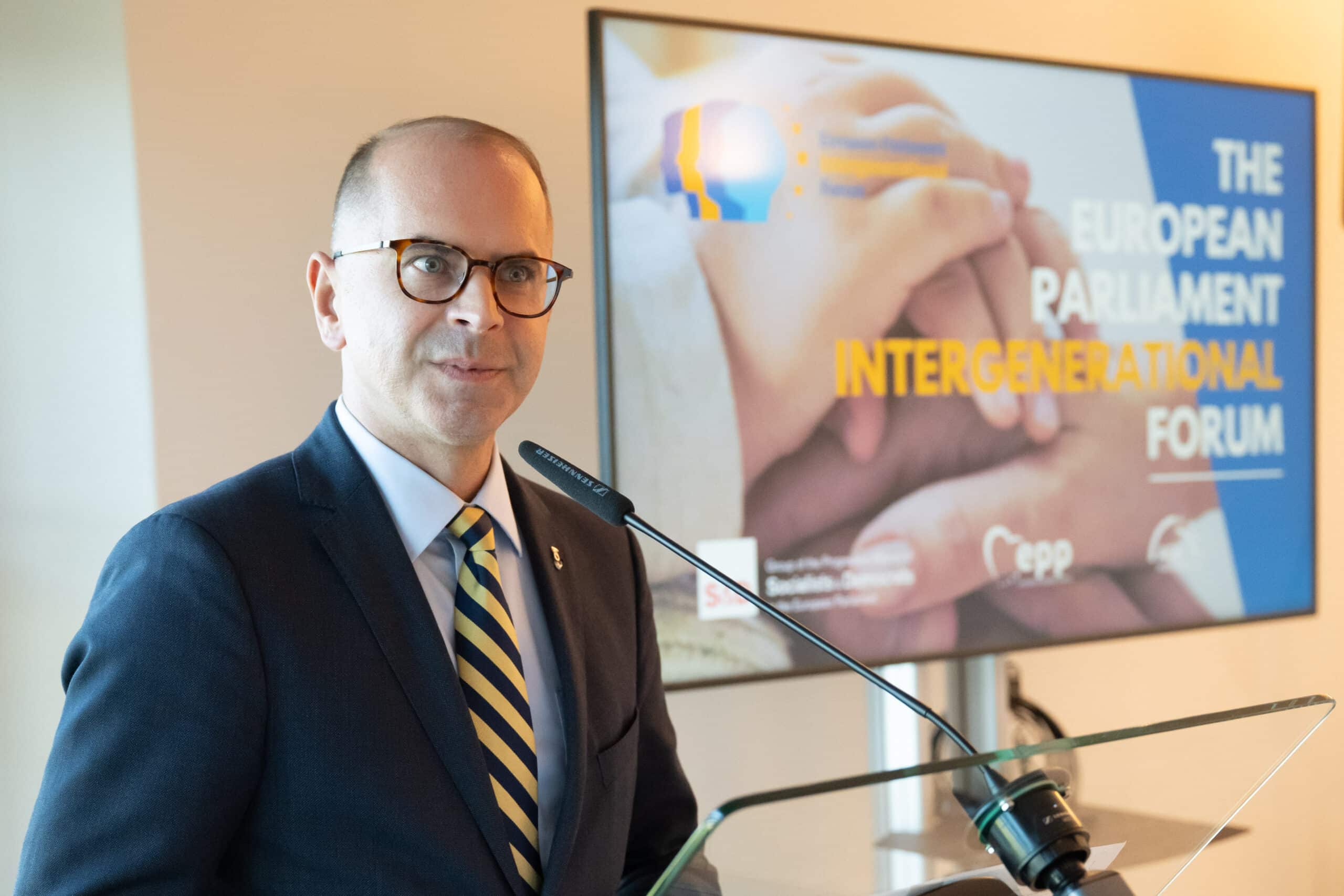
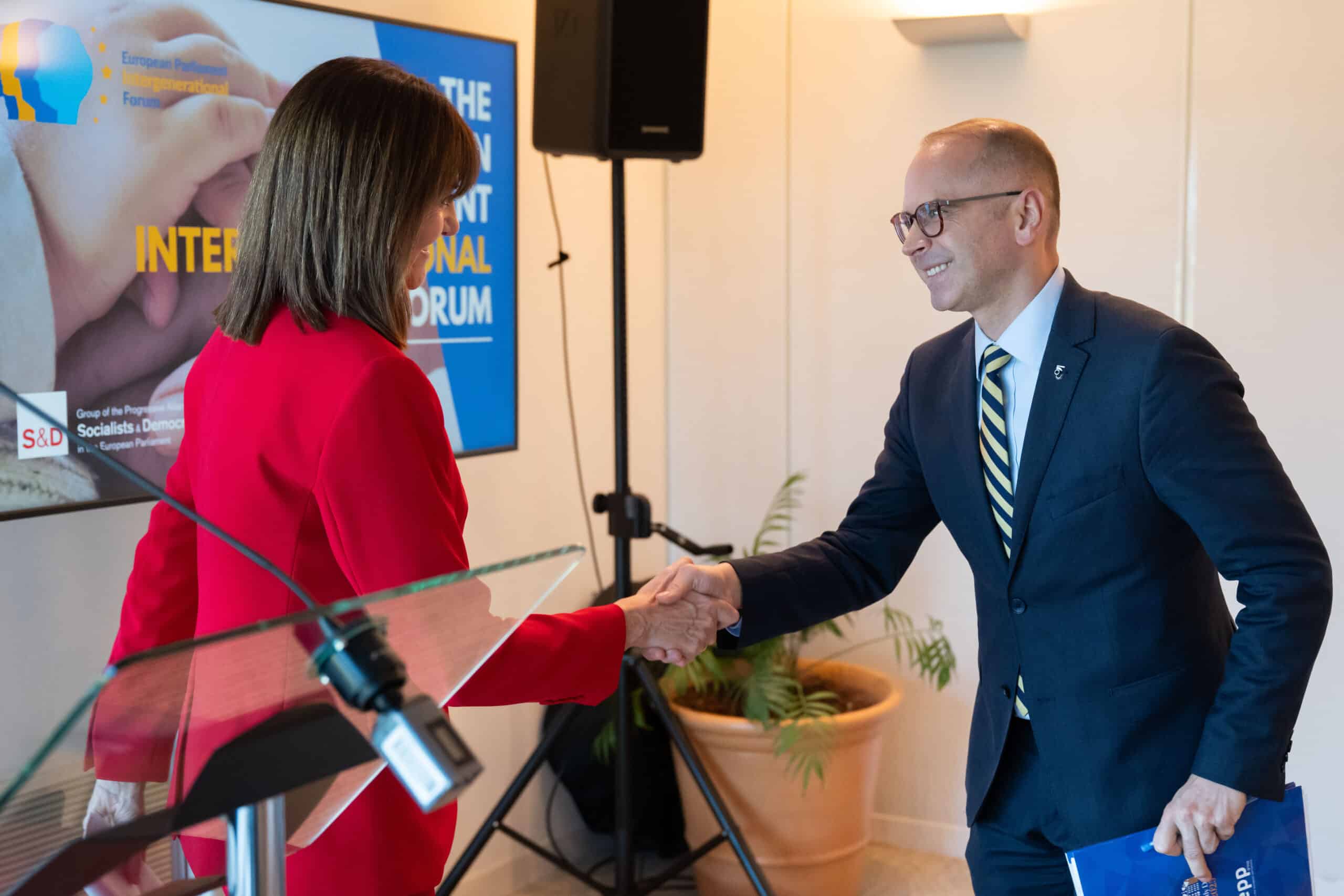
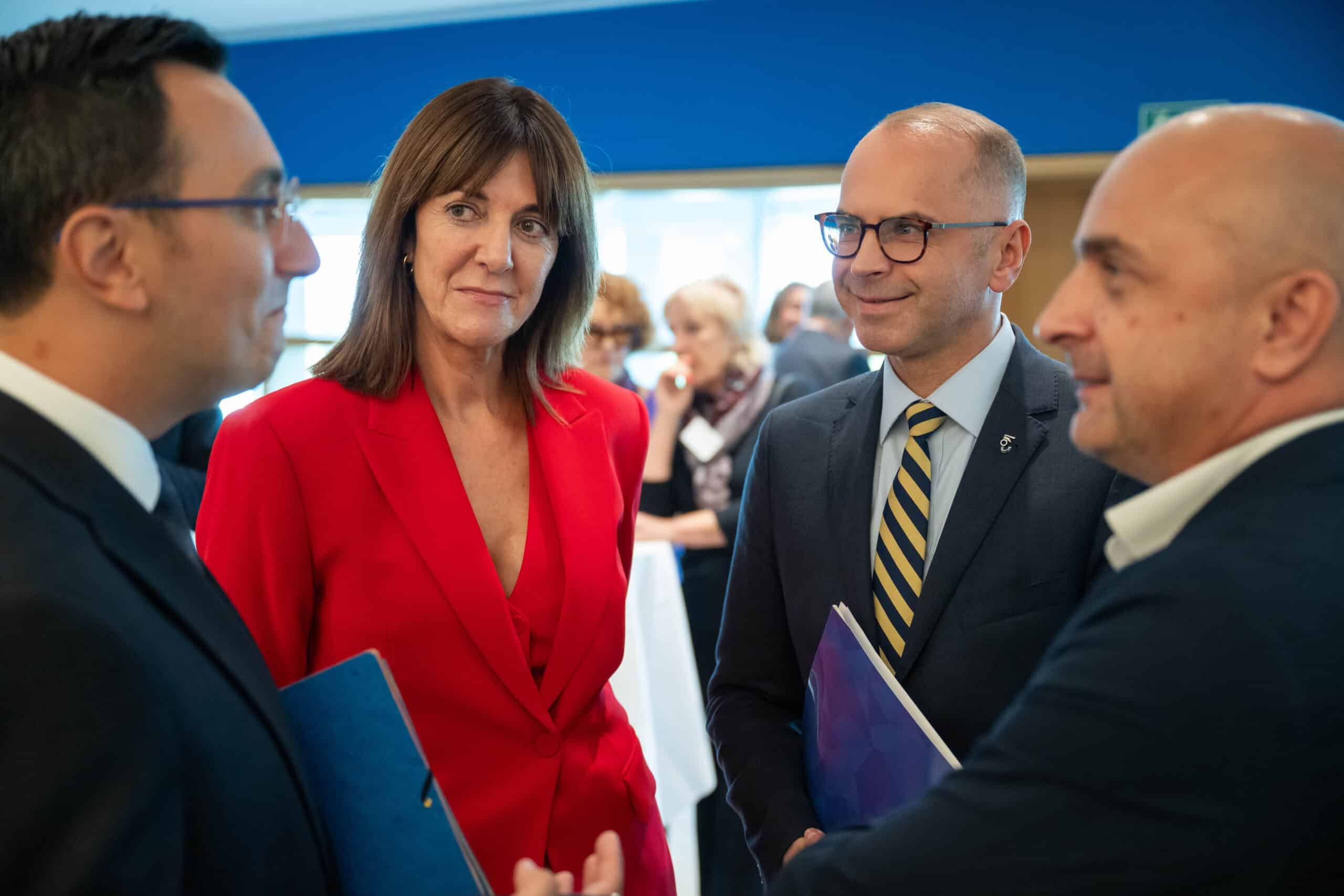
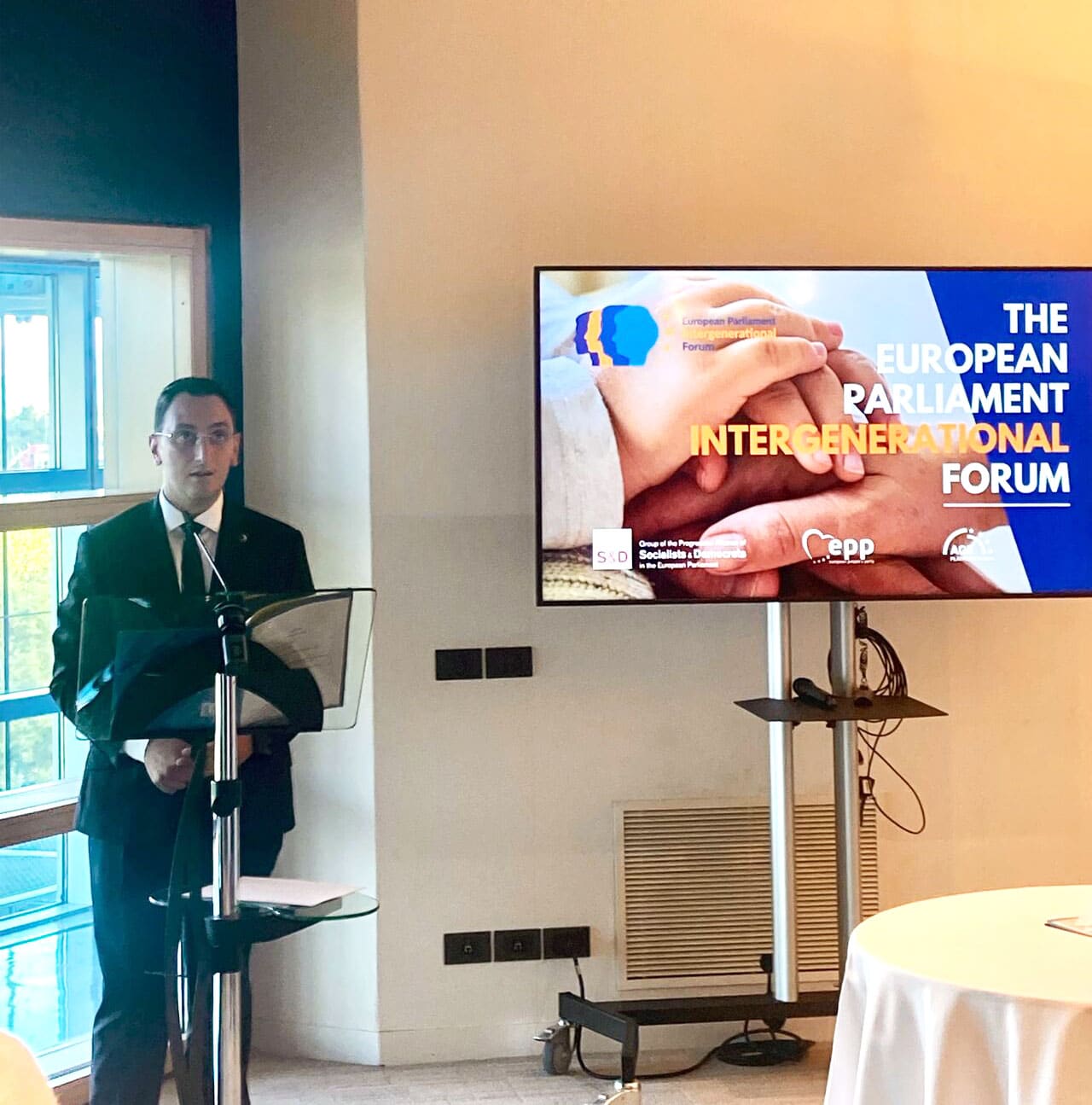
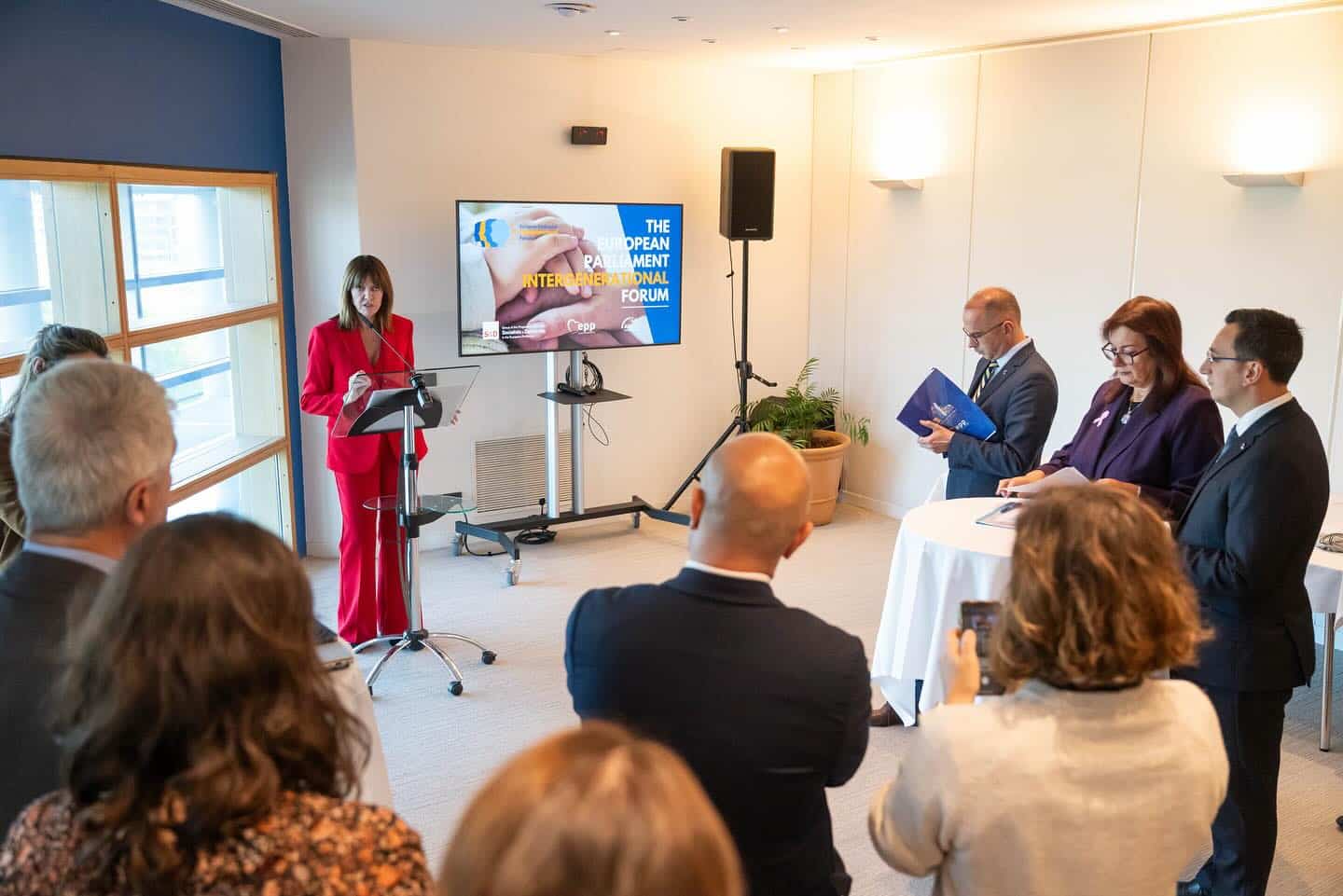
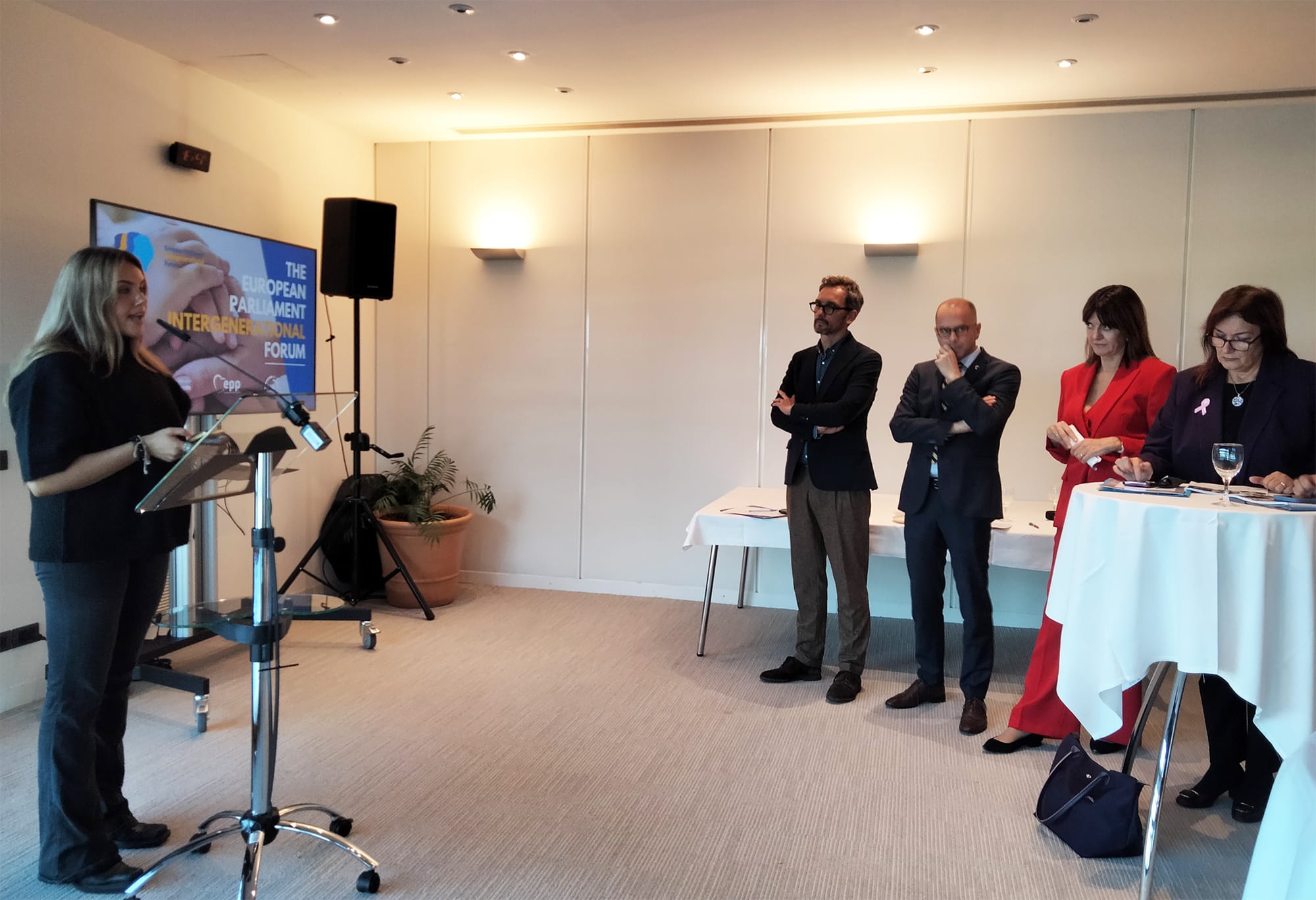
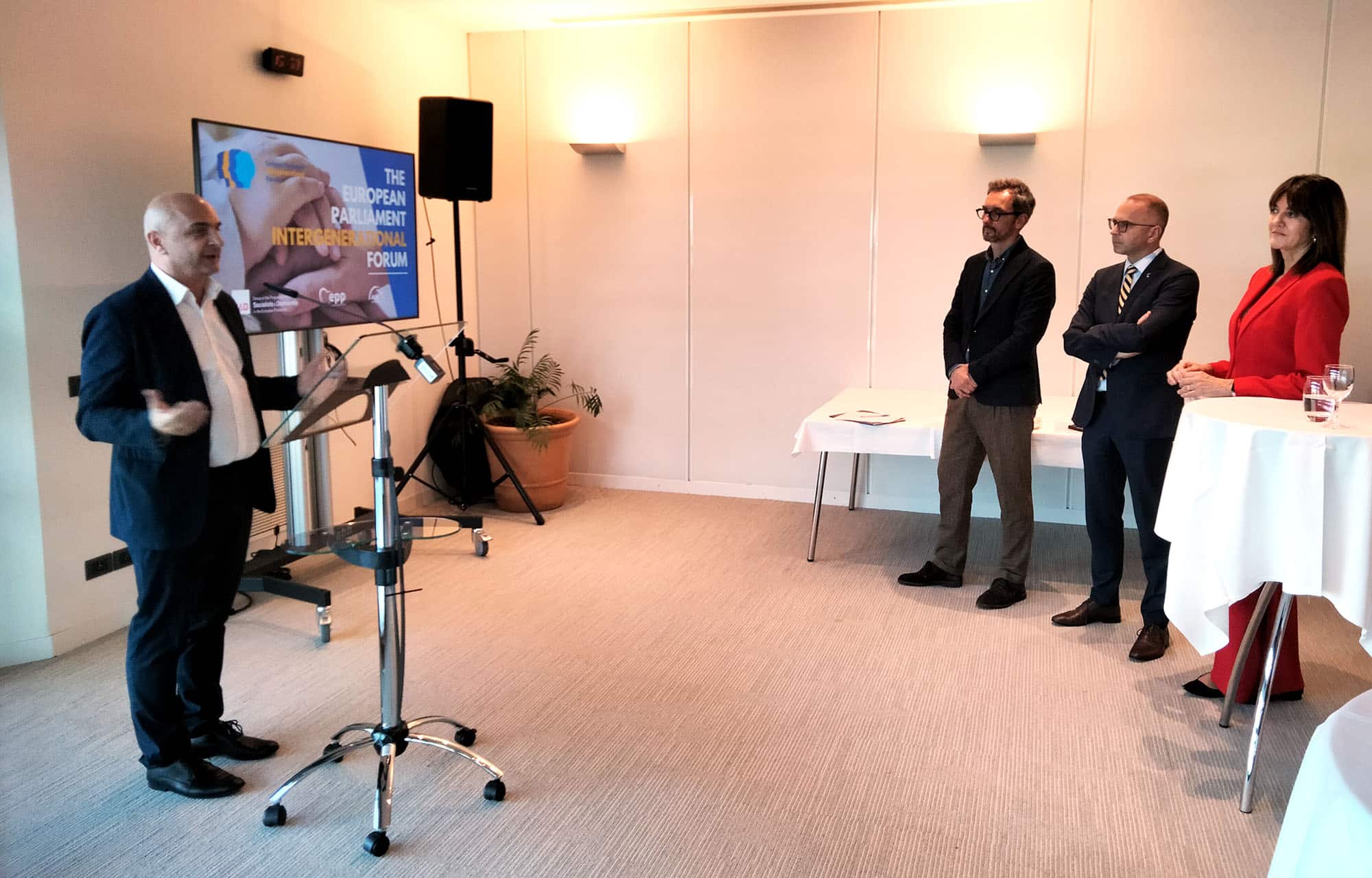
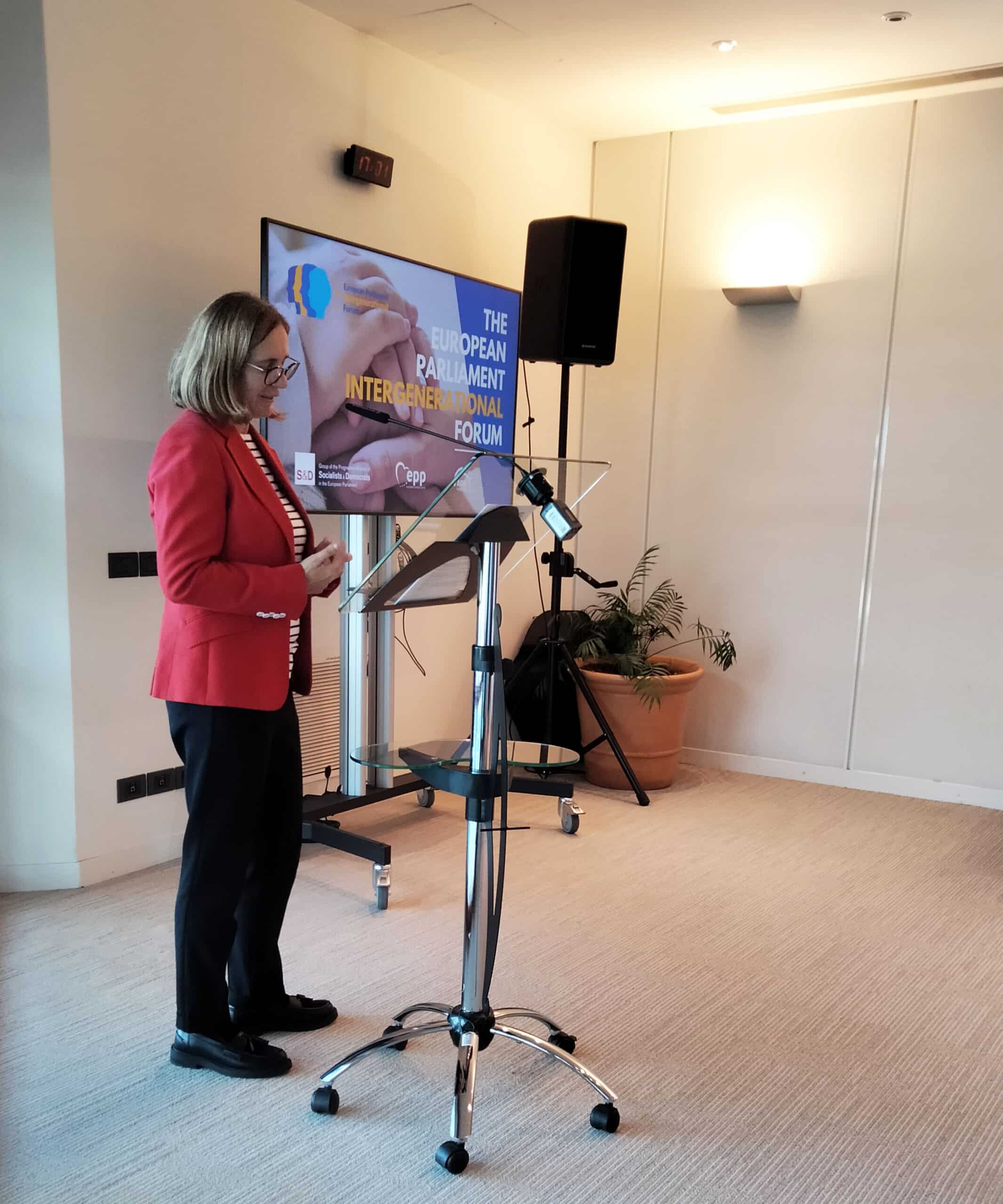
The following day, Members of the European Parliament, Idoia Mendia and Michal Szczbera, launched the European Parliament Intergenerational Forum as a place to debate and find solutions to transform the challenges linked to demographic changes into an opportunity for inclusive and participative societies.
What is the Intergenerational Forum?
It is a forum for all democratic, pro-European parties in the European Parliament to address ageing, longevity, healthy ageing, older persons’ rights, social inclusion, and intergenerational solidarity, with the participation of AGE Platform Europe.
The group includes around 35 Members of the European Parliament and welcomes new members.
First Plenary debate on International Day of Older Persons
Key takeaways
Commissioner for Intergenerational Fairness
Mr Glenn Micallef
Mr Micallef, presented his plans for a Strategy on Intergenerational Fairness. He underlined the need to place age equality at the centre of our policies, noting that almost half of Europeans believe age discrimination is widespread.
He emphasised that we should challenge the assumption that older people care only about pensions, while younger people are concerned solely with climate change. Initiatives such as AGE member Grandparents for Climate prove the opposite, showing that it is possible to look beyond the self-interest of individual generations and work towards a common future.
The Commissioner further stressed the importance of ageing with dignity, while empowering younger generations to thrive. His vision for the upcoming Intergenerational Fairness Strategy is that it should help policymakers avoid harming future generations, and bring today’s generations together. He aims to bring policymakers together in a whole-of-Commission approach across all of the Commissioners’ portfolios.
After the Commissioner statement, many Members of the European Parliament underlined their appreciation for the legacy and commitment older persons have handed down, which obliges today’s policymakers.
Member of the European Parliament
Idoia Mendia
Ms Idoia Mendia (S&D, Spain), called for fighting age discrimination and to address issues such as housing in an intergenerational way, all while guaranteeing all persons to be able to age in dignity. She called for a new intergenerational pact.
Video
With Member of the European Parliament Idoia Mendia
(in Spanish)
- Ms Bischoff (S&D, Germany) underlined the interaction of ageism and both gender and social status. The fact that this is the first time in a long period that the EP’s Plenary is discussing the situation of older persons was highlighted by MEP Bosanac (Greens/EFA, Croatia).
- Mr Szczerba (EPP/Poland) suggested making this an annual discussion. Ms Riehl (Greens/EFA, Germany) underlined that we need to listen also to young people in addressing the issues of intergenerational fairness. Mr Heide (S&D, Austria) argued that addressing housing shortages and other issues benefit all, both younger and older persons.
- Mr Navarrete (Spain/EPP) made the case for not using generational conflicts to exploit divisions, but to involve everybody in the discussion about how to deal with demographic challenges. Ms Guzenina (Finland/S&D) quoted the practice of youth and older persons’ councils in municipalities to build age-friendly communities.
Old-age poverty and exclusion have been mentioned as important issues by many Members of the European Parliament.
- Several Members of the European Parliament pointed out the issues of older persons in rural or remote areas, such as Mr Petrov (Renew) from Romania or Ms Kountoura (Left) from Greece. The particular issue of hospitals and medical services in rural areas received special attention, such as by Ms Cifrova (Renew/Slovakia).
- Ms Carberry quoted the issue of dementia, the third-leading cause of mortality, calling for better support for patients and families, as well as investment in better research. Mr Andriukaitis (Lithuania, S&D) mentioned the issue of loneliness to be addressed.
- Some Members of the European Parliament, such as Mr Botenga (Belgium/Left), pointed out the raising retirement ages was unsustainable for many, especially people in strenuous jobs who are unable to work up to pension age. Other MEPs called for better employment policies that allow older persons to remain in the labour market.
- The issues of older women and gender inequality were highlighted by many, such as Mr Kulja (Hungary/EPP) or Ms Nykiel (Poland/EPP). Ms Meleti (Greece/EPP) called for strategies to support carers for older persons.
- Climate change and the need for addressing it in an intergenerational way was raised by several Members of the European Parliament (Ms Stürgkh, Renew/Austria, Ms Riehl, Greens/EFA, Germany)
- On the ways forward, Members of the European Parliament made suggestions for an Erasmus programme for older persons (Mr Bosanac)
- Many Members of the European Parliament underlined a moral responsibility for the situation of older persons who have permitted to build today’s prosperity and societies, not the least during the transition from fascist and communist regimes to democratic societies.
Launch of the Intergenerational Forum
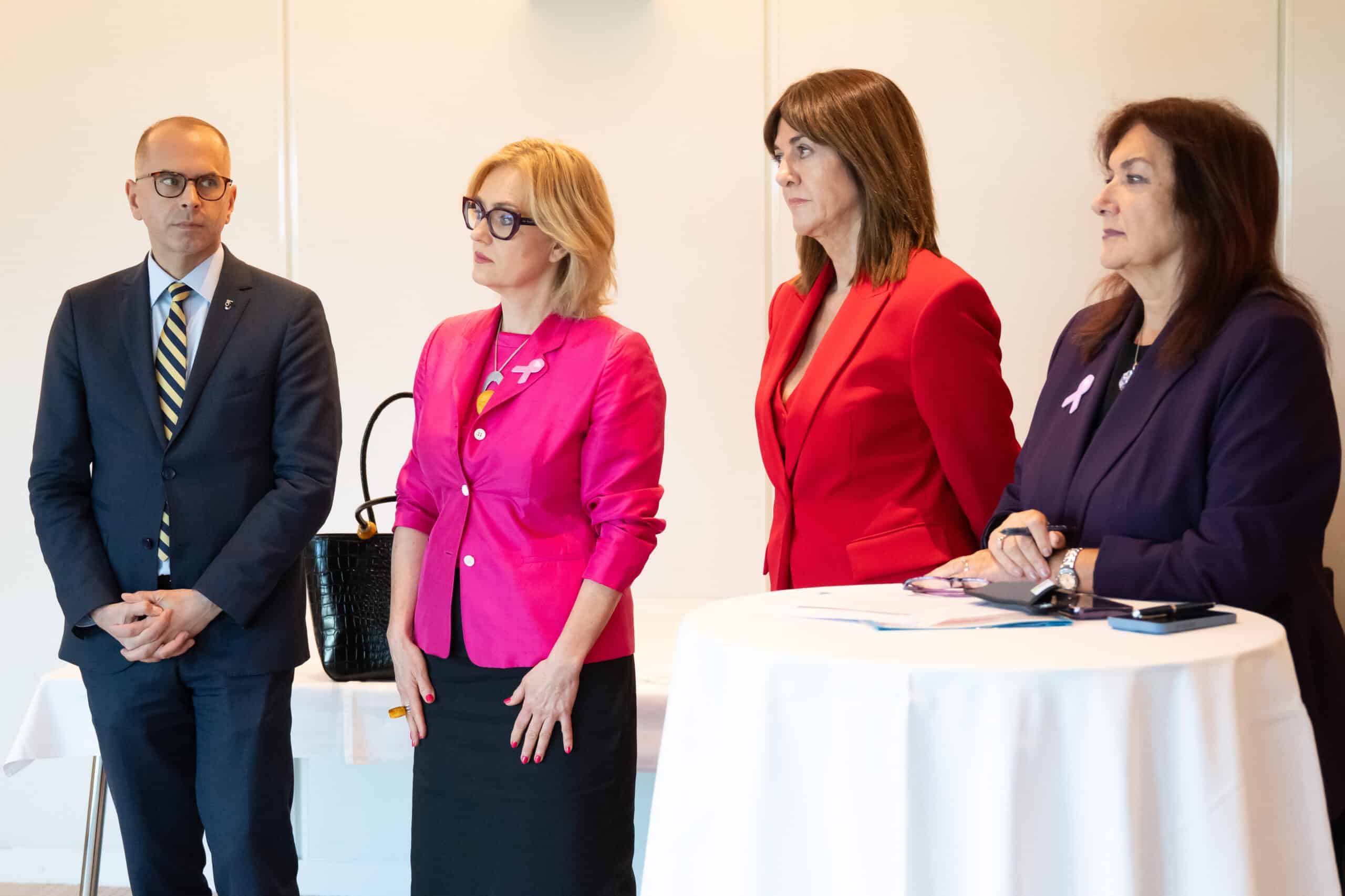
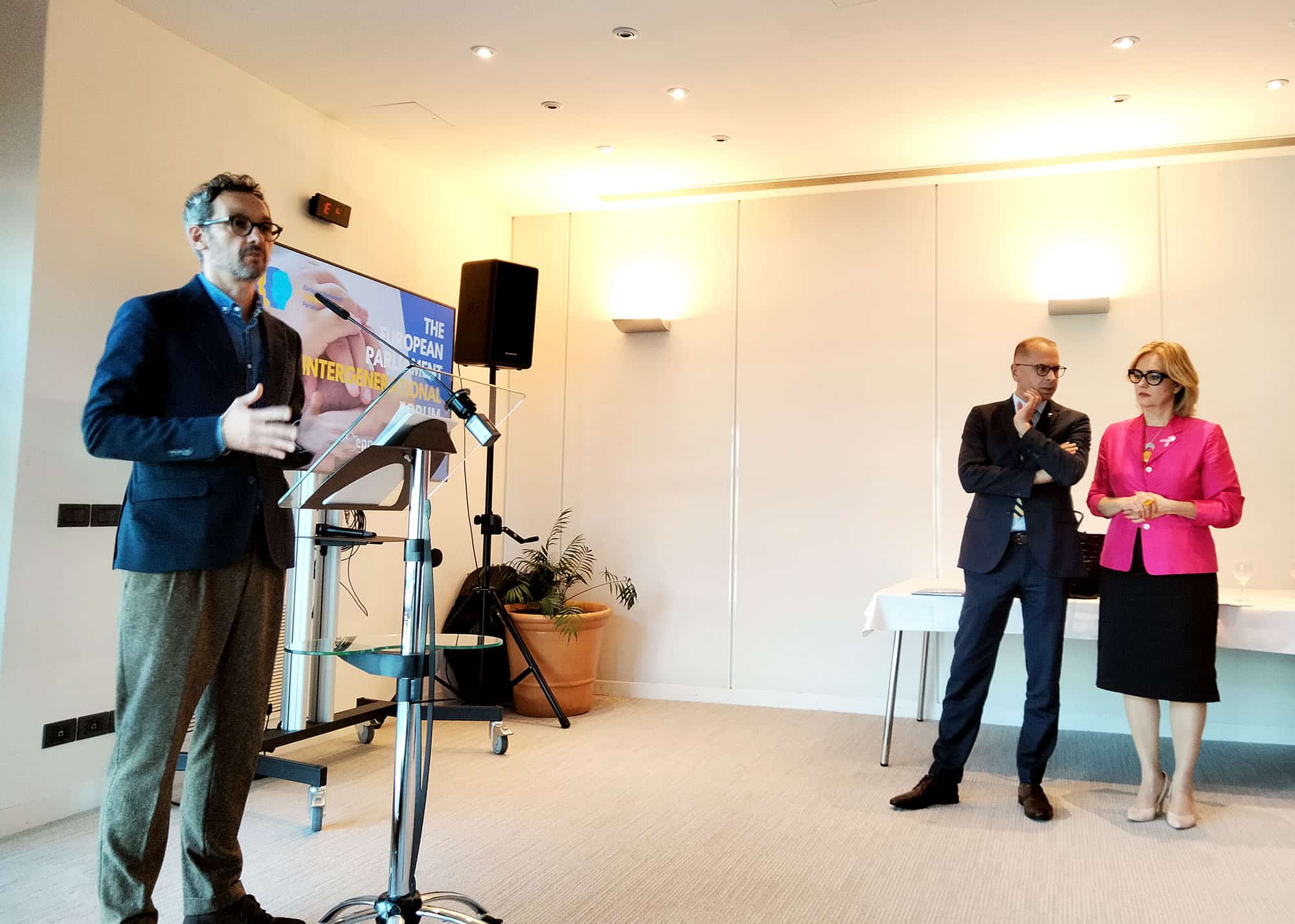
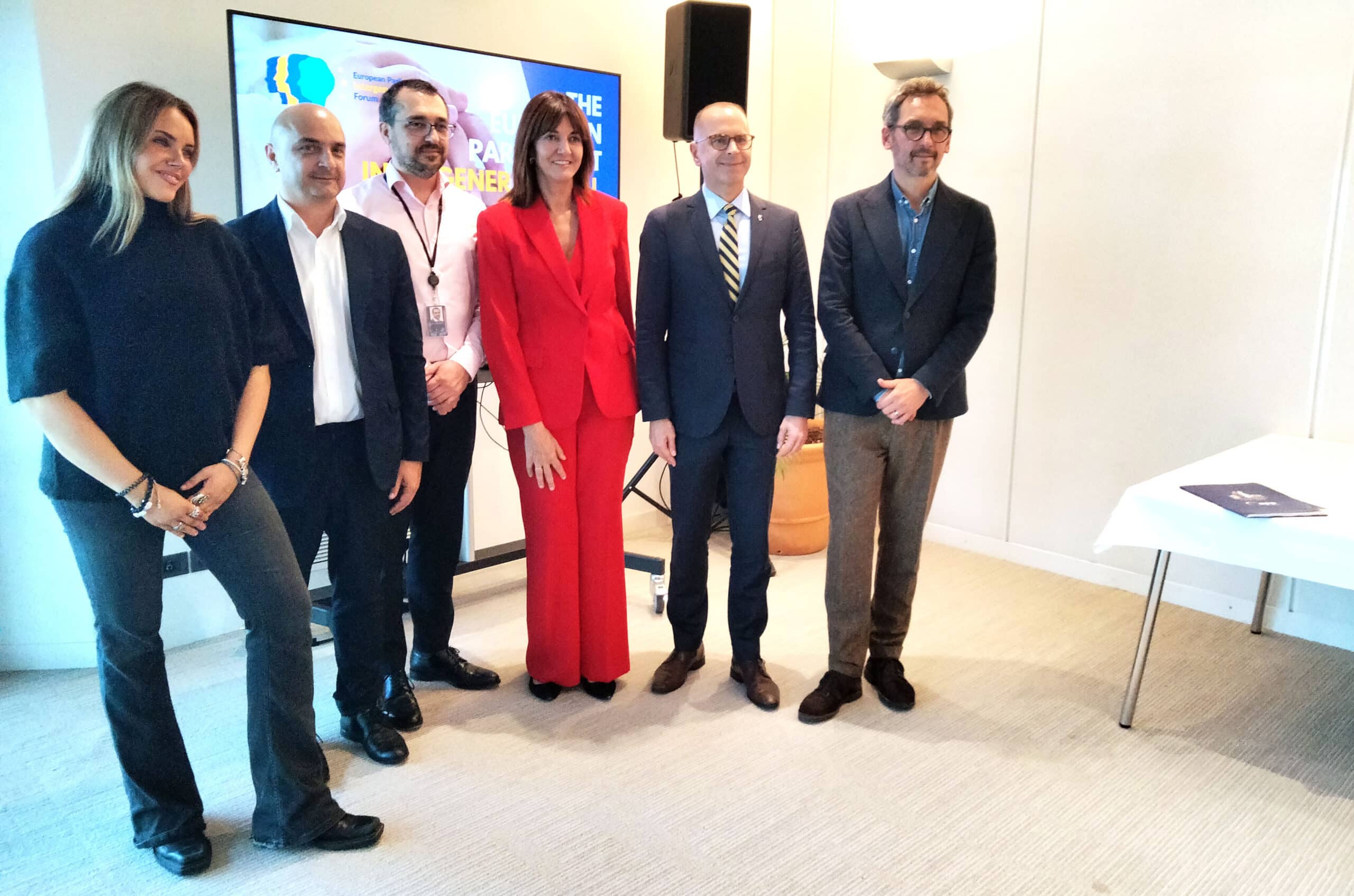
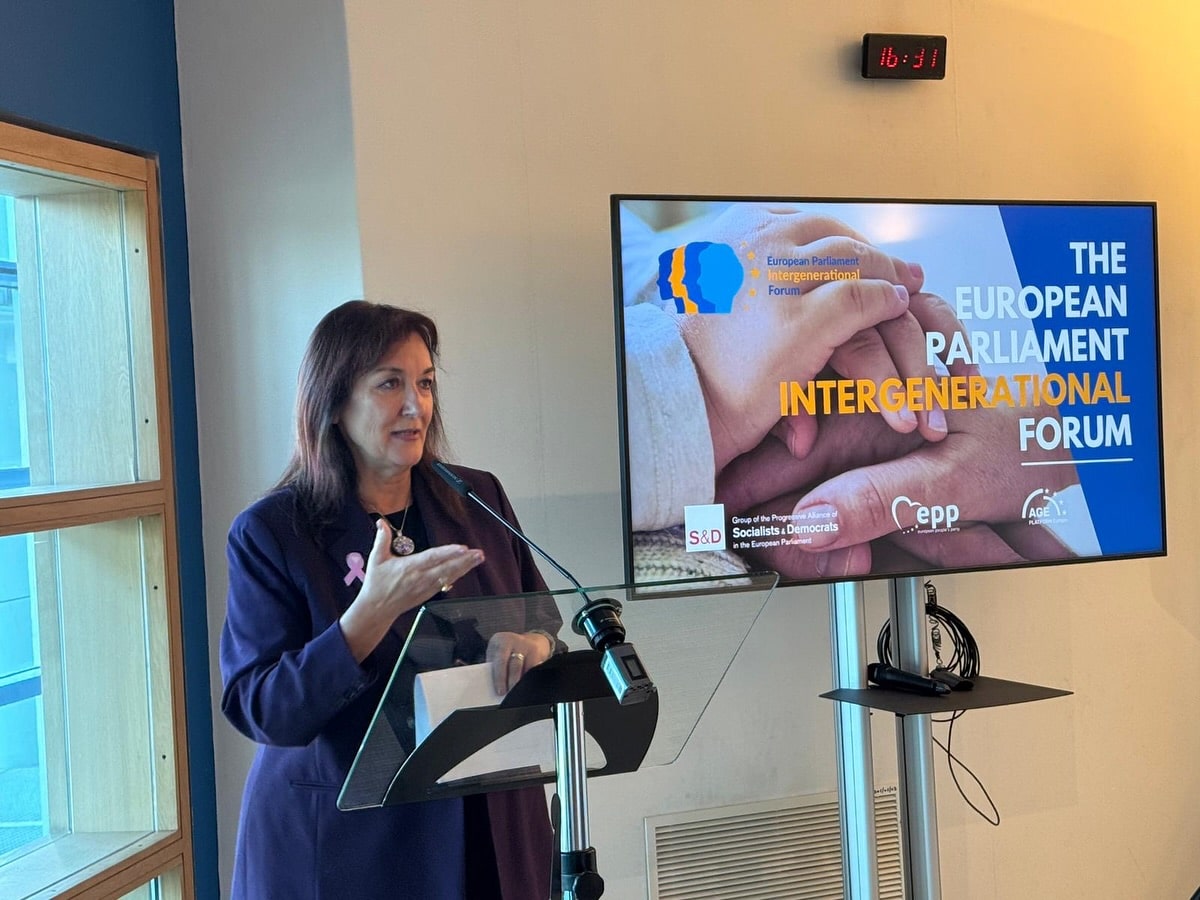
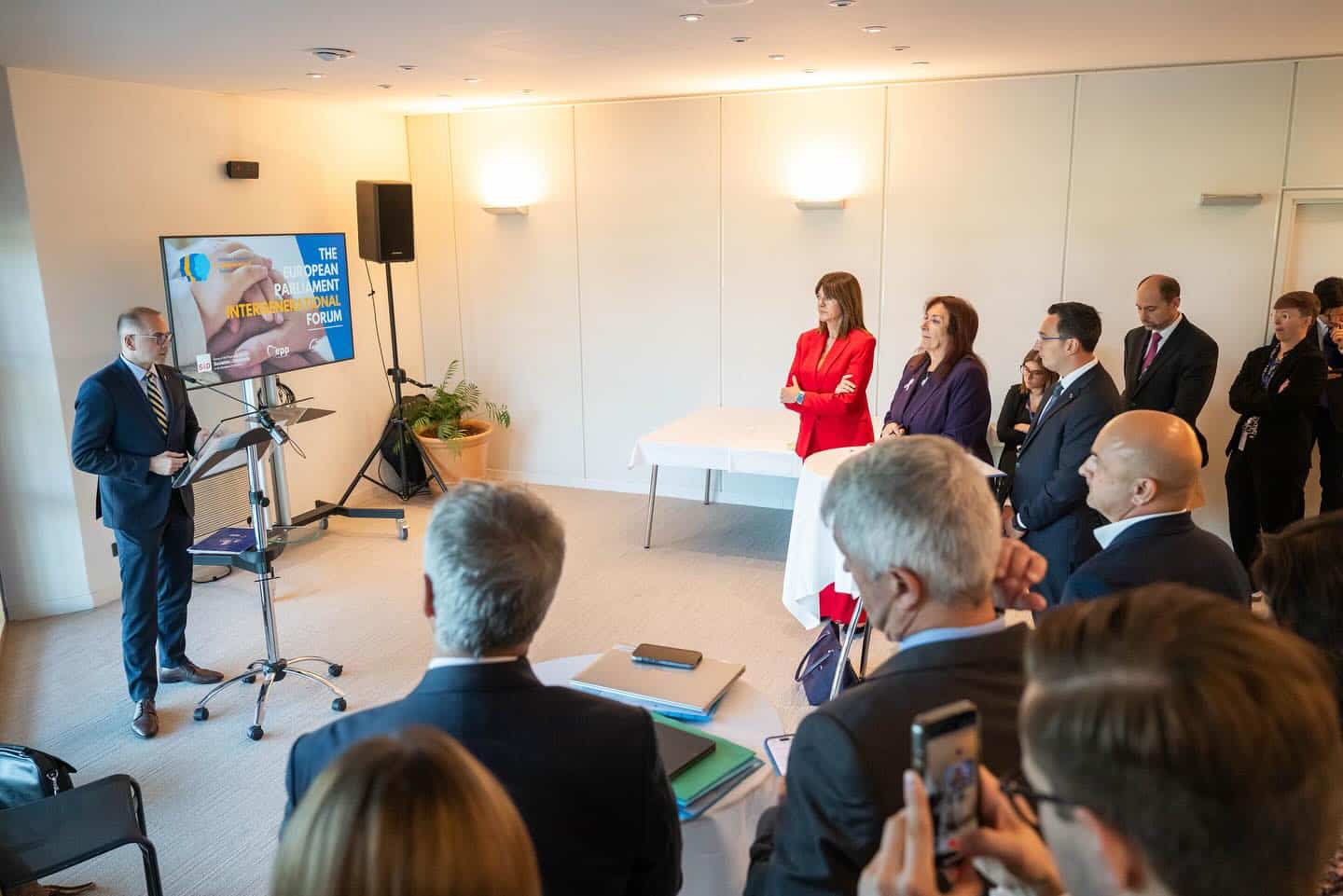
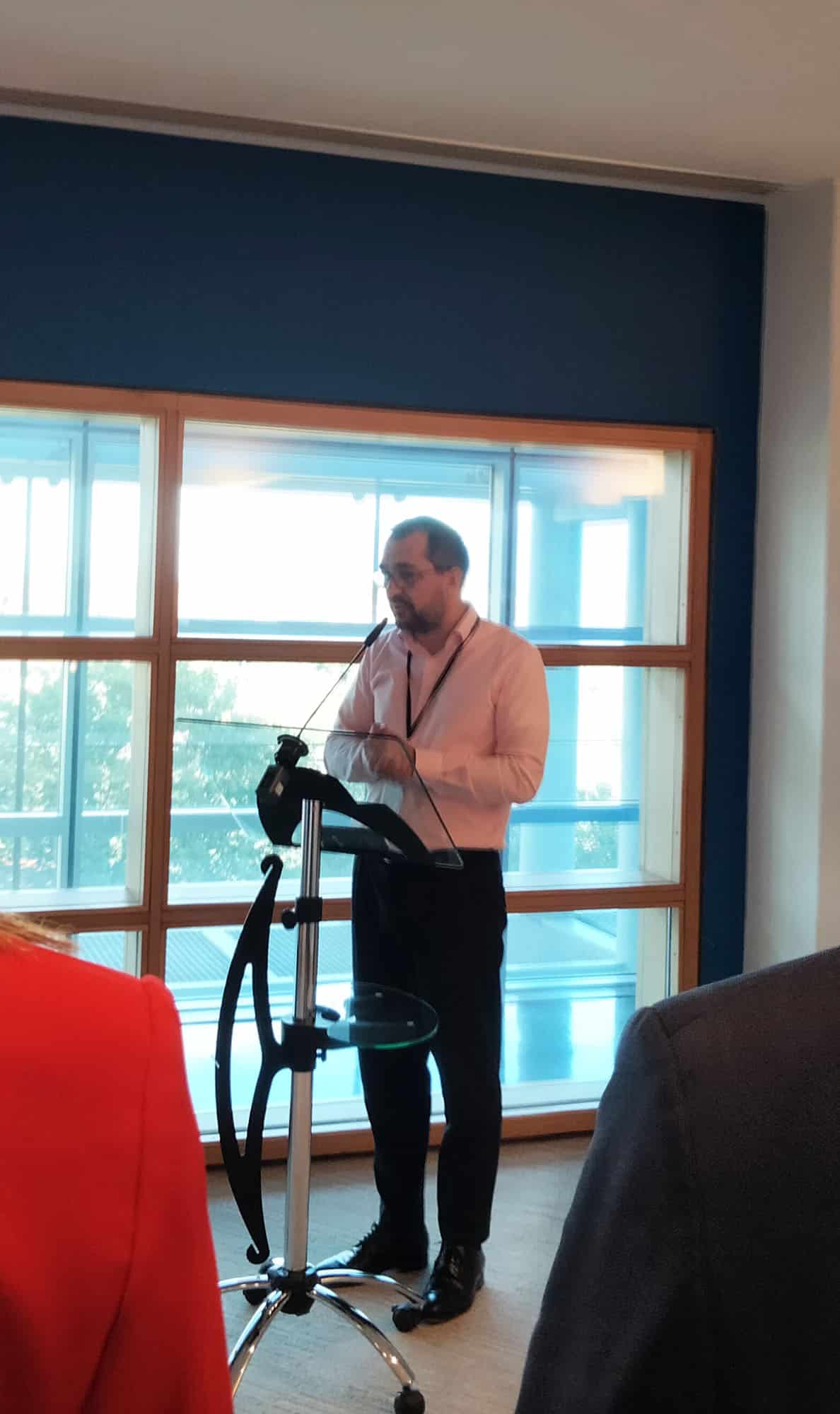
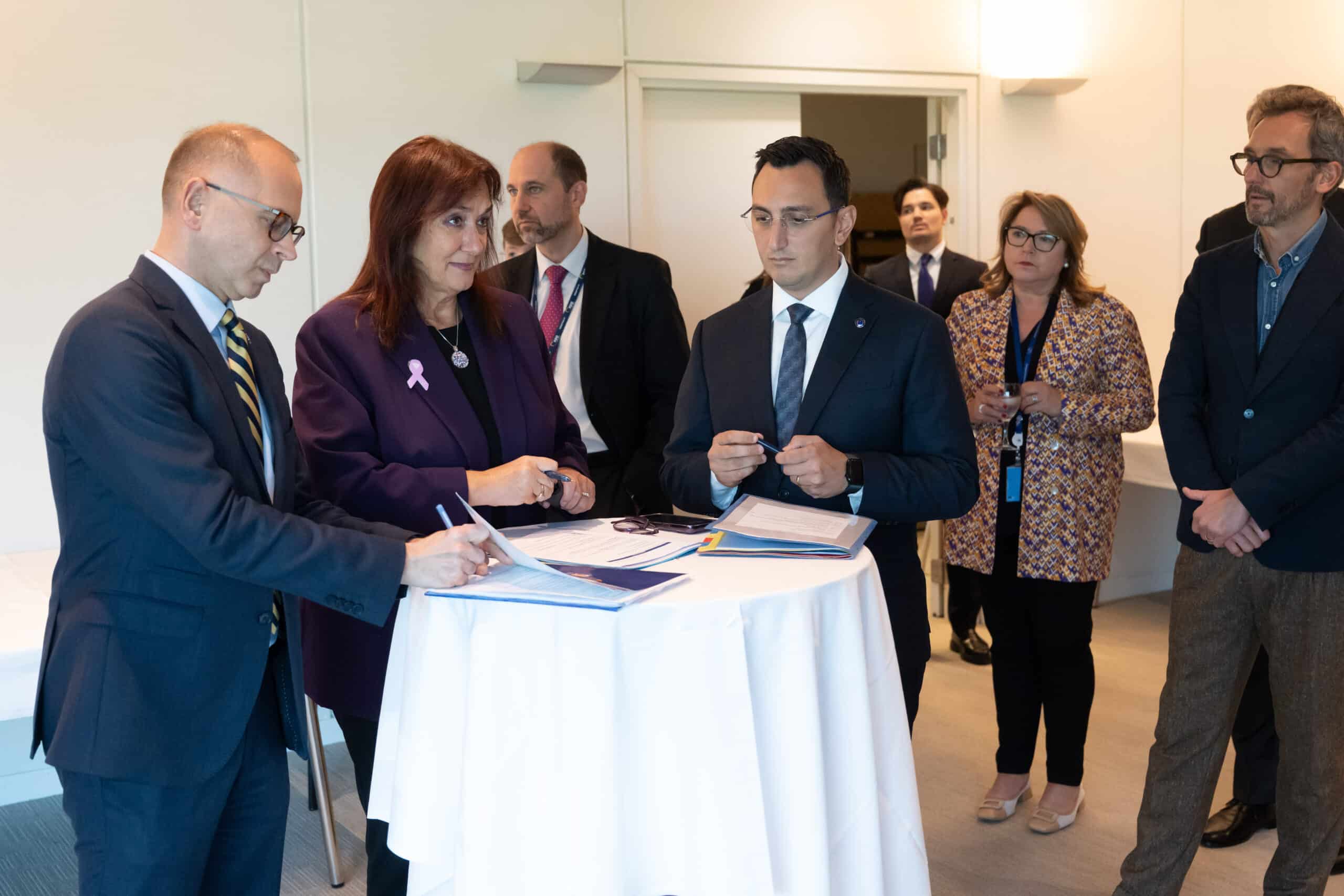
On October 7th 2025, Ms. Mendia and Mr. Michał Szczerba – Co-Chairs of the Interest Group ‘Europe for all Ages’ – launched the Intergenerational Forum, in presence of Commissioner Glenn Micallef, responsible for intergenerational fairness, and Commissioner Dubravka Suica, responsible for demography and representatives of AGE and the European Youth Forum.
Key takeaways
- Ms Idoia Mendia launched the forum calling for a real intergenerational pact to mainstream solidarity and fairness between generations into all policies, including care, housing, transport and many other policies.
- Mr Michal Szczerba emphasised that the establishment of the Forum was not merely a change of name, but a genuine opportunity to take into account the perspectives of both older and younger people.
He highlighted the death toll of 19,000 lives of people over 75 in Europe during the 2025 summer heat waves and the fact that informal care would add 3% to the EU’s GDP if it was paid.Europe needs to improve access to long-term care, housing, mental health support, protect children and well-being. He underlined the ways older people contribute to society, as carers, learners in third age universities and their support for intergenerational volunteering.
- Mr Micallef, Commissioner for Intergenerational Fairness, promoted participation in the drawing-up of the Intergenerational Fairness Strategy to envision a fair future for all genereations. He called for not pitting generations against each other, but for help in drafting the Strategy.
- Ms Suica, Commissioner for Demography, described the upcoming Strategy as a continuation of the work of the Conference on the Future of Europe. She emphasised the need to find solutions to support childcare, care services, and young people, while addressing the additional average of ten years of life expectancy gained over the past decades. She also highlighted the Care Strategy adopted by the Commission and stressed the need for an EU-level body to address demographic challenges and coordinate the policy response.
- Mr Kucharczyk, Secretary-General of AGE, stated that the EU and the upcoming Intergenerational Fairness Strategy must take into account the needs of all generations. The treaties enshrine solidarity between generations, which goes beyond mere fairness. Solidarity is not about weighing the interests of one generation against another, but about recognising their interdependence.
The new Strategy should include a vision for a European Action Plan to fight ageism. AGE has proposed one, with 9 flagship initiatives across policy areas, from employment to social protection, health, and long-term care. It presents a vision for society today and tomorrow, as all actions we take now will also impact the older people who follow us.
Mr Kucharczyk called on both institutions – the Commission and the Parliament – to support the idea of such an Action Plan as part of the upcoming Strategy. This would complement existing strategies, uphold the Charter of Fundamental Rights, and encourage the EU to play a similar role internationally, as the United Nations has decided to start drafting a convention on the rights of older people.
- Natalia Kallio, board member of the European Youth Forum welcomed the intergenerational fairness strategy, highlighting that it should take into account many demands of the youth forum, notably by eliminating unpaid internships and allow younger persons to access affordable housing.
- Member of the European Parliament, Vlad Volescy, of the Renew group highlighted the EU’s interdependence when it comes to ageing, as many Romanian women migrate to Italy or Austria to provide personal care. He called for increased quality standards in long-term care services but highlighted the issue of very high costs which are often shared between to public sector and families. The residential care model is too expensive, and we need to foster a mentality change and allow older persons in need of care to remain at home.
- Mr Gordan Bosanac, Member of the European Parliament from the Greens/EFA, called for working together to find arguments in the treaties to implement rights of older persons. He proposed an intergenerational Erasmus programme.
- Dana-Carmen Bachman of the European Commission’s DG for Employment and Social Rights put forward the Commission’s actions on the EU Care Strategy, to support health and quality of life.
The meeting was closed by Ms Idoia Mendia with the hope that the creation of the Forum will create momentum to further discuss these policies across generations.
The creation of the Forum is hoped to create momentum to further discuss and implement these crucial policies across generations. It aims to become a space for cooperation between European institutions and civil society, helping to shape the upcoming EU Strategy on Intergenerational Fairness and to build a society that benefits all generations.
Contact
Philippe Seidel Leroy
Policy Manager on Social and Economic policies and European Parliament Liaison