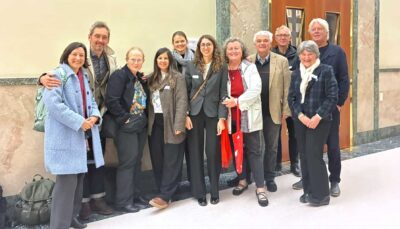
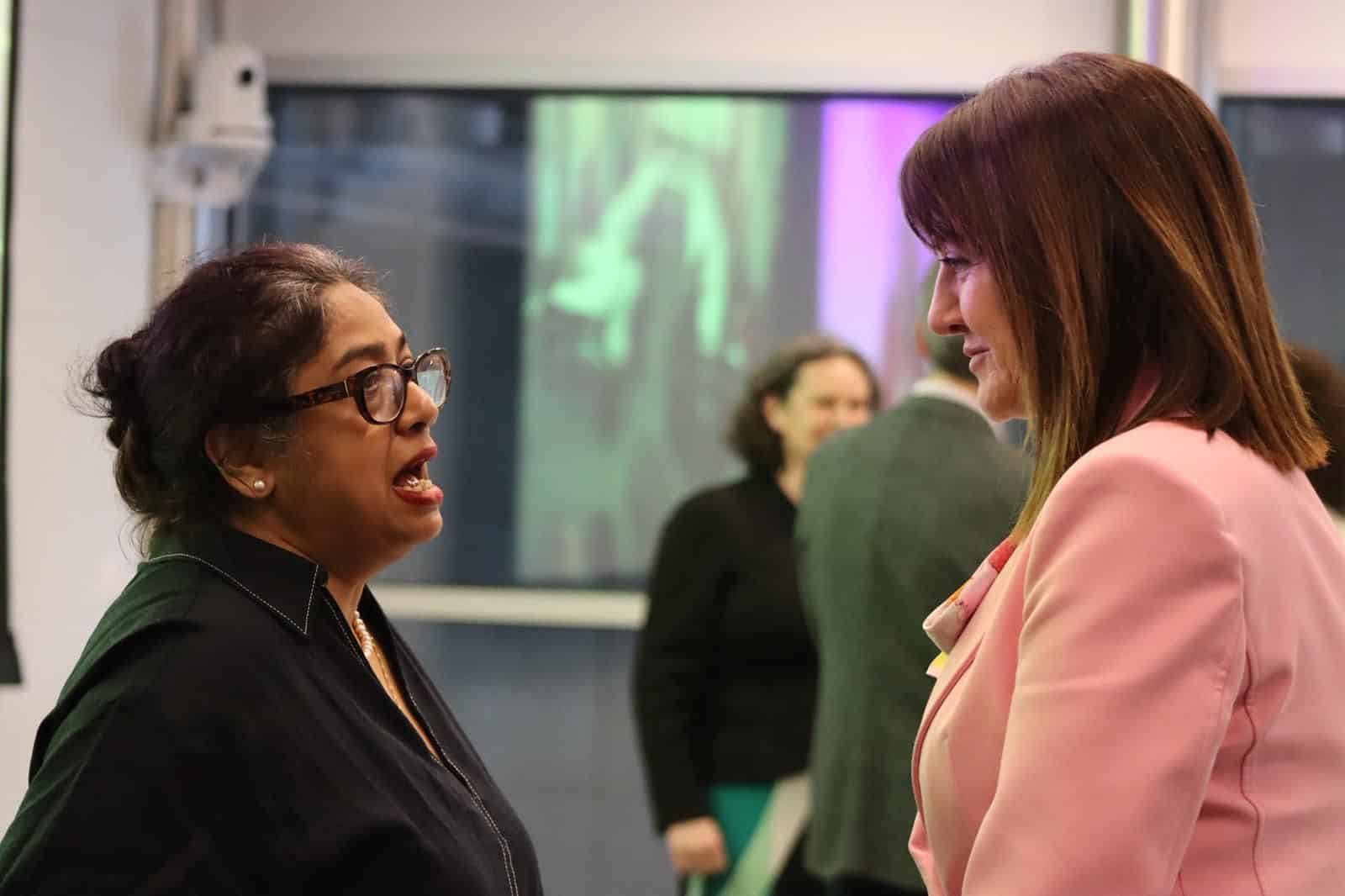
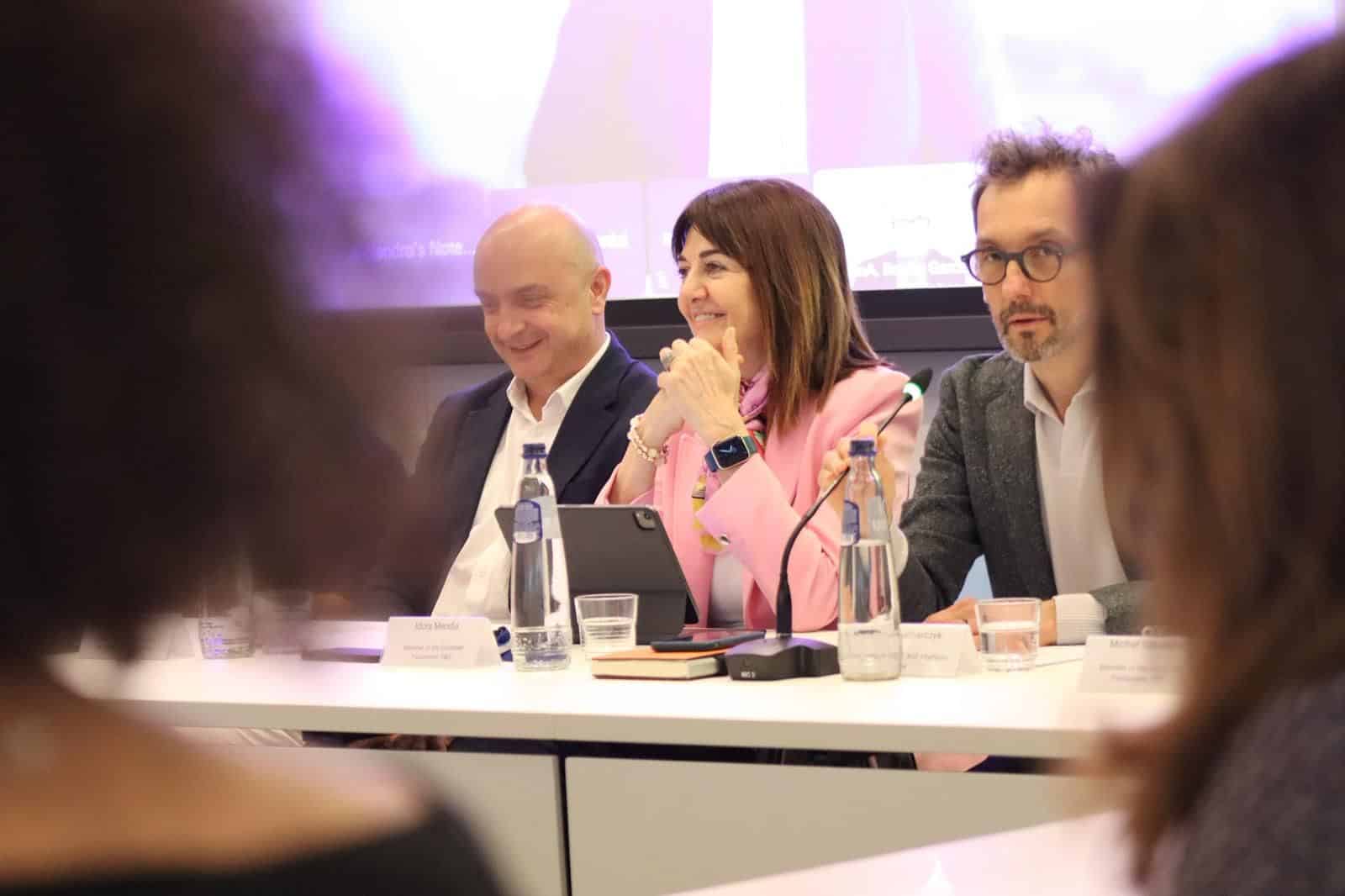
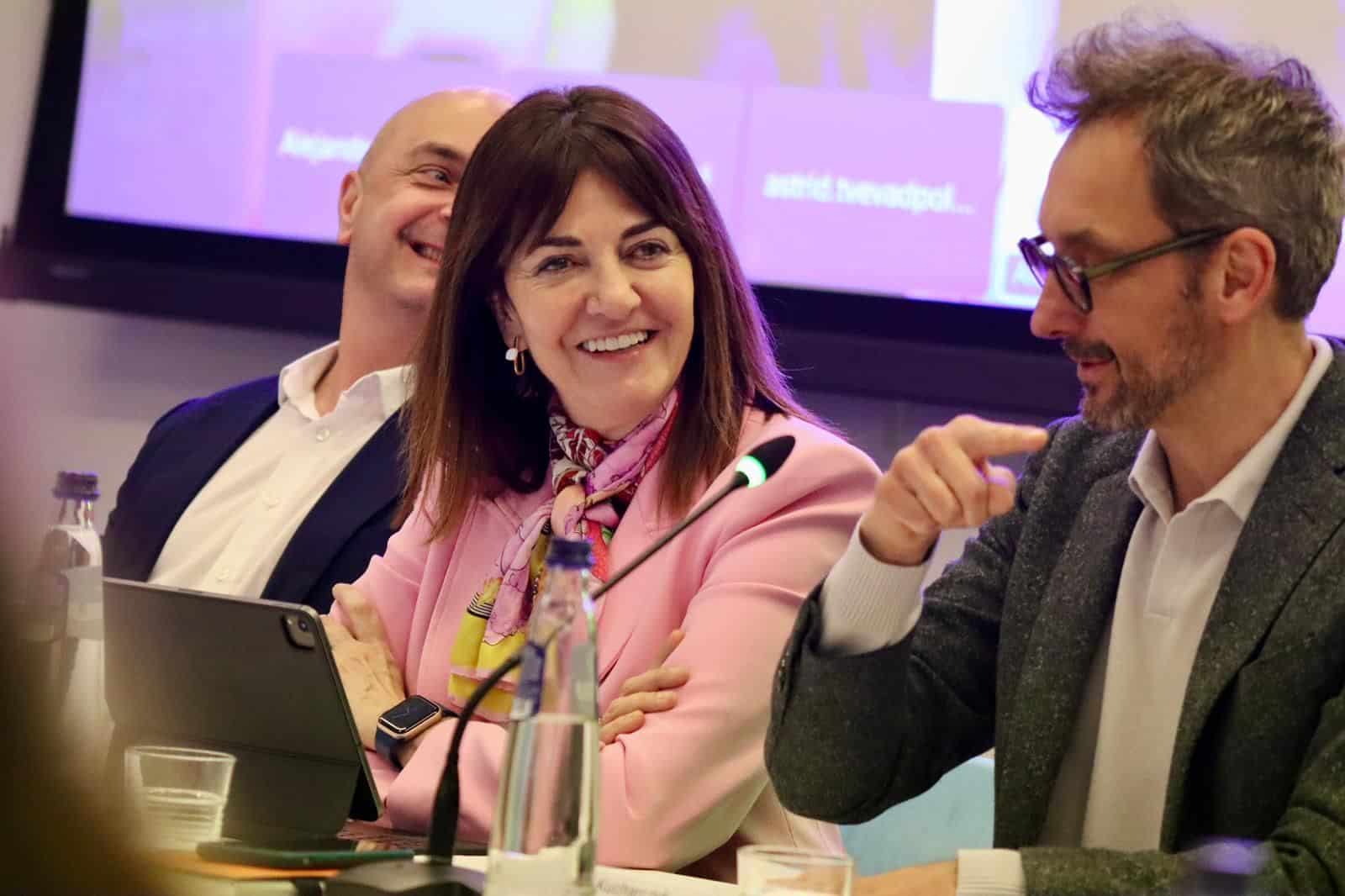
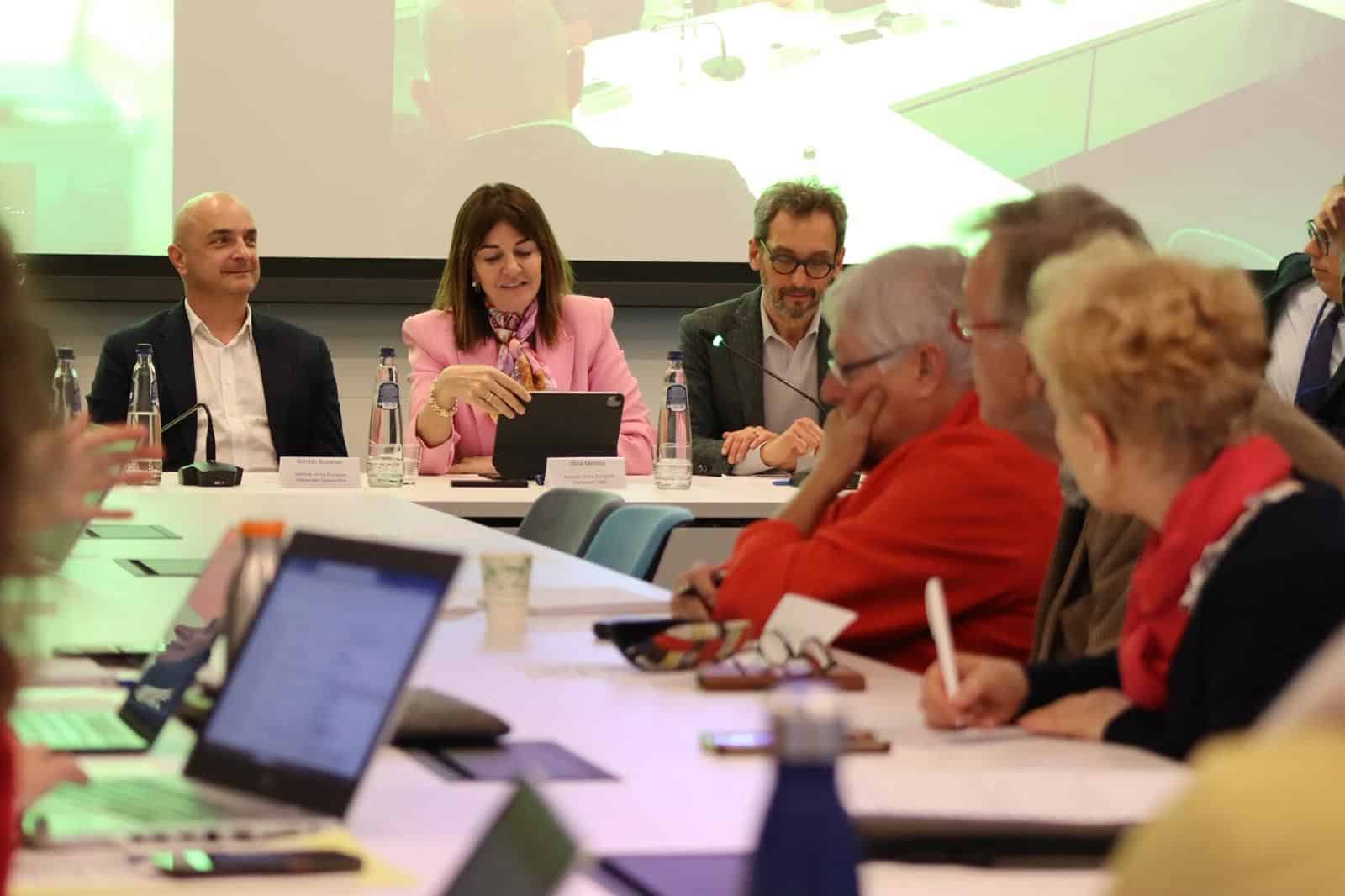
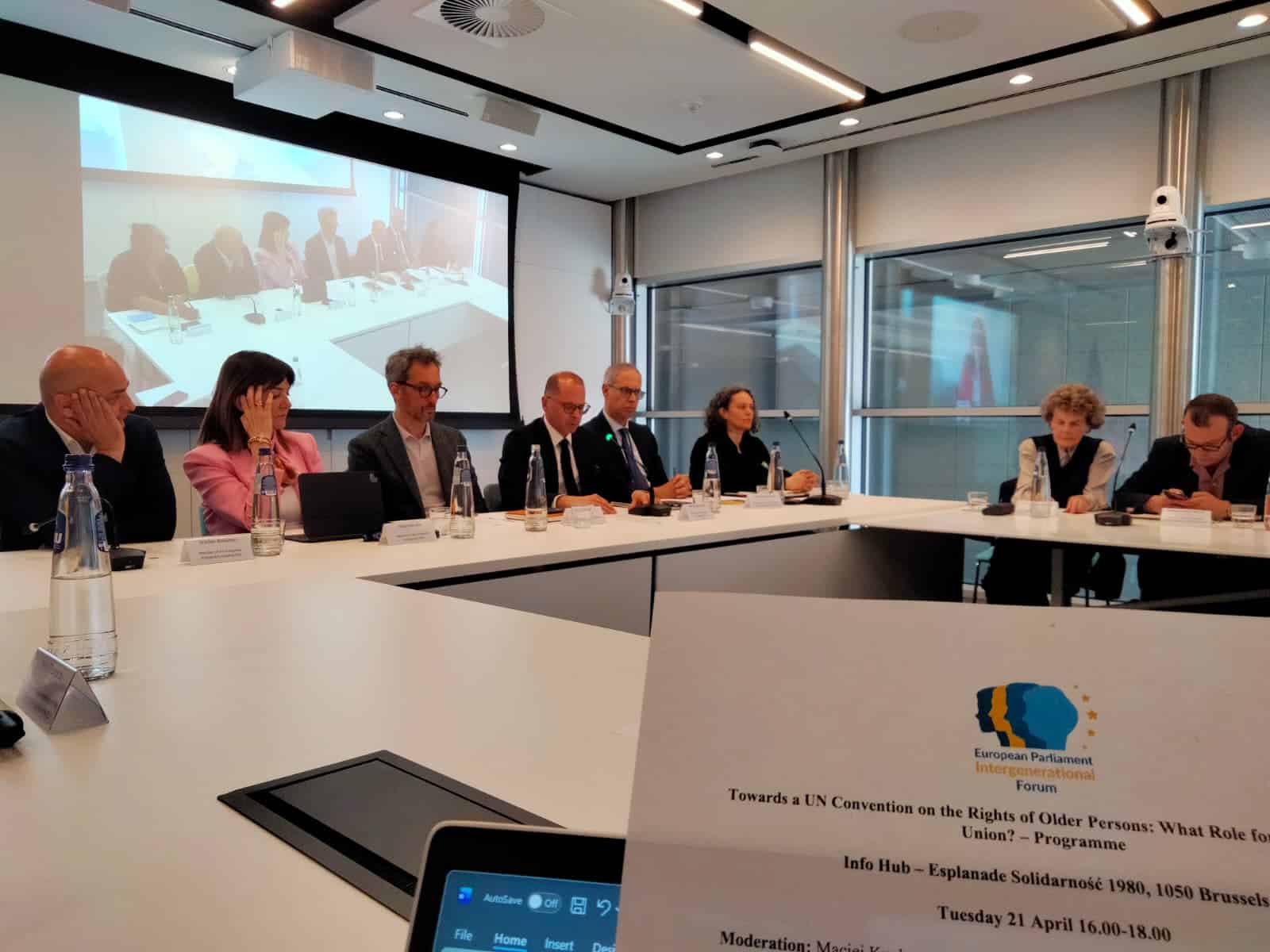
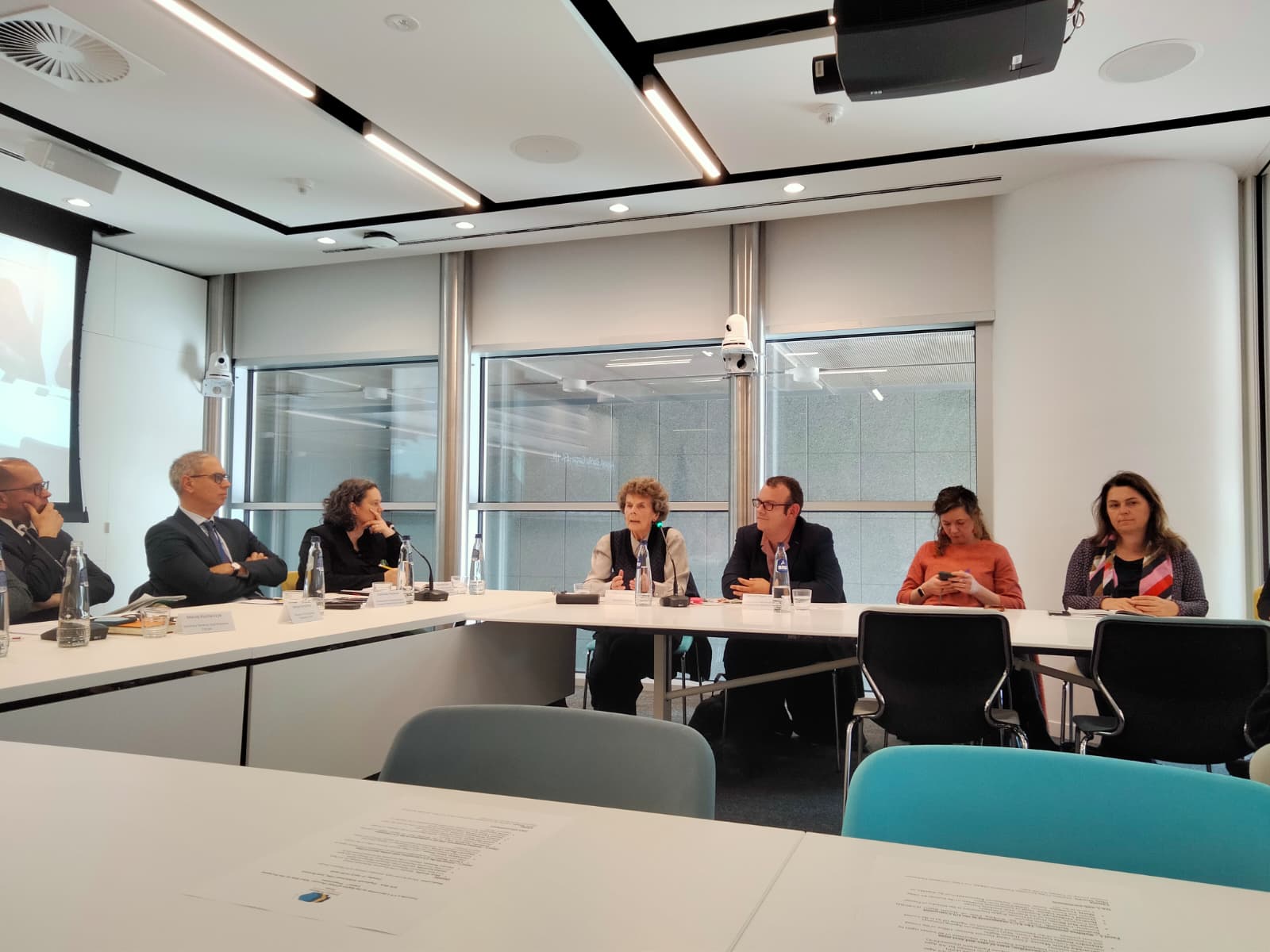
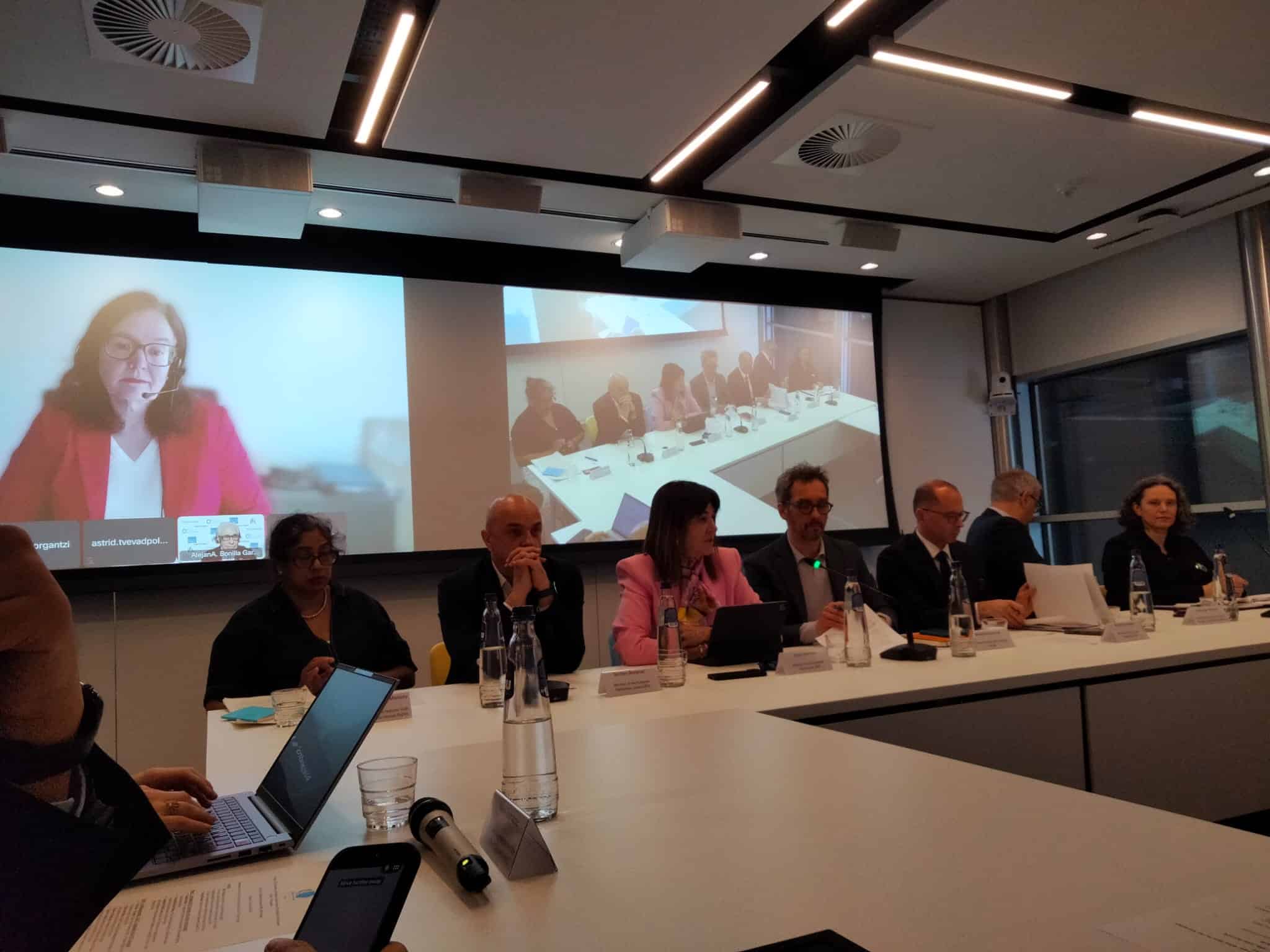
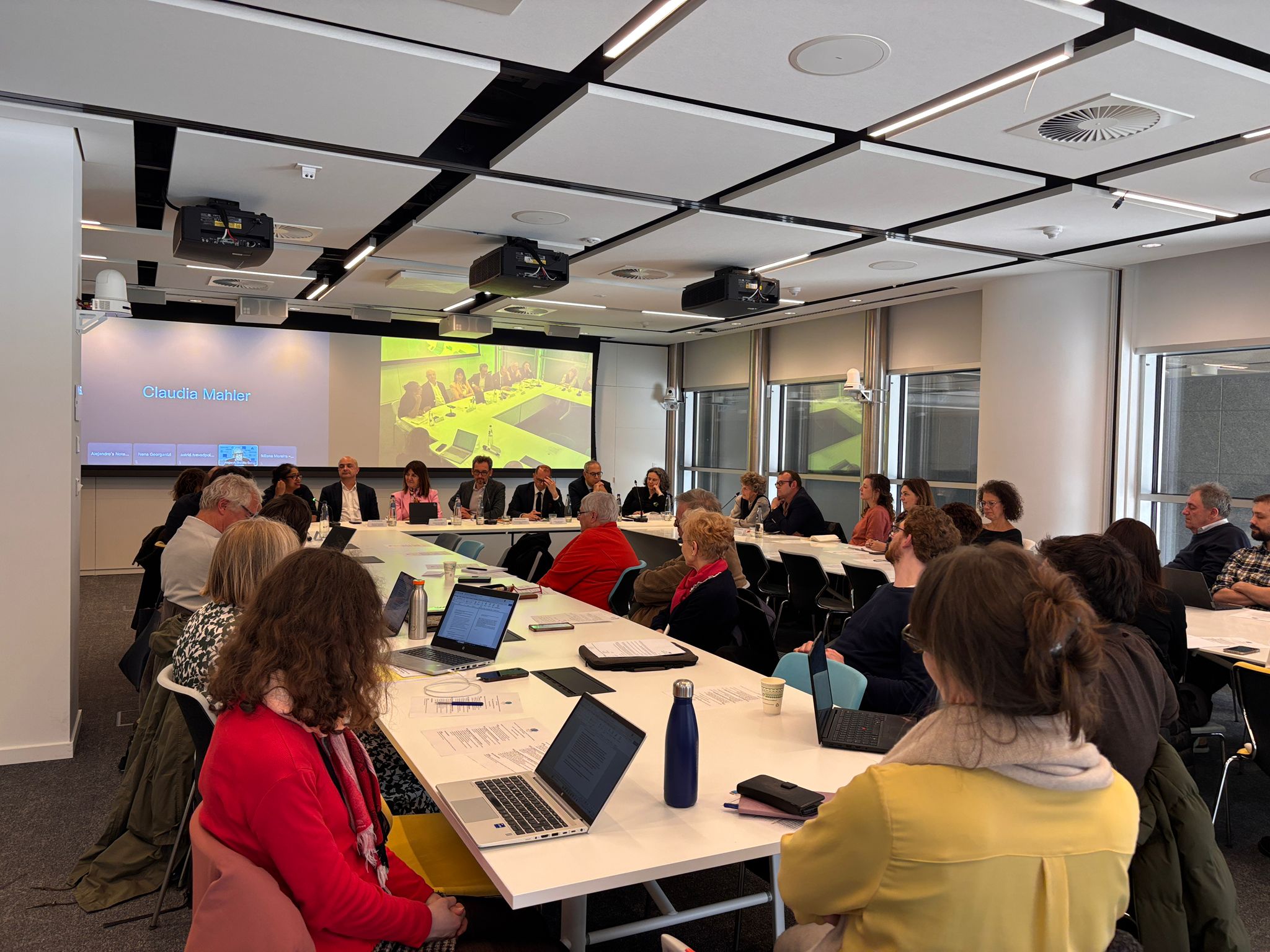
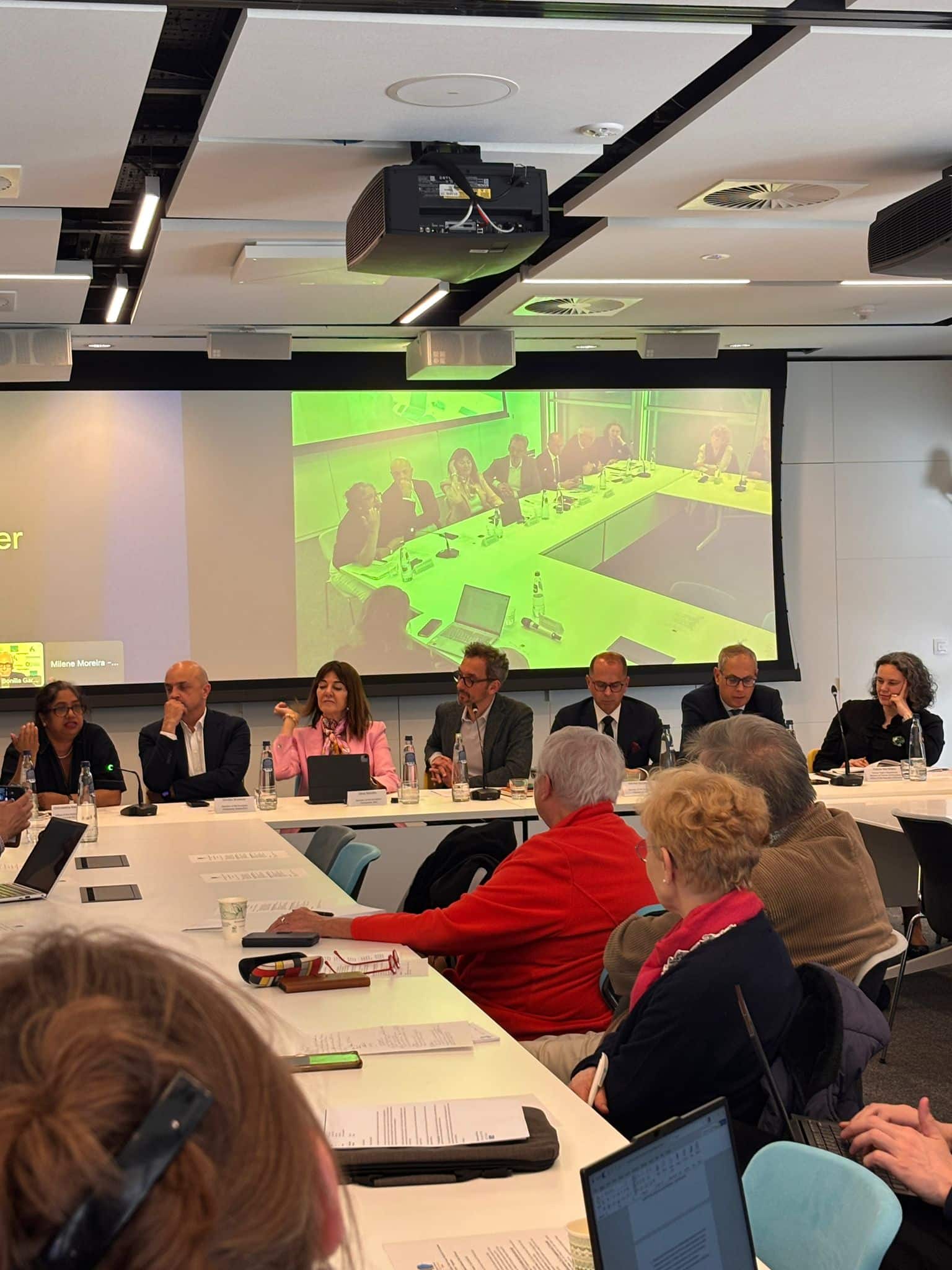
The European Parliament’s Intergenerational Forum has organised a roundtable to discuss the EU’s involvement at the United Nations, while it is drafting a legally binding instrument on the human rights of older people. At the event, the Co-Chairs of the Forum, together with AGE Platform Europe and the senior’s organisations of the Christian-Democrat, Socialist and Green parties co-signed a call for the EU to take an active role in this historic moment.
Involving the European Union: a moment to stand up to the EU’s values
Host MEP Idoia Mendia emphasized that the rights of older persons are missing from the international framework. The start of the negotiations mark a significant step forward, but the commitment of Member states must not be taken for granted. It is a matter of intergenerational fairness to work towards a UN Convention on Older Persons which guarantees access to quality services, strengthen the coordination of policies related to ageing and to send a clear message that rights have no age.
Michal Szczerba, MEP, called for older persons to enjoy the same level of protection as other groups. Population ageing is one of the defining transformations of our time. The support of 14 Member States for launching the process towards a Convention, and as the EU is already a party to the UN Convention on the Rights of Persons with Disabilities, this is just a natural continuation of this process. Poland co-sponsored the UN resolution and the Polish Ombudsperson is very active – the Commission should rise up to the challenge and define who is responsible for it.
Gordan Bosanac, MEP, stated his surprise that the EU does not have a framework or a strategy on ageing, which he only discovered when he assumed office. The UN was very important for Croatia in the 1990s, but has faded from the EU policy scene recently. However, it should be fully supported to get engaged. In Croatia, many older persons live under the poverty threshold and struggle to access health care. Older persons have contributed in building the European Union and our democracies, we should showcase that every person is valuable.


The drafting process as a historic moment in time
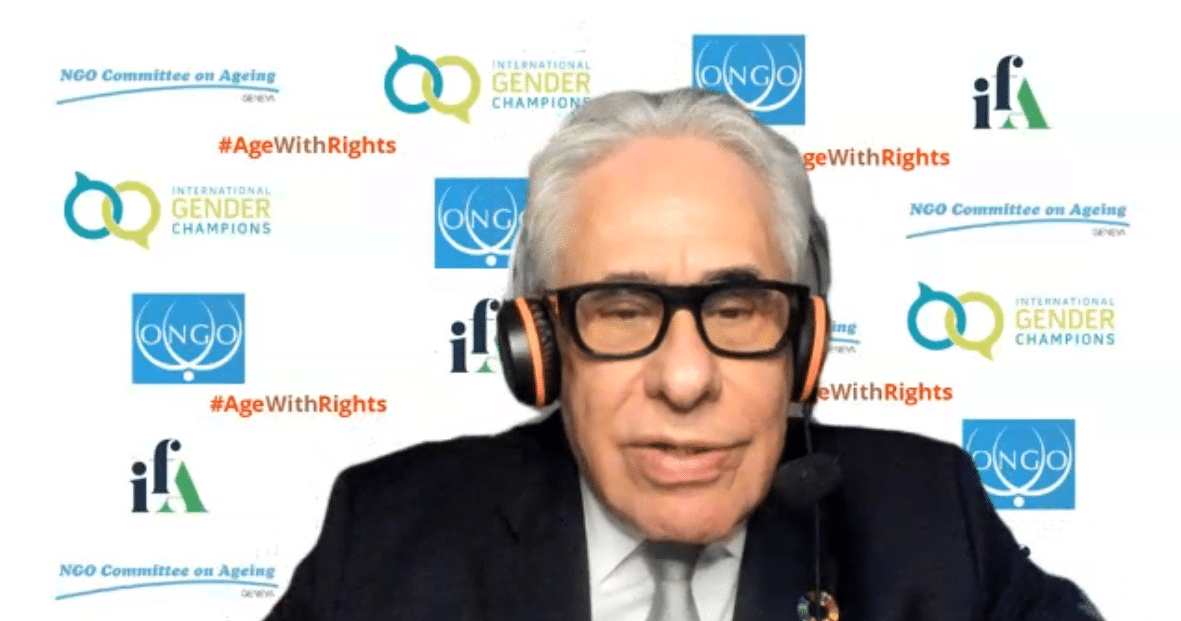
The process leading to the legal outcome was discussed by Claudia Mahler, UN Independent Expert on the Rights of Older Persons, Chritraleka Marie Massey, leading to work on older persons’ rights at the Office of the High Commissioner for Human Rights and Alejandro Bonilla Garcia, Chair of the NGO Committee on Ageing in Geneva. Ms Mahler emphasied that the process is not new, but stems already from years of discussion at the UN in New York. Ms Marie Massey reminded that the Fundamental Rights Agency already found the EU’s protection against age discrimination insufficient in 2018, while Mr Bonilla Garcia reminded the fragility of the process, as it took efforts from NGOs to tip the balance towards a mandate for drafting a new rights instrument.
The EU’s coordinating role
But how can the EU concretely get involved? To have perspectives on this, the Mr Drahoslav Stefanek, Chair of the Council working Party on Human Rights, Polona Mal Bitenc, the chief of human rights at Slovenia’s ministry of foreign affairs, AGE President Heidrun Mollenkopf, Manuel Veguin Garcia of the Spanish IMSERSO institute and Maria Toumazou, Social Attaché at the Permanent representation of Cyprus to the EU took the floor.
Mr Stefanek emphasised the work already happening at the Council, where Member States coordinate ahead of every session of the Human Rights Council. Ms Mal Bitenc welcomed a future discussion with MEPs in the Plenary on the International Day of Older Persons. Ms Toumazou expressed her hope to see the rights of older persons reflected in future EU initiatives, such as the Anti-Poverty Strateg
Ms Mollenkopf reminded of the historic dimension of the process, as she thought of her own grandparents who raised her in post-war Germany, and the long time it took to achieve living in peace, unity and quality of life in Europe. These are the rights that she wants Europe to defend for older persons, but also for future generations. It is important for the EU to communicate that even in the last minutes of your life, you are a rights-holder and that your rights are respected. The EU must allow the involvement of community leaders to defend these rights and give them a seat at the table at the UN, for example by funding the participation of older persons’ organisations in the discussions in Geneva.
Ms Mendia closed the meeting, highlighting the importance of having three members of the Parliament from different political groups committed to this agenda. She expressed her hope to continue the debate at the EP Plenary in October, together with an enlarged and committed network to build momentum for a future Convention.
Photo Gallery
Contact
Philippe Seidel Leroy
Policy Manager on Social and Economic policies and European Parliament Liaison