
Can AI truly serve everyone regardless of age?

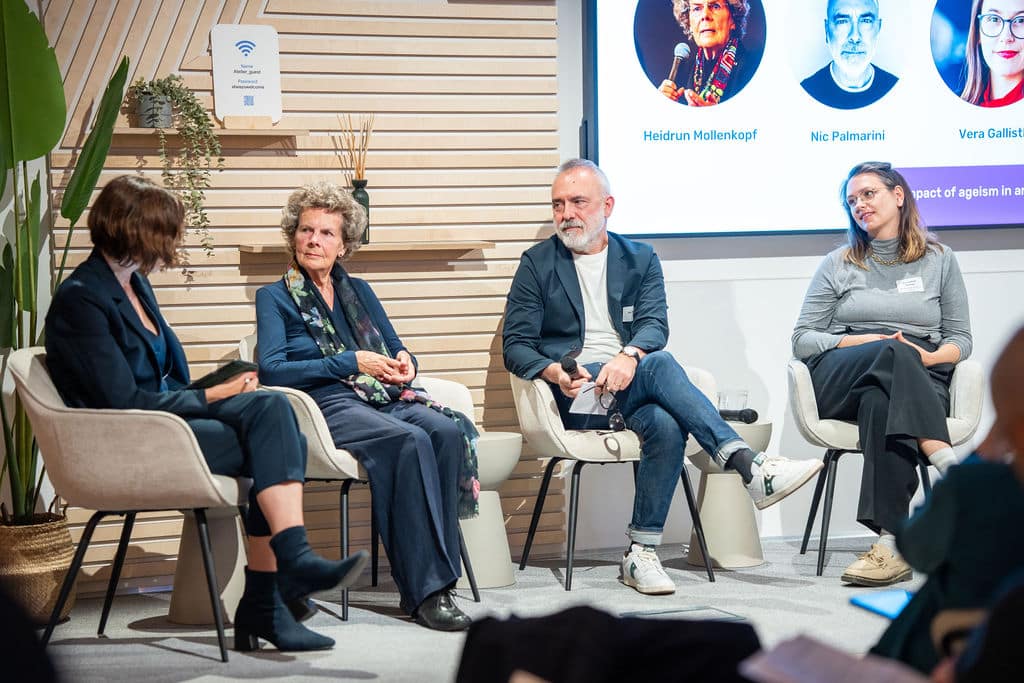
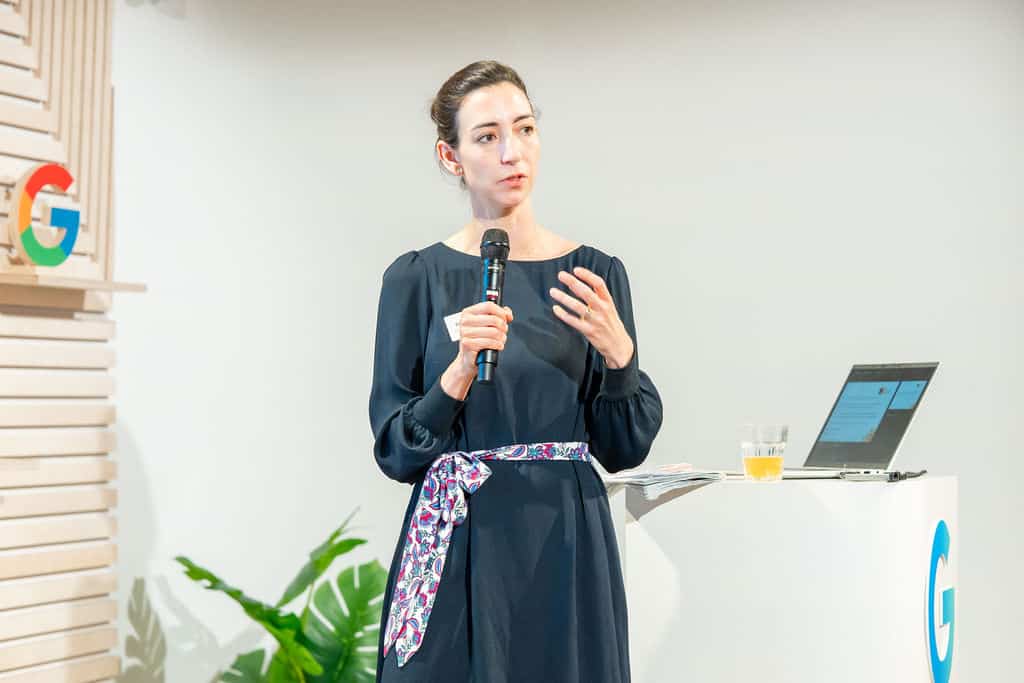
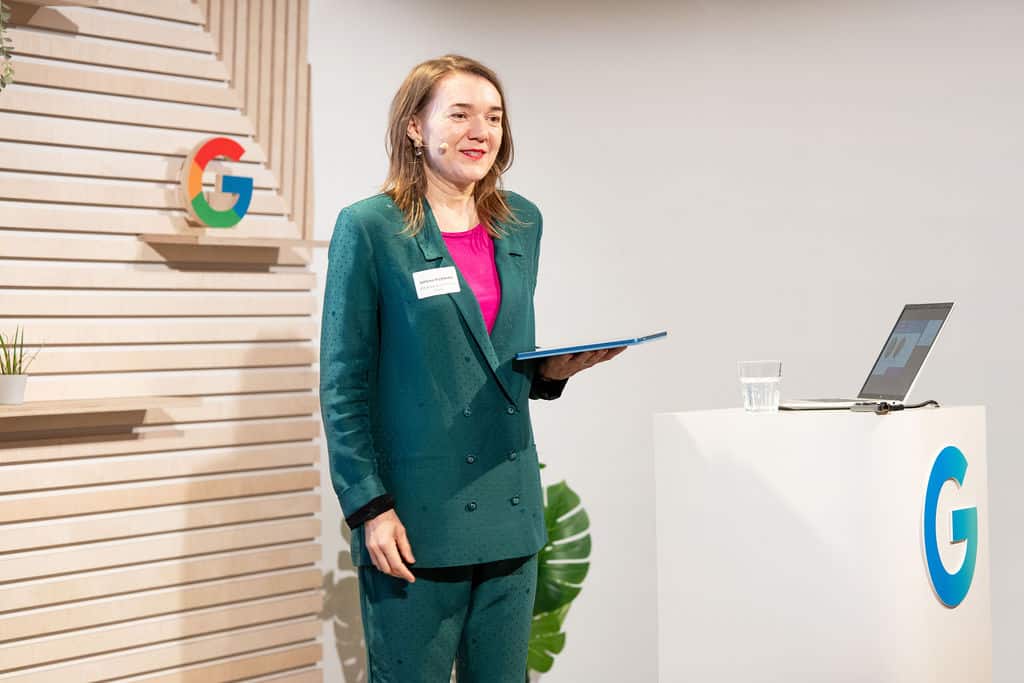
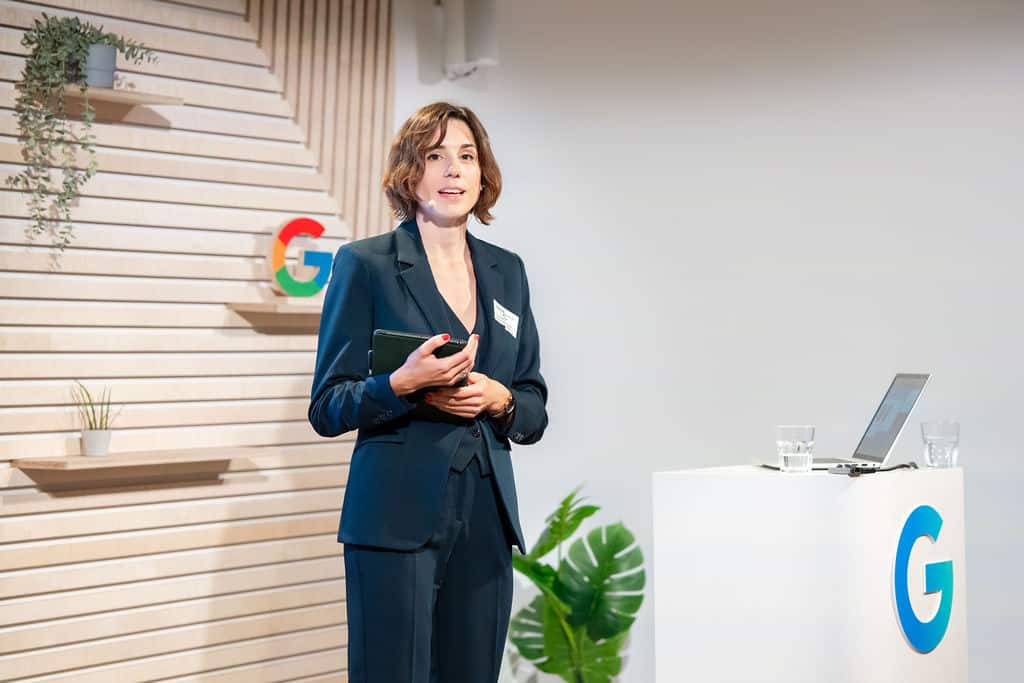
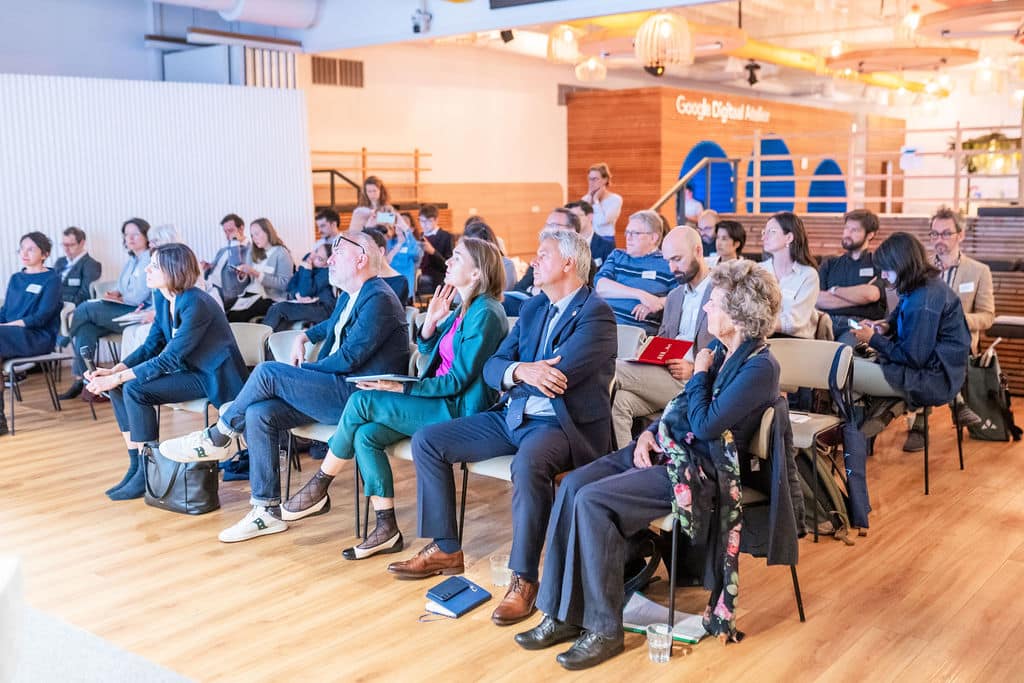
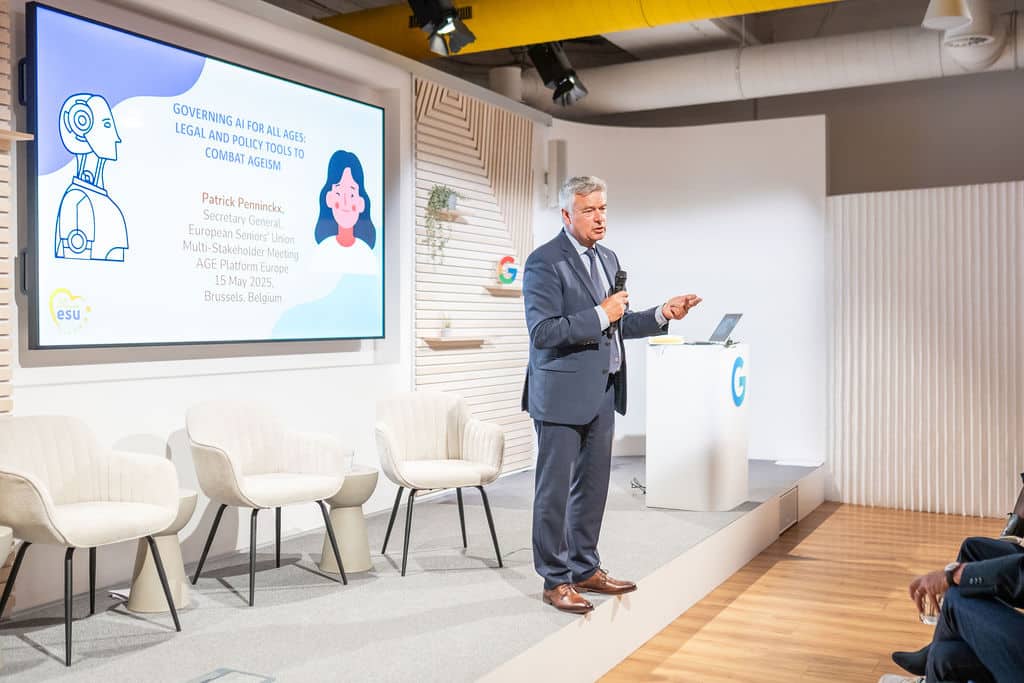
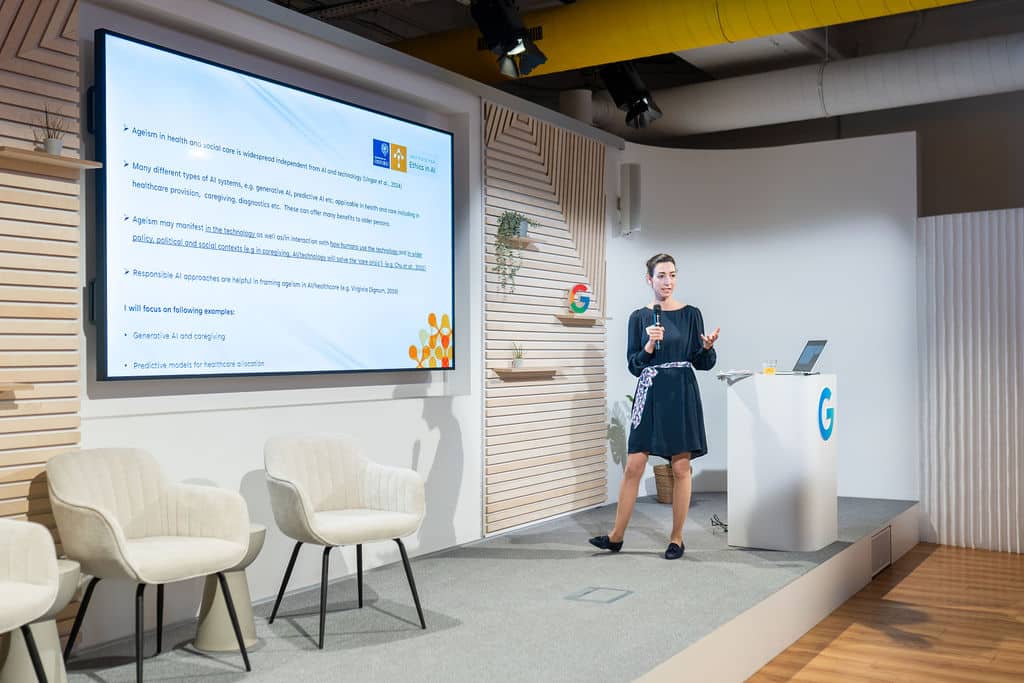
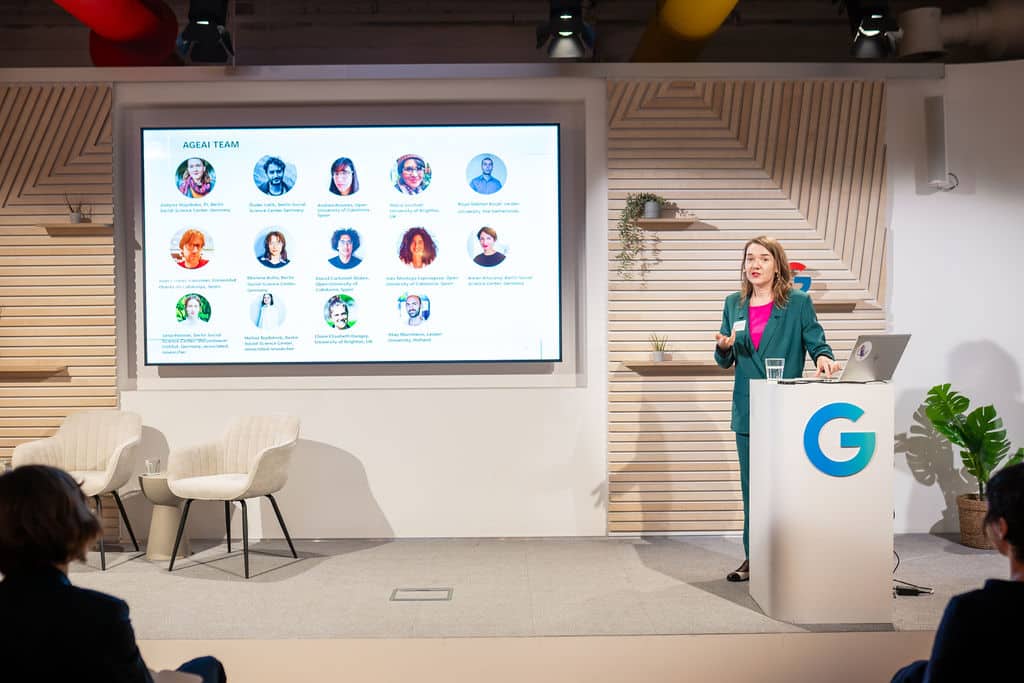
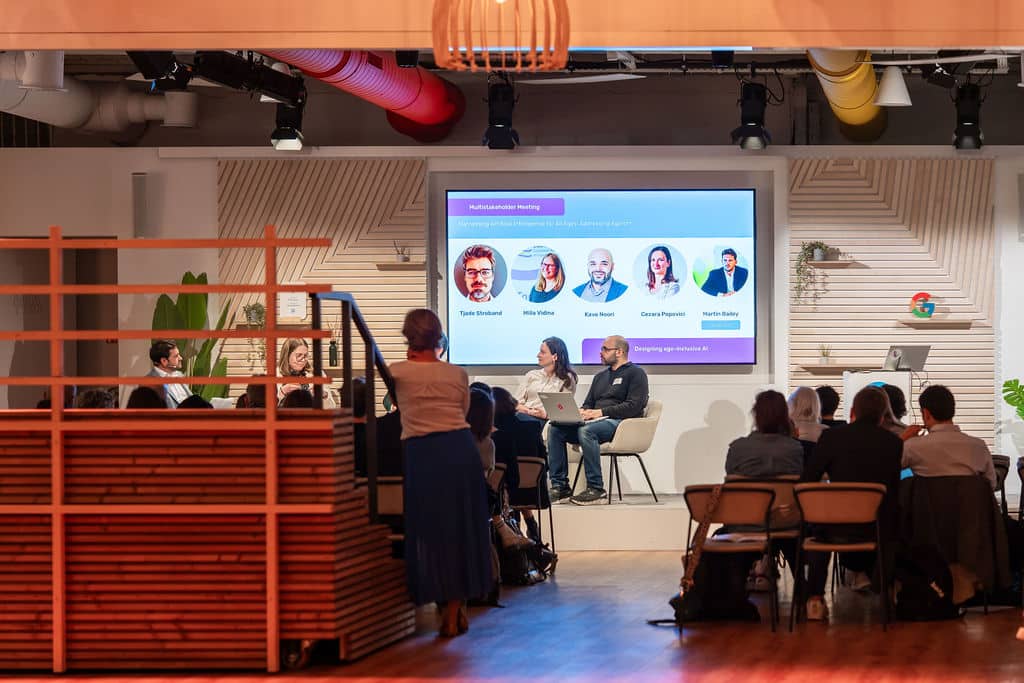
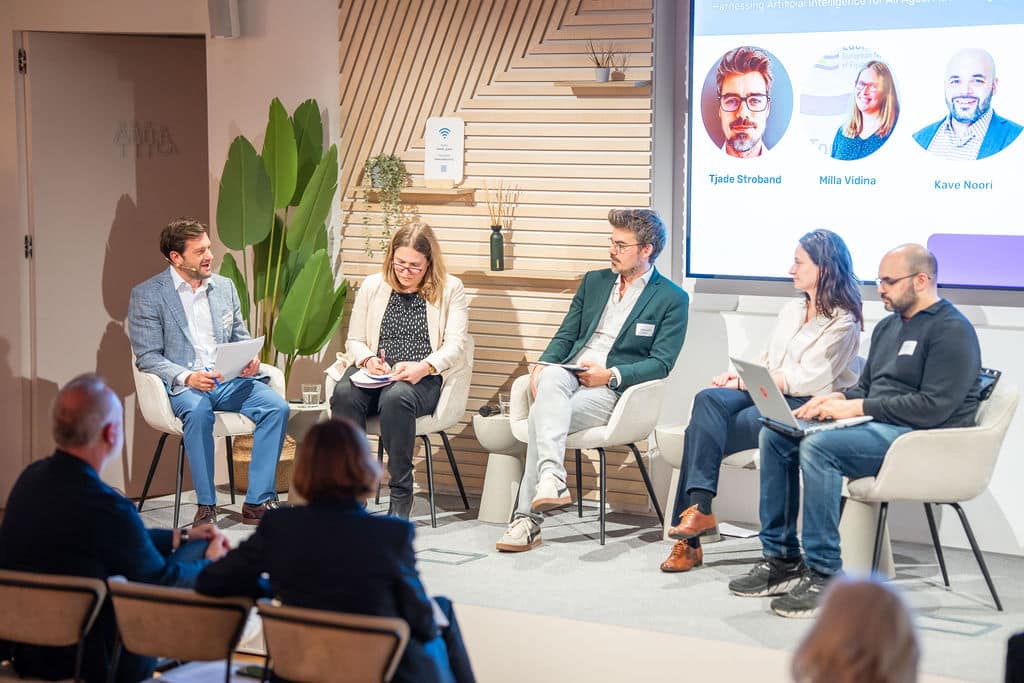
That is the question a select group of European leaders from policy, industry, academia, and civil society have addressed during the multi-stakeholder event “Harnessing Artificial Intelligence for All Ages: Addressing Ageism”, held in Brussels on 15 May 2025. 

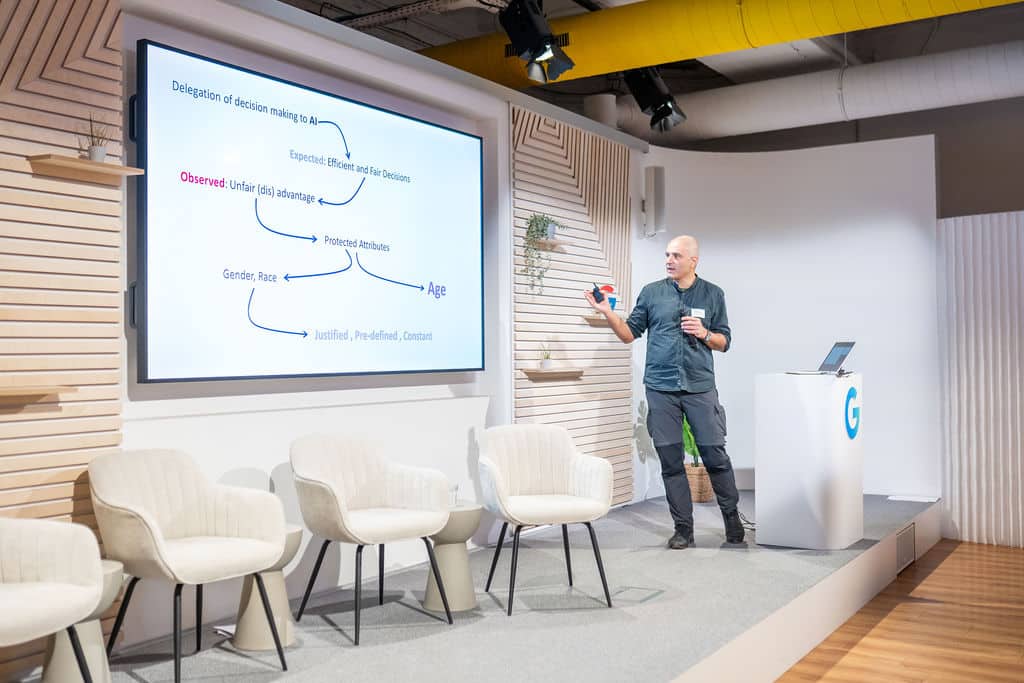
Artificial Intelligence has become a transformative force across many sectors, from healthcare and finance to social services and entertainment. This technology offers immense potential to address pressing societal challenges, improve quality of life, and foster economic growth. However, as AI systems increasingly shape decision-making processes, there is growing concern that these technologies may reinforce bias and discrimination, including ageism.

As AI systems heavily rely on data patterns, the underrepresentation of older populations in data collection efforts can result in algorithms being trained on unrepresentative data. This lack of inclusivity may lead to AI systems that do not accurately reflect the needs, behaviors, or preferences of older people. Moreover, given the prevalence of ageism across institutions and the reliance of AI systems on historical data, there is a significant risk that these technologies will replicate existing biases, perpetuate patterns of exclusion and unfair treatment towards older people.

Quote

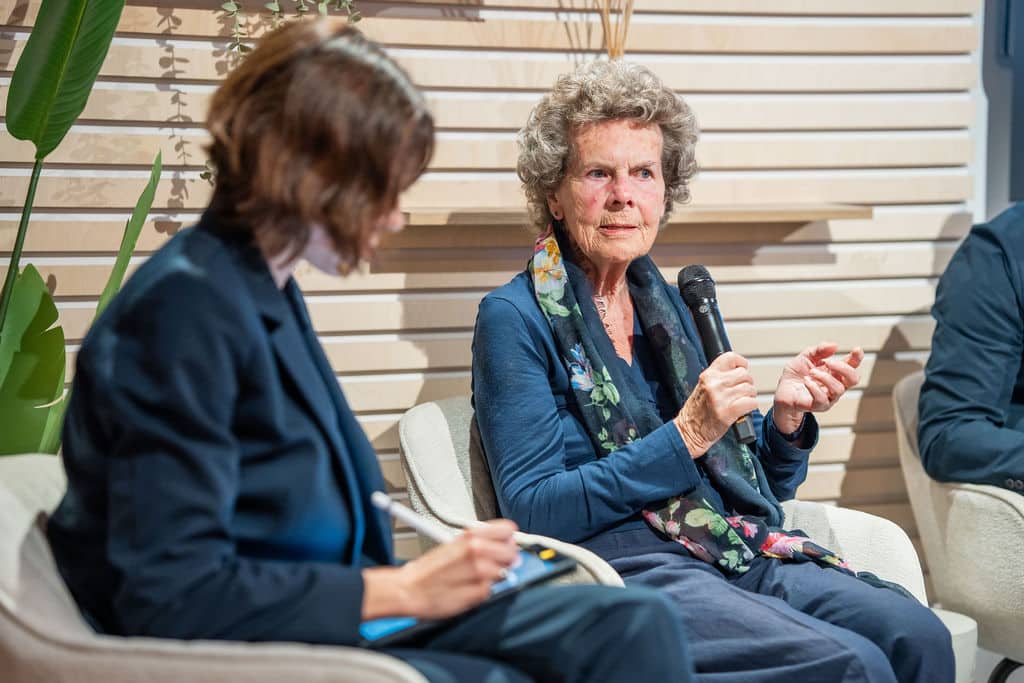
“We have a lot of experience with older persons using the technologies, including artificial intelligence in several projects. And from those projects, we know that older persons are not against technologies or any use of artificial intelligence, but it is difficult for them to use it and to understand it and to be sure and certain about its use.
Dr. Heidrun Mollenkopf
President of AGE Platform Europe

To tackle these challenges, AnyAGE.AI project together with AGE Platform Europe and Vânia de la Fuente-Núñez, MD, MA organised a multi-stakeholder event bringing together policymakers, industry leaders, researchers as well as representatives of Civil Society organisations. Discussions focused on the impact of ageism in artificial intelligence on older people, considering for instance how generative and predictive AI can be problematic, the identification of gaps in AI design and regulation, the inclusive practices that already exist and the incentives for industry to create more age-inclusive products and the opportunity offered by standards to steer the design of AI systems towards more fairness. 

More insights to come! Stay tuned for our report! 

© All Photos – Credits: Sophie Lenoir


The event was supported by the Volkswagen Foundation and hosted by the Google Digital Atelier.  

Contact

Julia Wadoux

Policy Manager on Age-Friendly Environments

Related news

Unia digital complaint
Latest NewsPress Releases
This collective complaint against Belgium aims to counter the growing digitalisation of essential services that is leaving part of the...
Skip to content