This autumn has been marked in Europe by an impressive mobilisation of young people, school pupils and students – particularly in France, but also in other countries – the largest of its kind in years. This discontent reflects, at the very least, a sense of collective anxiety amongst young people about the future, their anger and despair in the face of the successive crises our societies have endured in recent years, but also in the face of the immense challenges posed by climate change and the technological revolution, which we all face, whatever our age. It is true that social harmony is once again under threat, but it would be wrong to attribute this to a supposed conflict between generations.
A week ago, whilst attending the second meeting of the UN Intergovernmental Working Group (IGWG) – whose task is to draft a legally binding instrument on the rights of older people – I was reflecting on the ongoing youth protests when my attention was drawn to a statement by one of the Belgian members of AGE, Chris Serroyen from OKRA.
He rightly emphasised that the severe budgetary consolidation programmes under way in many of countries are “…affecting social security, healthcare and other public services – with particularly severe cuts to pension entitlements and the right to a survivor’s pension – thereby violating the human right to a decent income.” and concluded that “…all of this is increasingly being done under the pretext of intergenerational solidarity”.
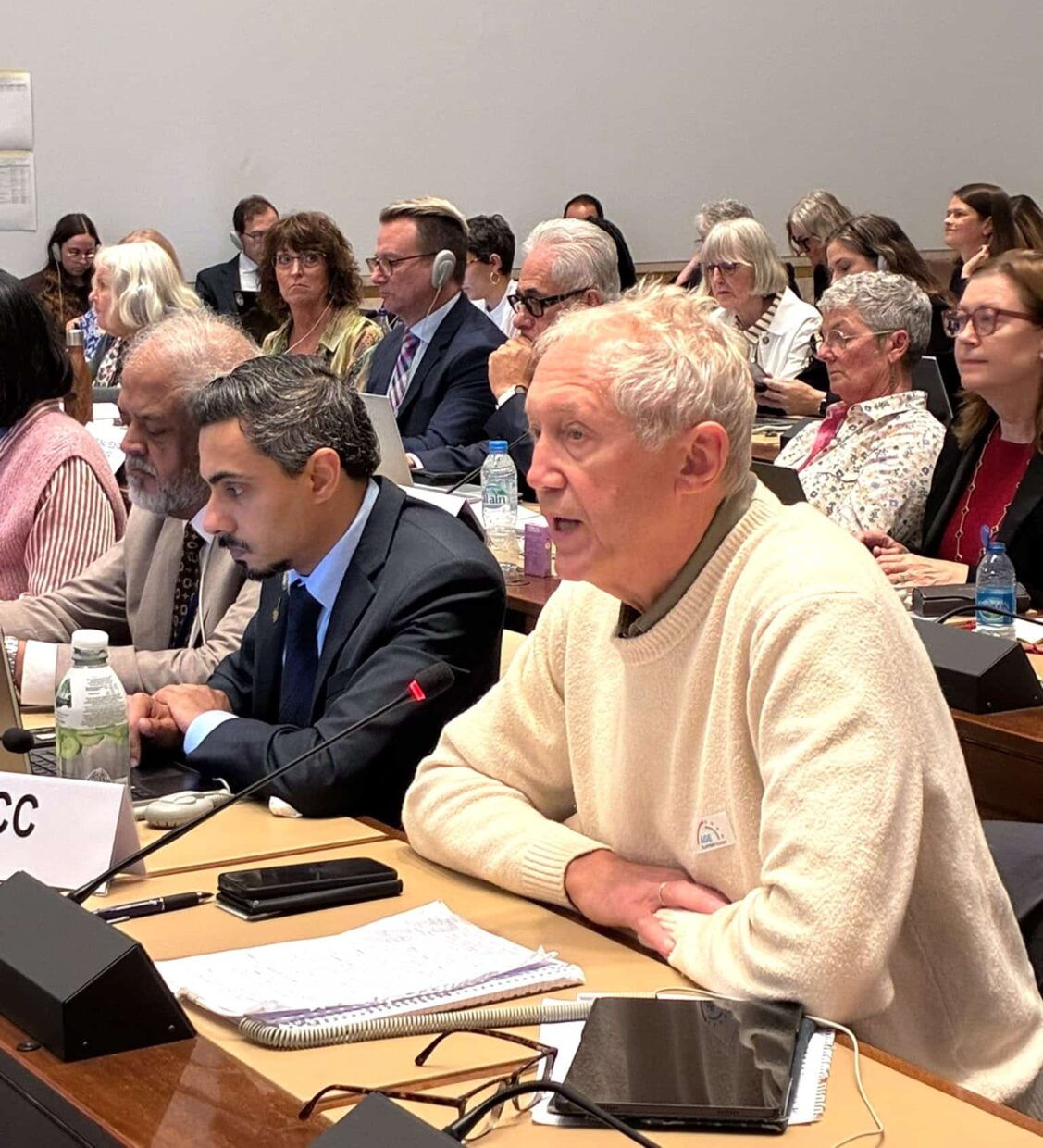
In this context, Chris referred to the work of Vern Bengtson (1941–2019), an American family sociologist known for his research into intergenerational relationships including the development of the widely used “Longitudinal Study of Generations” data set.
Unfamiliar with this researcher, I searched and found out more about his work on the family dynamics, religion and social change, and more specifically on intergenerational links. Bengtson was the author of more than 260 articles and 19 books on gerontology, theories of ageing, sociology of ageing and family sociology. Among others, the findings from his Longitudinal Study of Generations have challenged the assumption that family ties, influence, support and spirituality are in decline. On the contrary, he found that the values, attitudes and beliefs of American grandparents and parents continue to be passed down from one generation to the next.
At AGE, intergenerational solidarity is one of the key areas we address as part of our work to promote a society for all ages. When we urge the EU to adopt a strategy on age equality – this is not about privileges for older persons; it is about ensuring that we all age equally and that our rights as human beings are not dismissed because of our age. Yes, different generations may have different experiences, sensitivities and expectations, and this is perfectly natural. It is not a question of choosing between them. But when shaping our socio-economic policies, we must draw on the perspectives of the different generations living together. We need a more nuanced understanding of universal rights throughout life.
Intergenerational solidarity is especially relevant to the current socio-economic reforms under way across Europe, and their connection to human rights. This is because solidarity challenges age-based discrimination and promotes a more inclusive society where the rights and contributions of young and older people are equally recognised and respected. The demographic, technological and climate changes that we all, young and old are facing, provide an opportunity to rethink our societies and find solutions that promote a sustainable growth, shared prosperity, recognition and wellbeing for all generations.
In short, solidarity between generations is not only a socio-economic imperative, but also a principle that can help us better understand and enhance human rights throughout life.
Through their uniqueness, respective vision, talents and energy, young and older people together are the assets for growth, innovation, social cohesion, inclusion and, ultimately, our individual and collective well-being. There is no alternative but for us – all generations – to unite in the pursuit of sustainable development, saving our planet and defending equality, respect for human rights, prosperity, dignity and peace for all.
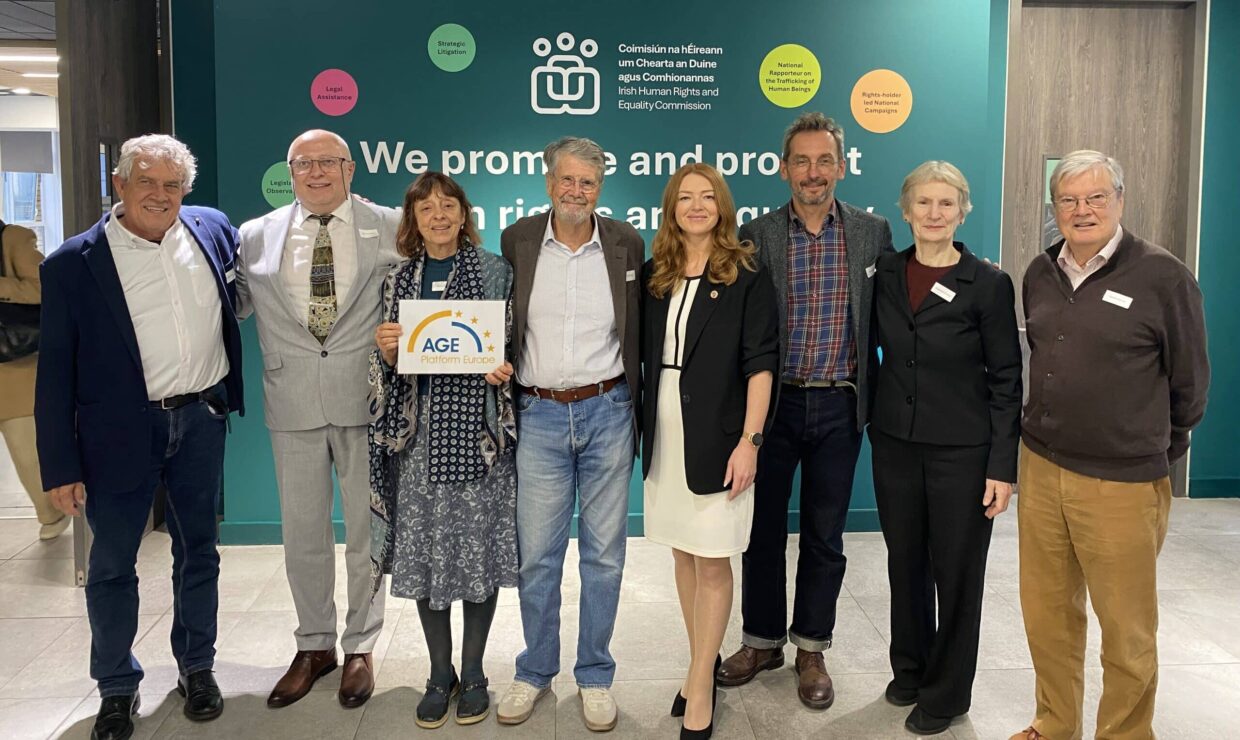
I look forward to working towards this vision alongside AGE’s new President, Maria Petkova, and the newly appointed Executive Committee: Maria Mannerholm, Alison Bough, Dario Paoletti, José-Luis Tejedor, Claude Waret and Piotr Nakonieczny. It is a privilege for me to work with you to develop further our association, with a view to building a society for all ages whilst forging links between generations and all the diverse groups within our societies.
In solidarity,
Maciej Kucharczyk,
Secretary General of AGE Platform Europe
Contact