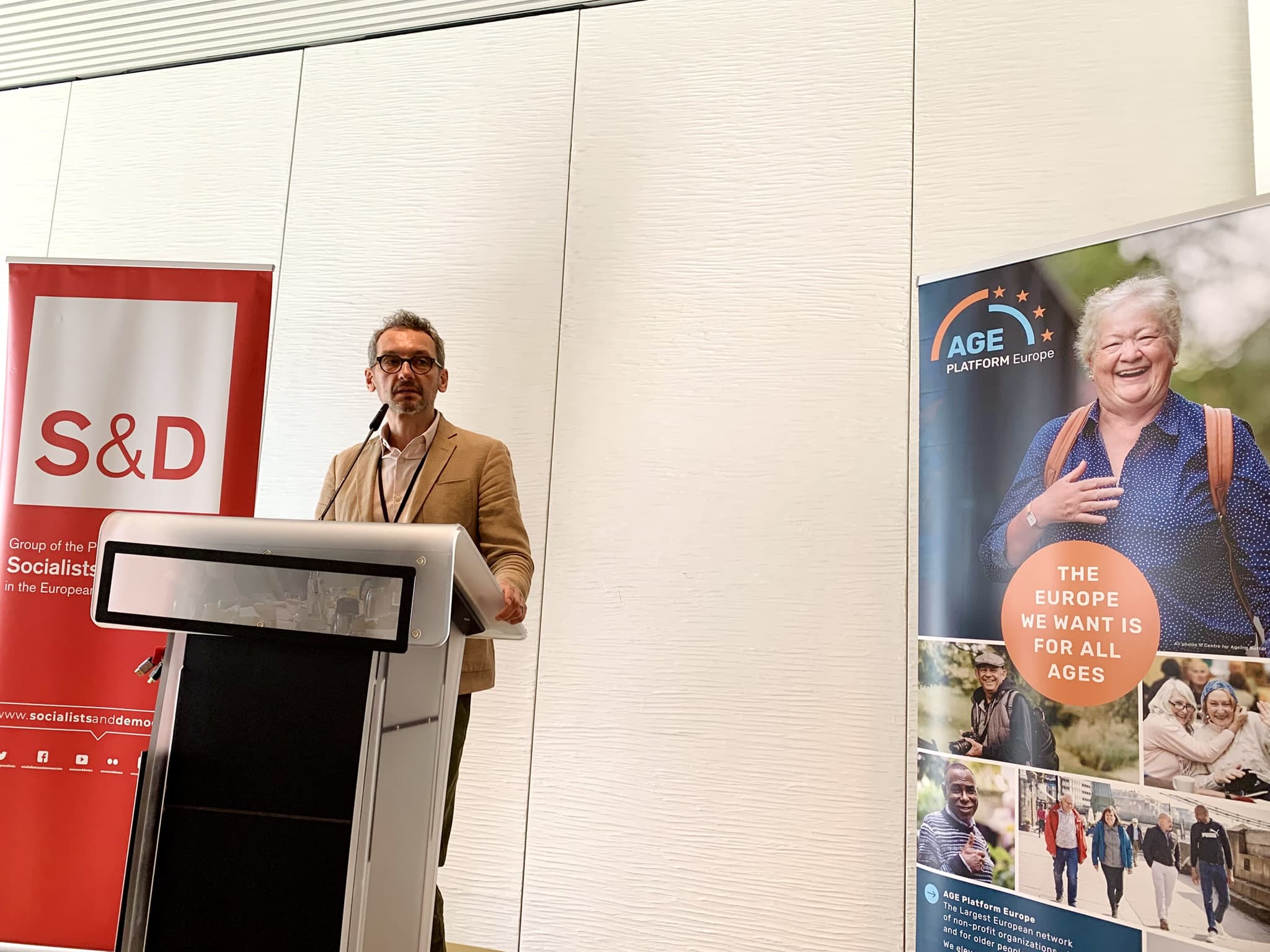
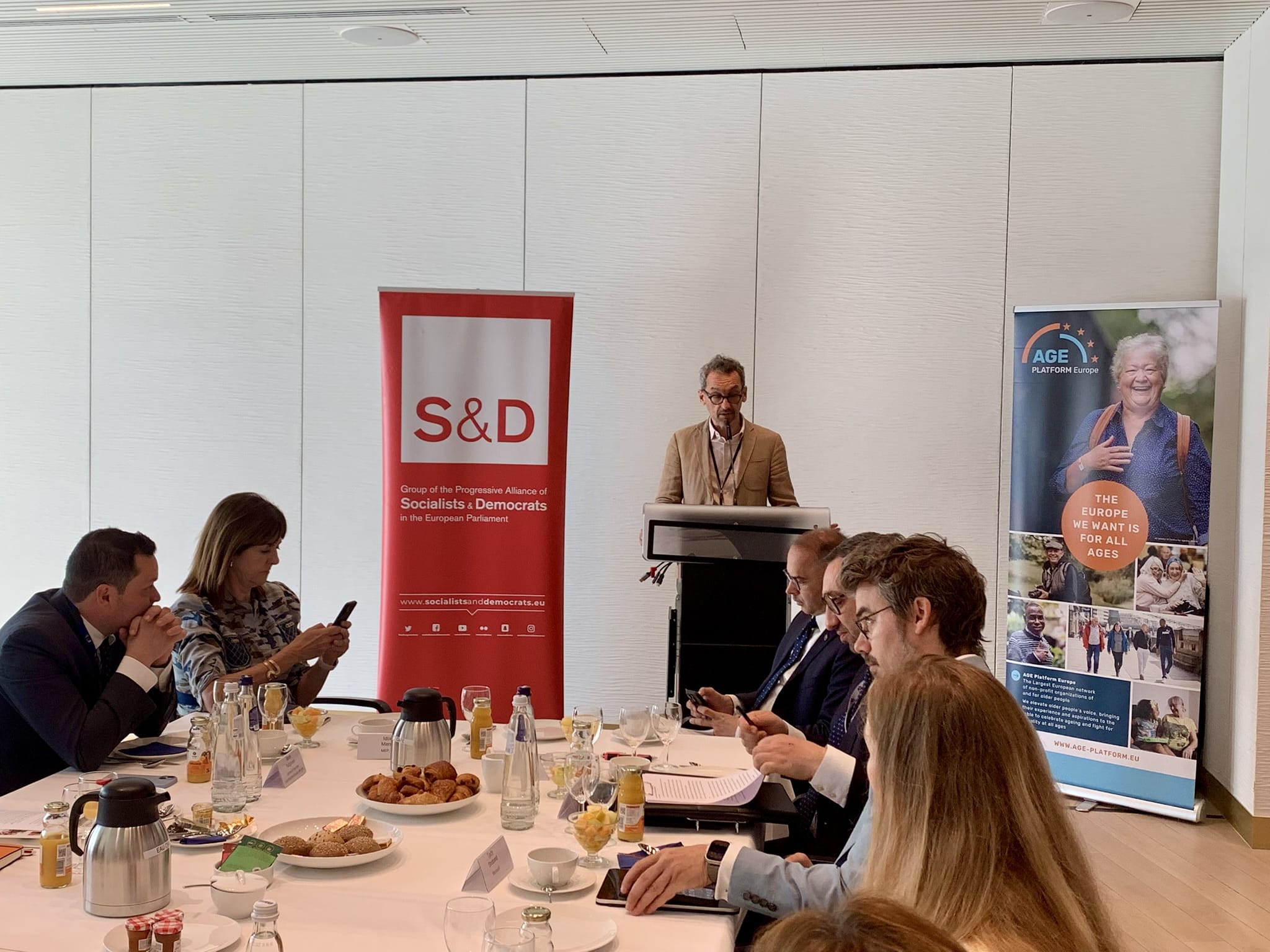
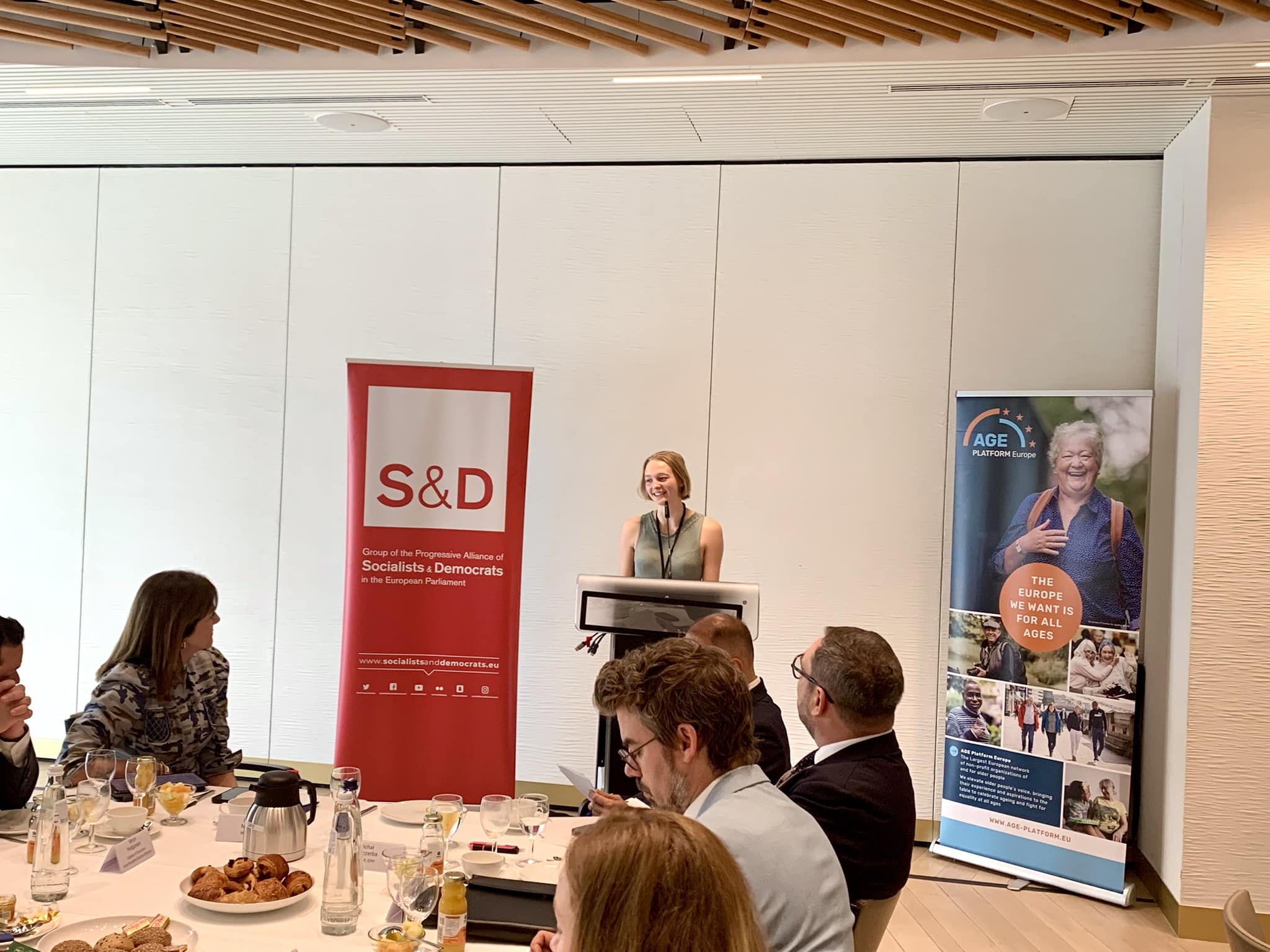
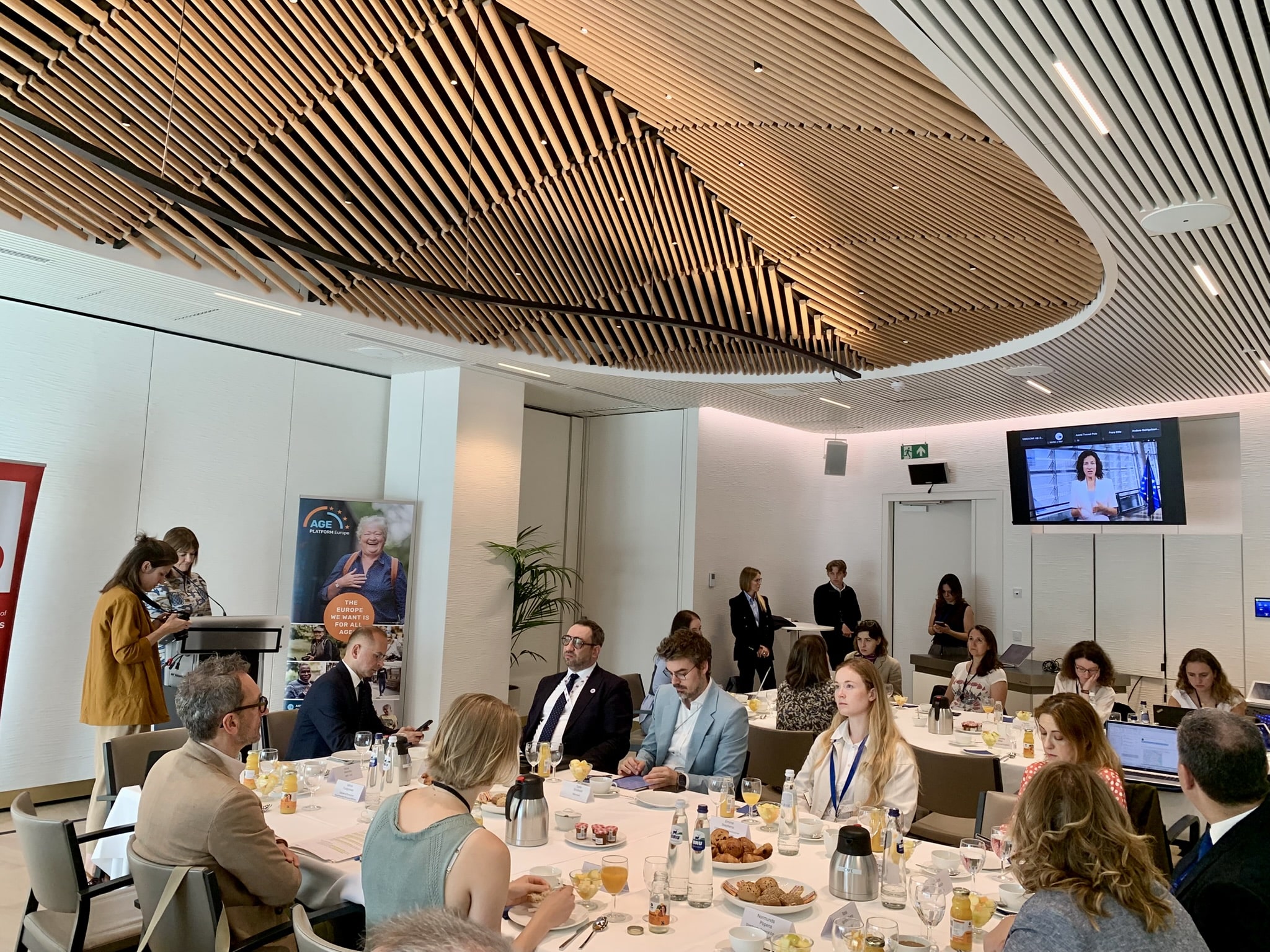
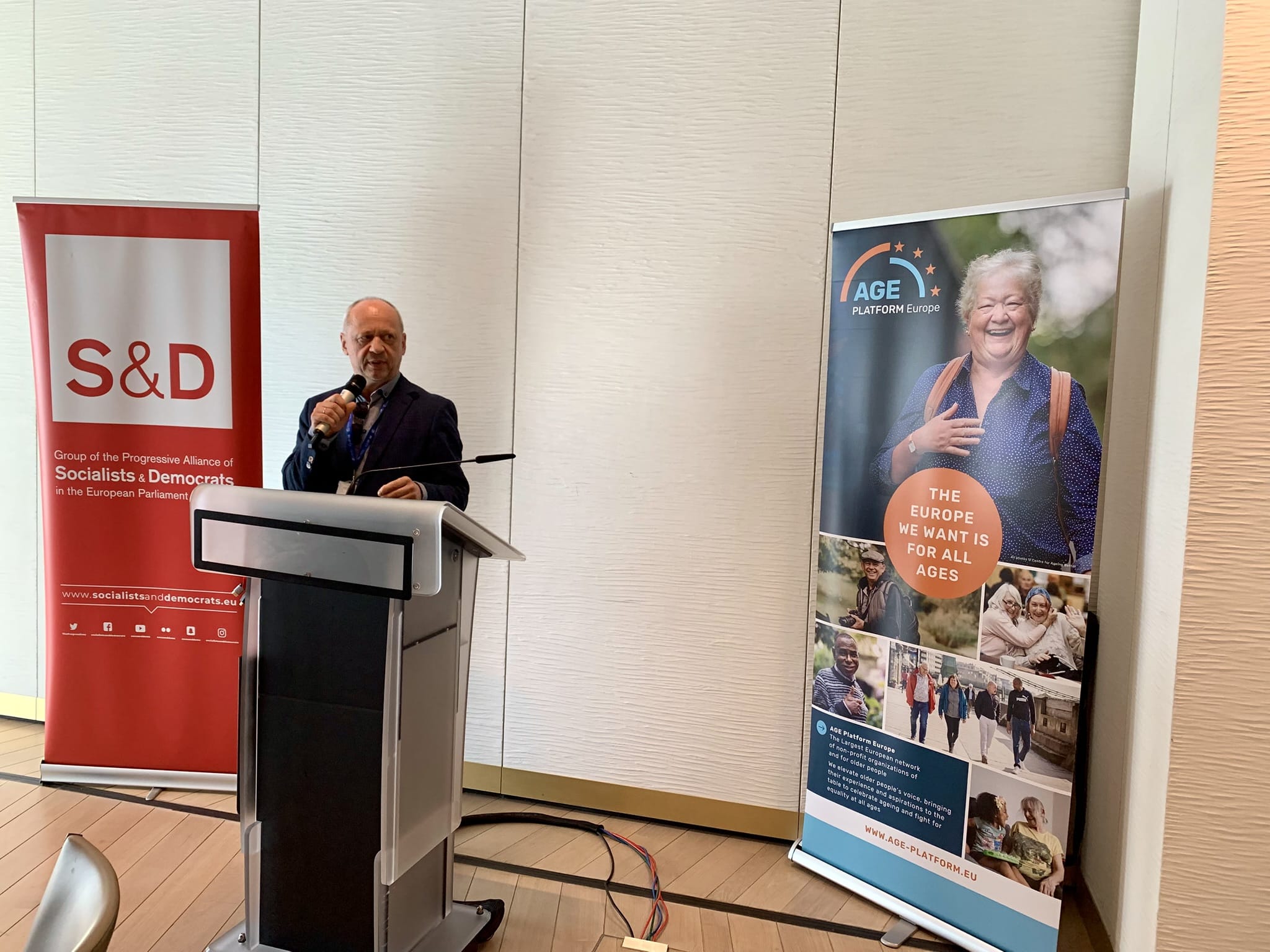
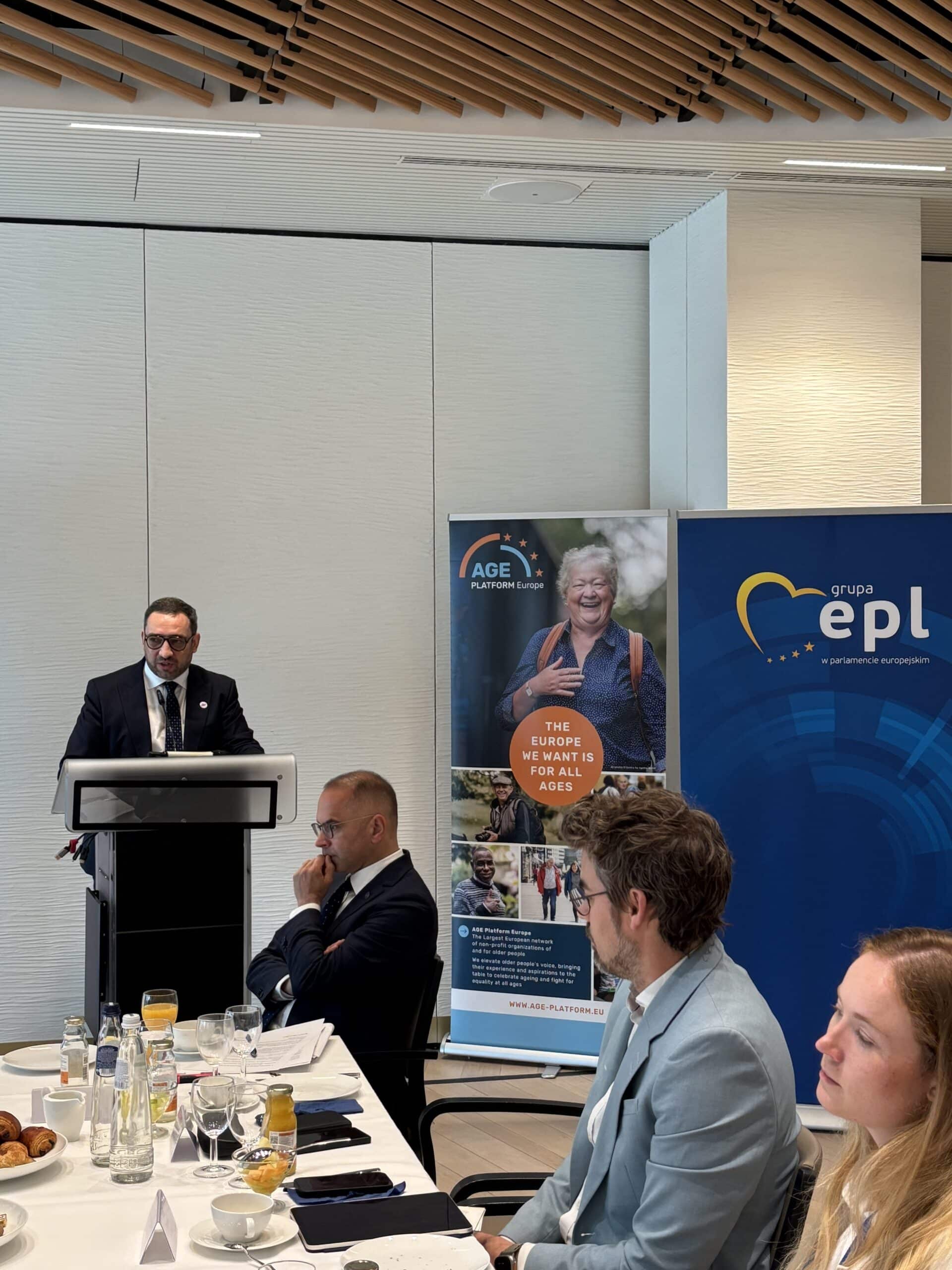
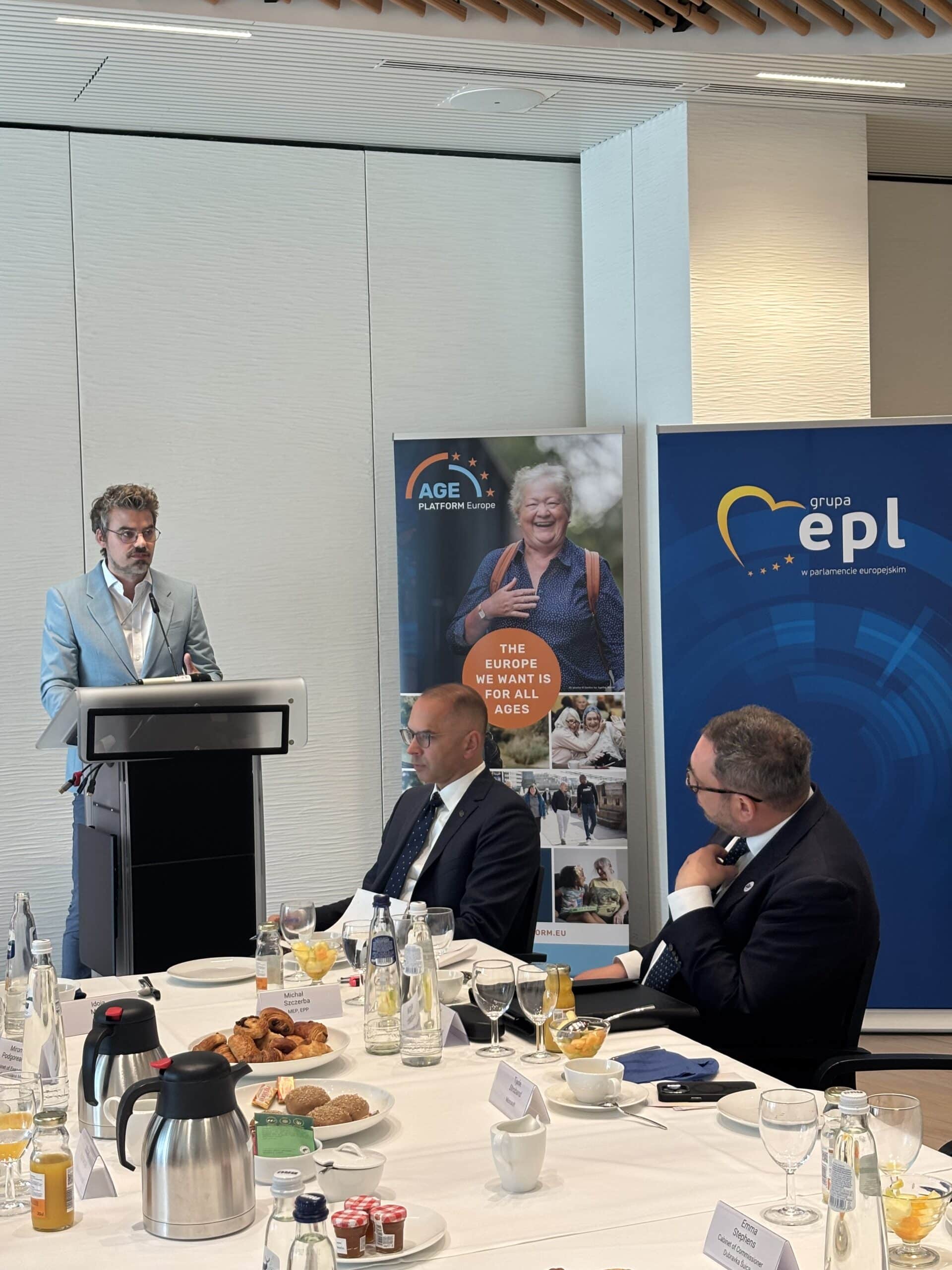
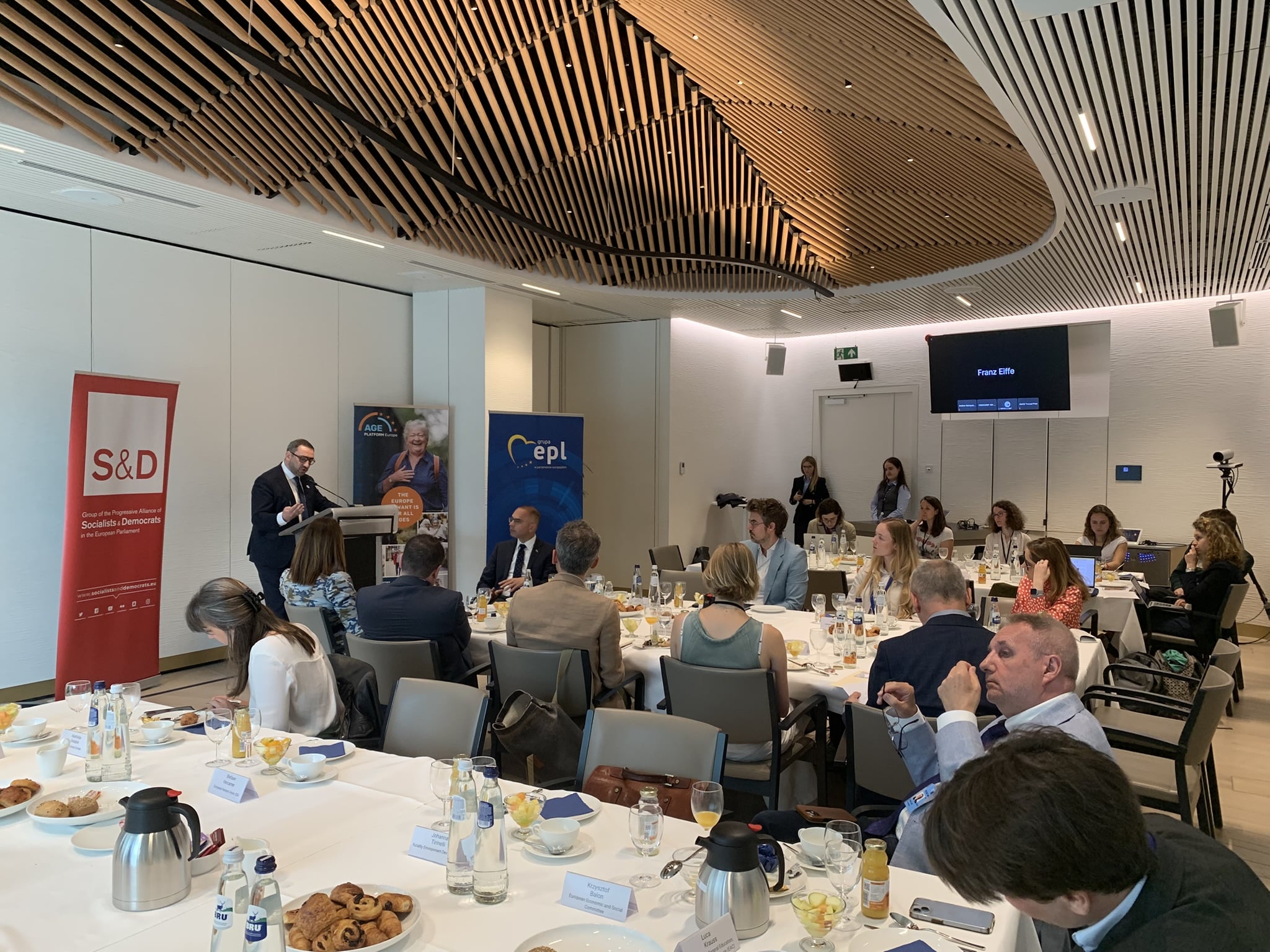
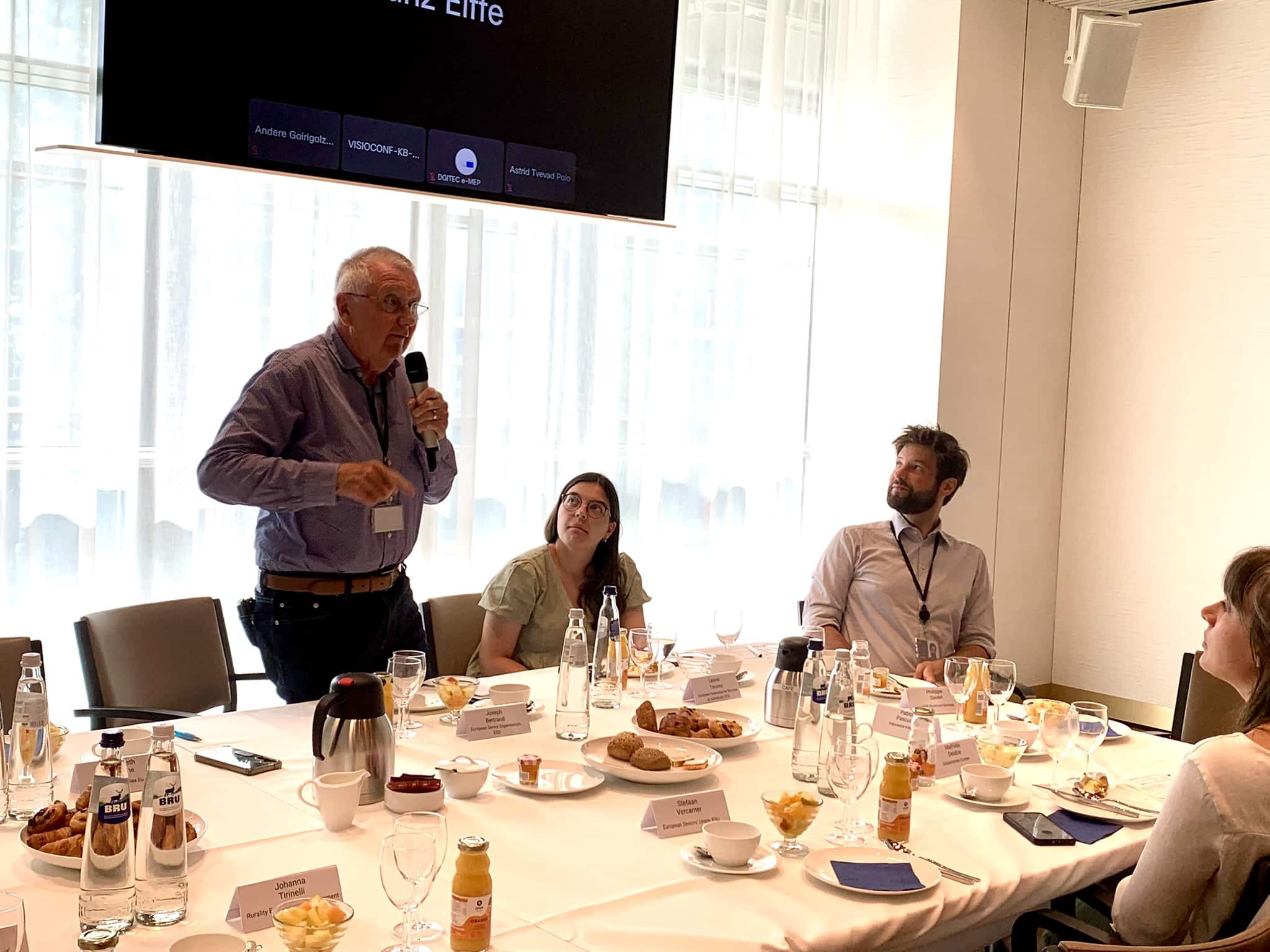
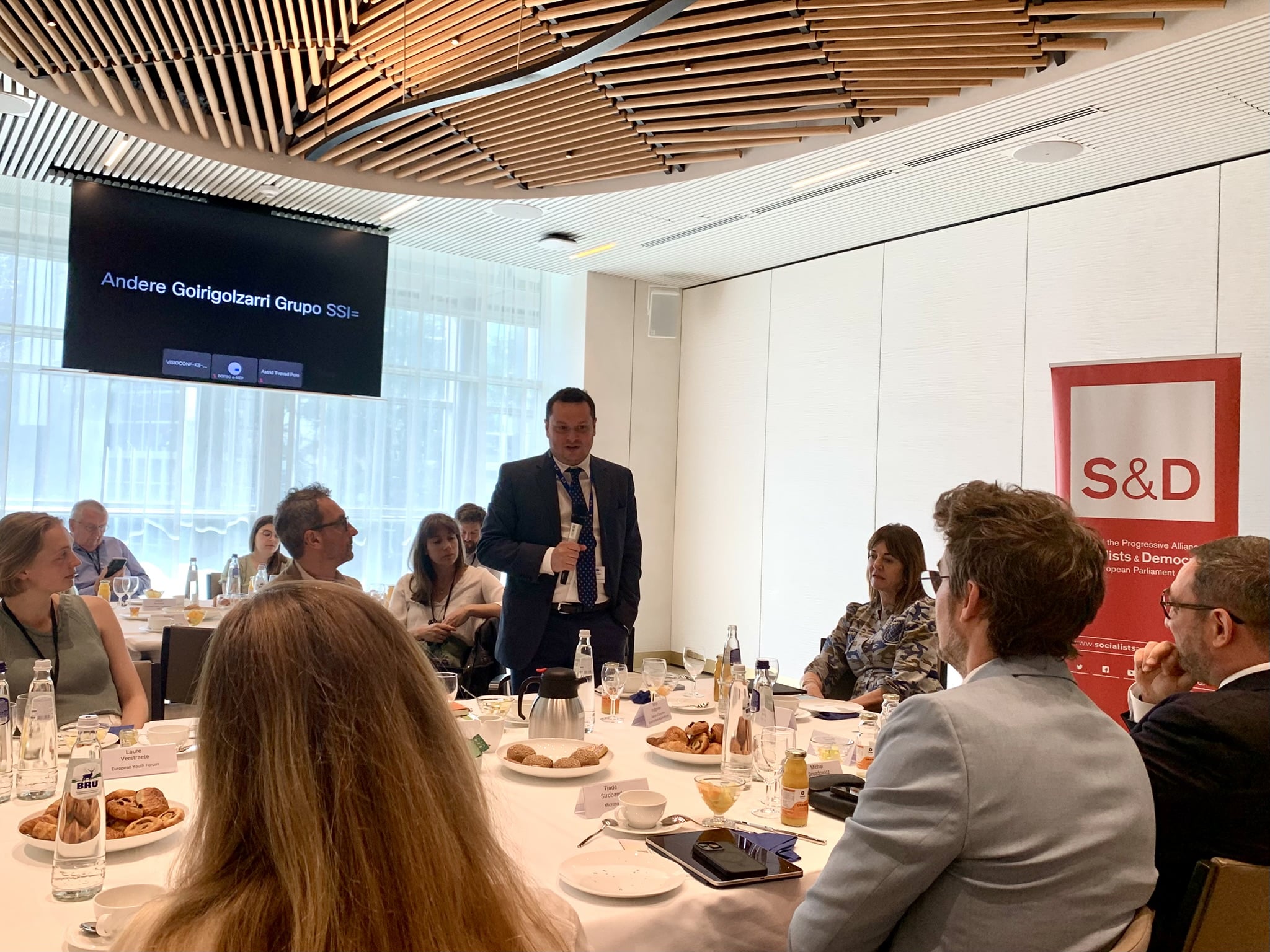
On 24 June 2025, the European Parliament’s Interest group “Europe for all ages” discussed the recent Council conclusions adopted during the Polish Presidency on supporting older people in the labour market and society, with contributions from Executive Vice-President Roxana Mînzatu, the Commission’s Directorate-General in charge of the Intergenerational Fairness Strategy, the European Youth Forum and AGE Platform Europe.
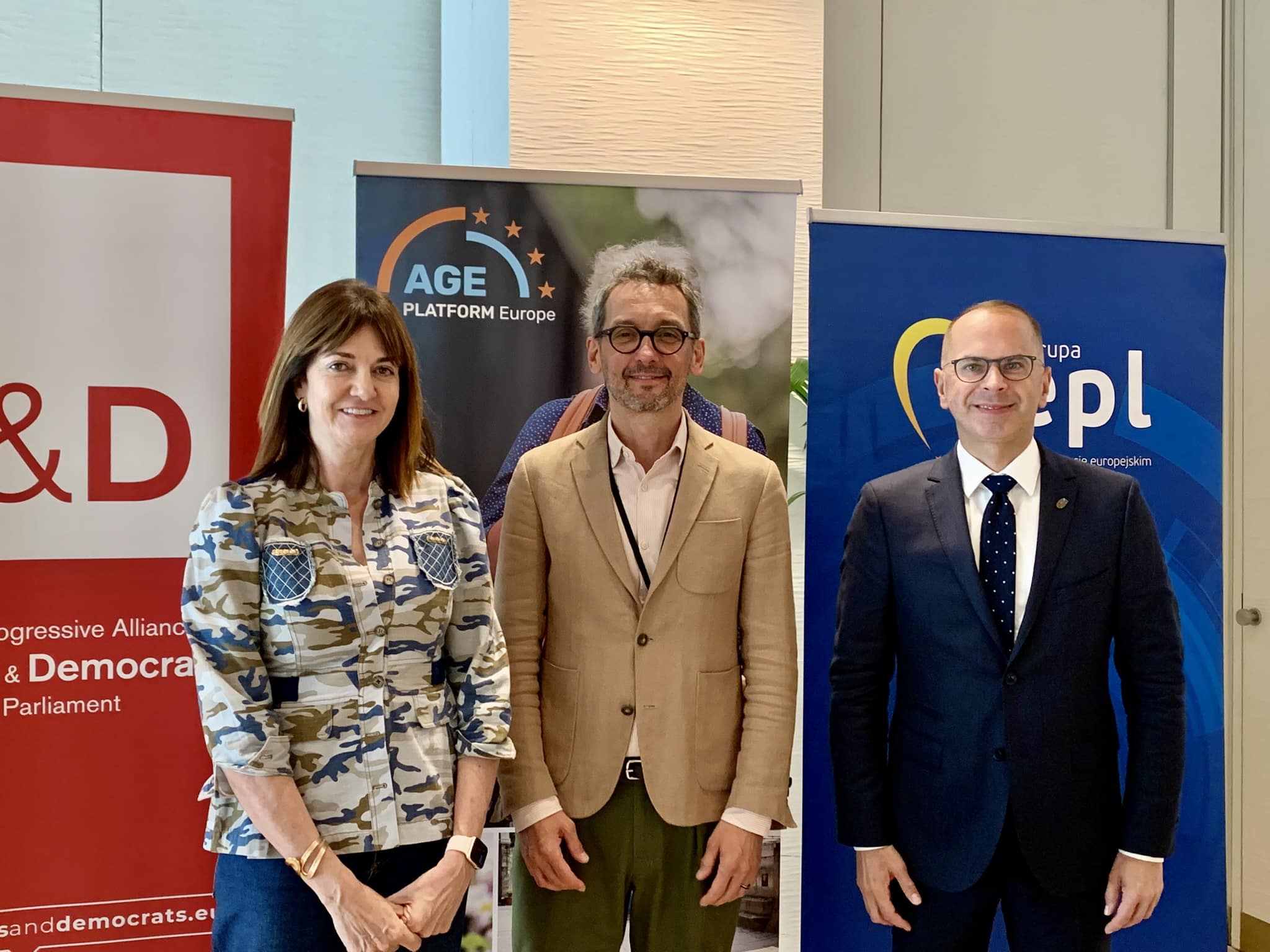
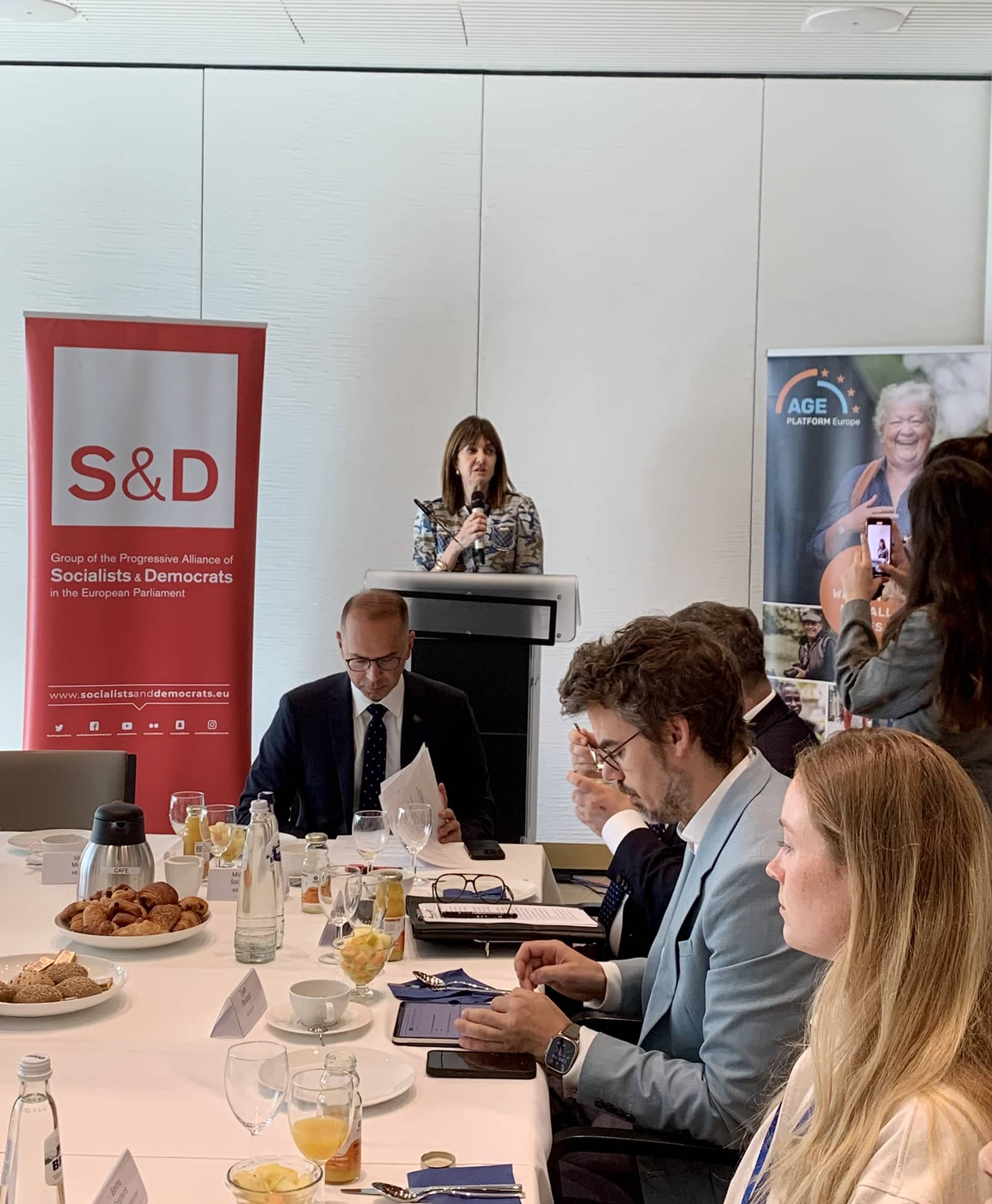
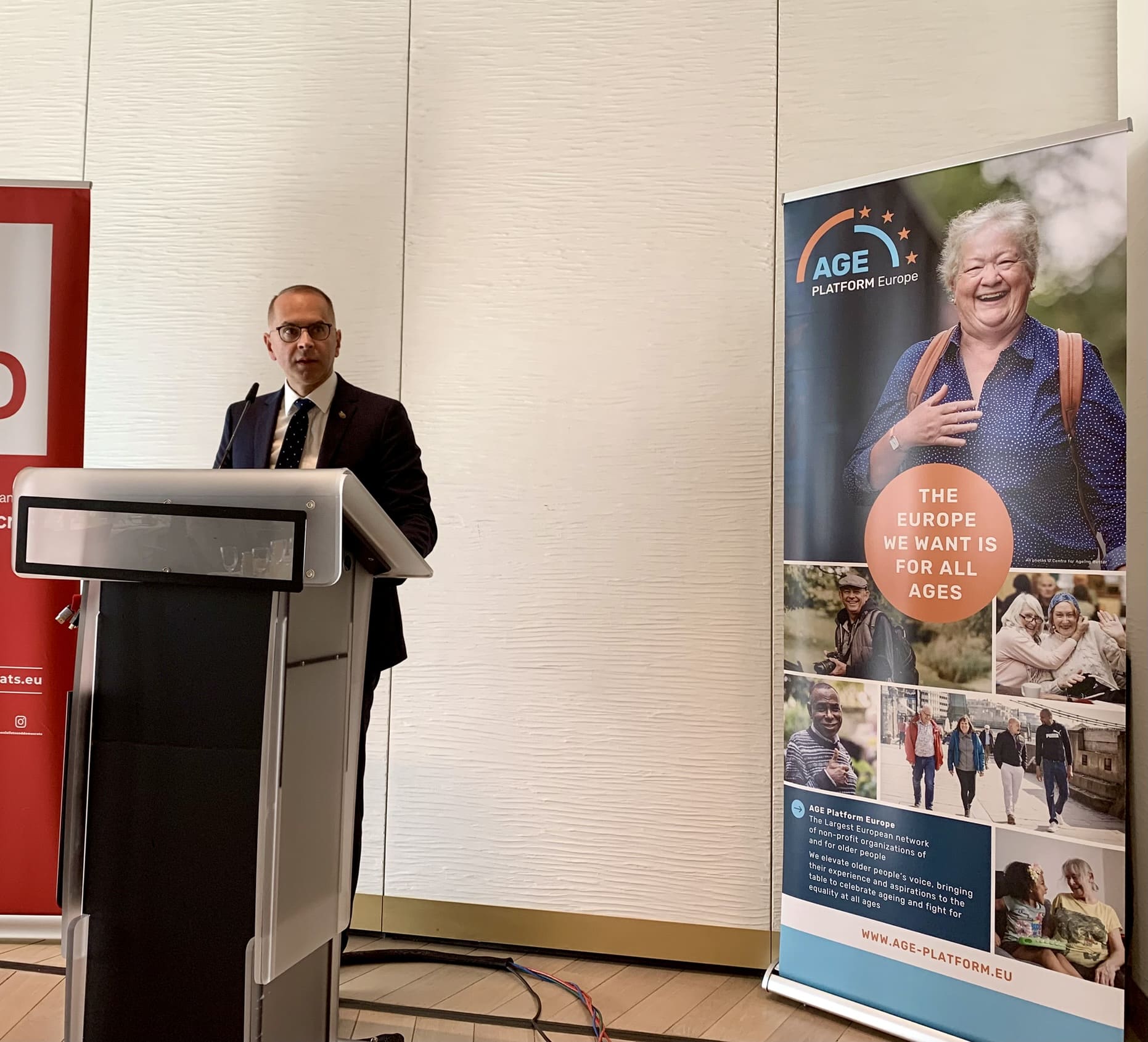
Members of the European Parliament, Idoia Mendía and Michal Szczerba, co-chairs of the Interest Group, hosted the debate. Ms Mendía insisted: “Ageing is not a crisis”. Rather, it is an achievement and it is what our public policies make of it. Mr Szczerba reinforced this point underlining that ageing is not about decline, but about civic energy and potential.
Supporting older people in their contributions with a new intergenerational pact
The occasion of the meeting was the adoption by the Council on Conclusions on empowering older workers. Executive Vice-President Mînzatu emphasised that the shrinking population of labour-market age is a challenge to welfare systems, underlining that the contributions of all generations are essential. Europe should come up with a new intergenerational pact.
Mr Popens of the Directorate-General on Education, Audiovisual and Culture called for more reskilling and upskilling as part of education systems. He underlined that there is wide support for an Intergenerational Fairness Strategy, currently prepared by Commissioner Glenn Micallef.
The new Intergenerational Fairness Strategy: both younger and older people should be at its heart
Speaking on behalf of AGE, Secretary General Maciej Kucharczyk called for policies that unlock the potential of ageing and recognise that our rights and participation should not be dismissed as we get older. He reminded that older persons are necessary with their potential and net contributions to society as we strive to be more competitive. He warned about the impact of ageism and called for more robust means on European level, supporting not only fairness, but also solidarity. The upcoming Strategy should contain an Action Plan against Ageism.
The European Youth Forum (YFJ) also works on the Intergenerational Fairness Strategy, and has brought forward six principles for it, exposed Laure Verstraete, board member of YFJ. Both fairness between and within generations should be strengthened, the economic independence of young people supported, by strengthening the Youth Guarantee and eliminating unpaid internships. She urged that both younger and older people should be at the heart of the new Strategy.
Using technology to empower older persons
For the Polish Council Presidency, Mr Drozdowicz highlighted the contribution of AI and technologic development, which can empower older people and foster inclusion. The new strategy should fully include older people, and the position of the Council reached by the Presidency on the Traineeship Directive should advance also younger persons’ concerns. The potential of technology has also been highlighted by Tjade Stroband, speaking for Microsoft. However, AI models must be developed with the inclusiveness of societies, to which we aspire, embedded. Developers must address exclusion by engaging people by design – both older persons and persons with disabilities. He highlighted the white paper developed by Microsoft on protecting the public from abusive AI, to which civil society organisations, including AGE, have contributed.
A lively discussion further emphasised the need for age-inclusive policies. For the European Seniors’ Organisation, Jos Bertrand called for both a Senior Strategy and a Care Guarantee, in analogy to the Youth Strategy and Youth Guarantee, and warned about the democratic governance of Artificial intelligence developments. The European Economic and Social Committee has developed an important contribution for the Strategy, emphasied EESC Member Krzysztof Balon (on older people in employment and on intergenerational solidarity). Intergenerational Fairness should also be included into the European Pillar of Social Rights Action Plan and the EU Anti-Poverty Strategy, proposed Mr Podgorean, member of EVP Mînzatu’s Cabinet. The Cabinet prepares a Care Deal which should also mainstream this approach.
The Interest Group will gather again in October 2025 to bring the debate to a higher level and contribute to the design of the upcoming Strategy.
Photo Gallery
Contact

Philippe Seidel Leroy
Policy Manager on Social and Economic policies and European Parliament Liaison