

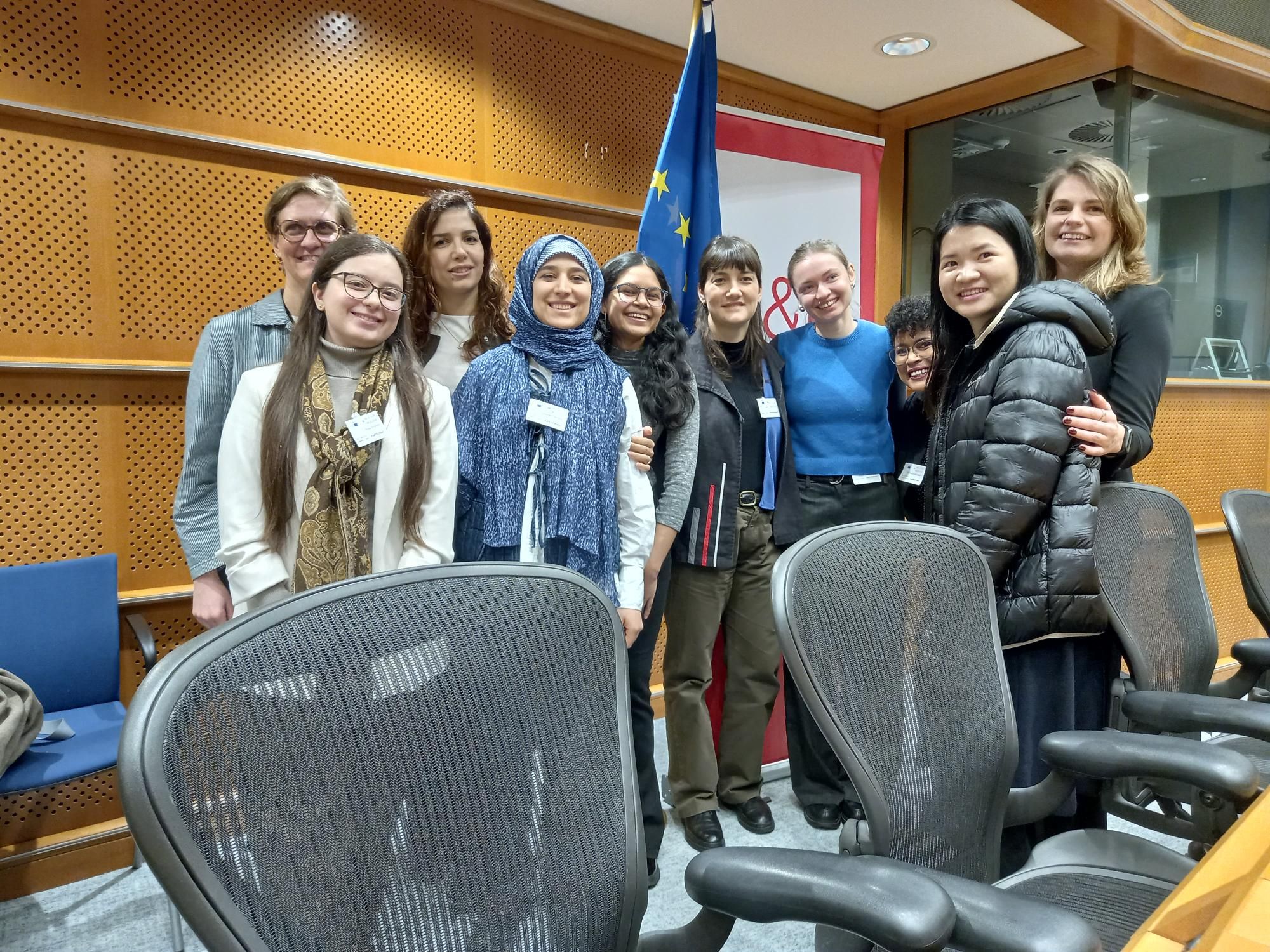
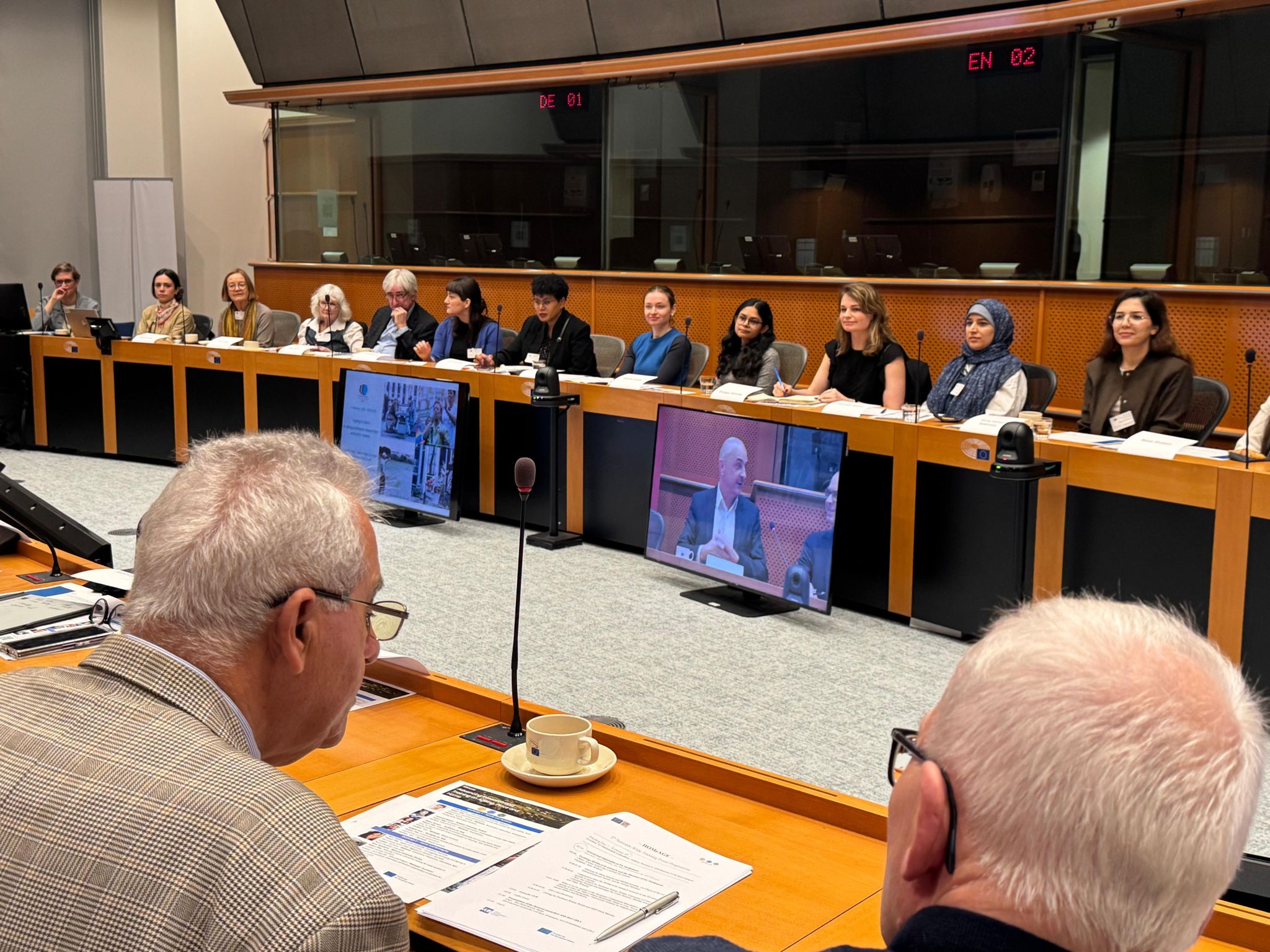
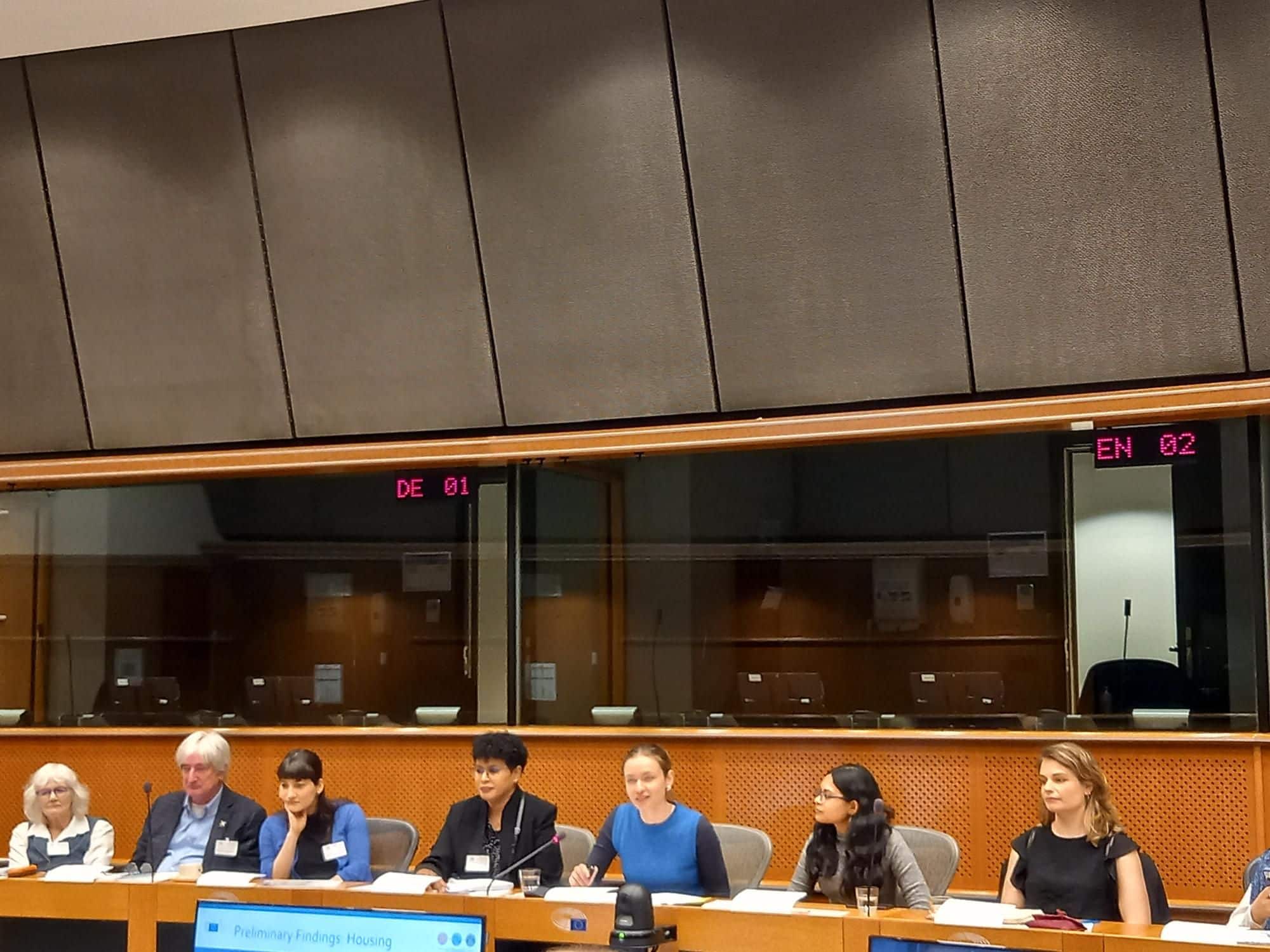
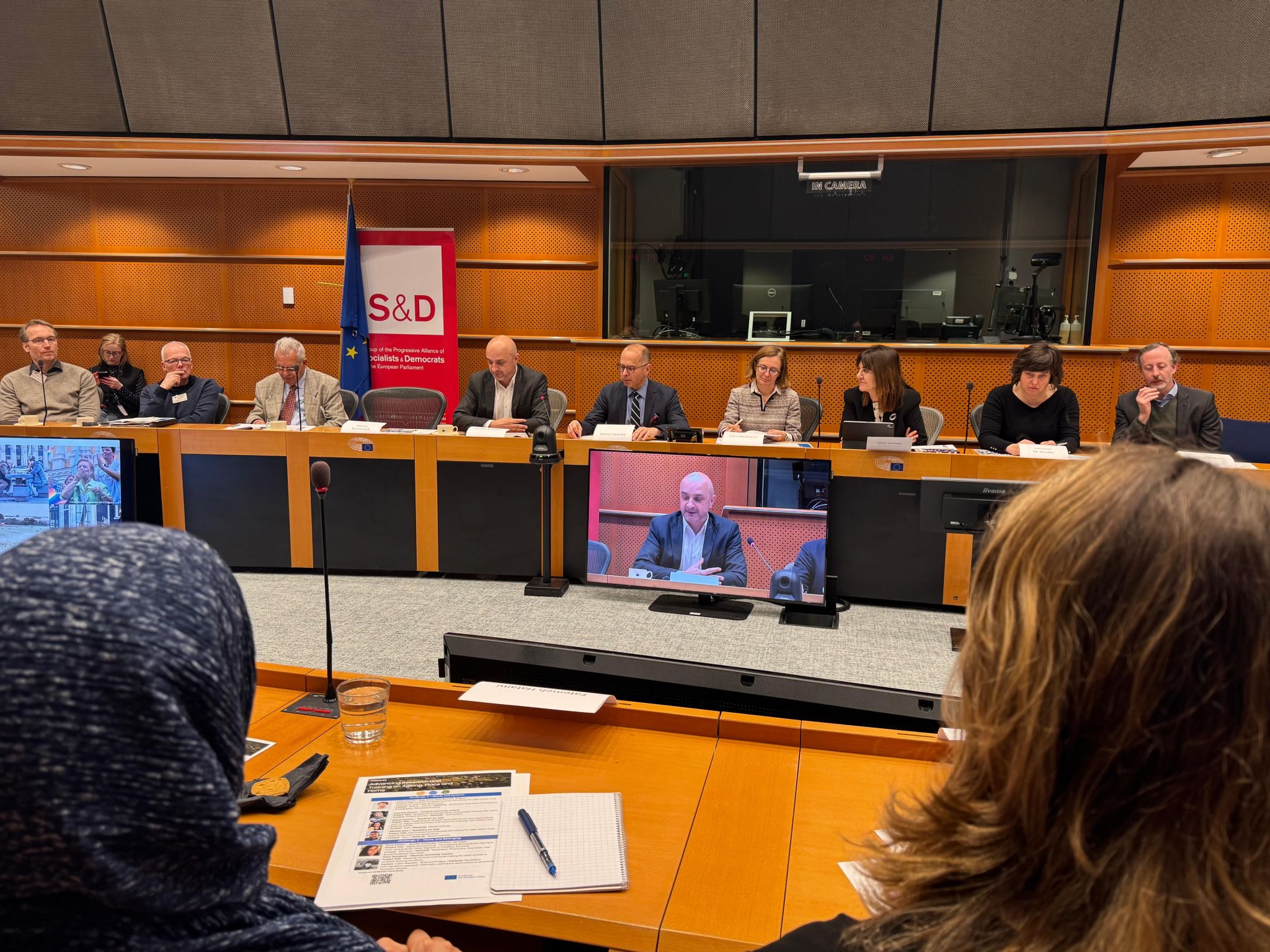
As the European Parliament’s (EP) Committee on Housing was finalising its main report, the researchers of the HOMeAGE Doctoral Network, supported by AGE Platform Europe, presented some of their preliminary results to the EP Intergenerational Forum.
Housing and ageing in the work of the European Parliament
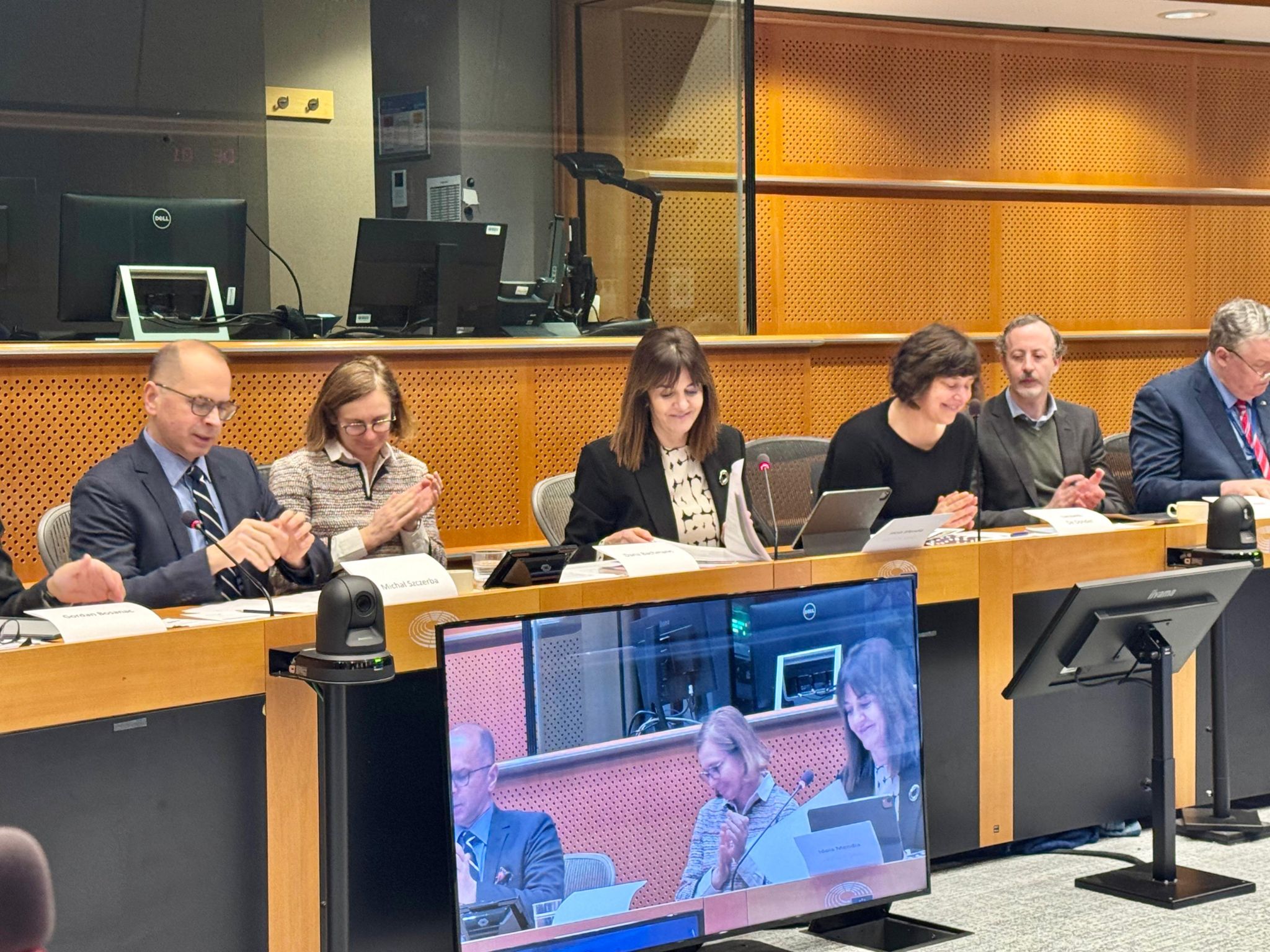
The event was hosted by the EP Intergenerational Forum. Co-chair MEP Idoia Mendia opened the event highlighting the context of moving towards a UN Convention on the Rights of Older Persons and the need for a European Strategy on ageing to make rights real and effective. Co-chair MEP Michal Szczerba added that ageing in place must be further developed, there too often is no alternative to moving to a care home. MEP Gordan Bosanac added that the work on the EP’s Housing committee could do more to integrate ageing and housing needs in relation to ageing into its work, especially looking at low-income pensioners. MEP Ciaran Mullooly raised the concern of loneliness and the many deaths which can be related to loneliness in some way, pledging to support pilot projects in the European Parliament which can explore this aspect.
Professor Kieran Walsh presented the framing of the HOMeAGE doctoral research. He defined ageing in place as supporting older people to live in the communities they chose to live in. HOMeAGE focusses on three areas: the unmet needs in housing, home and belonging, and rights and voice.
Housing and mobility needs
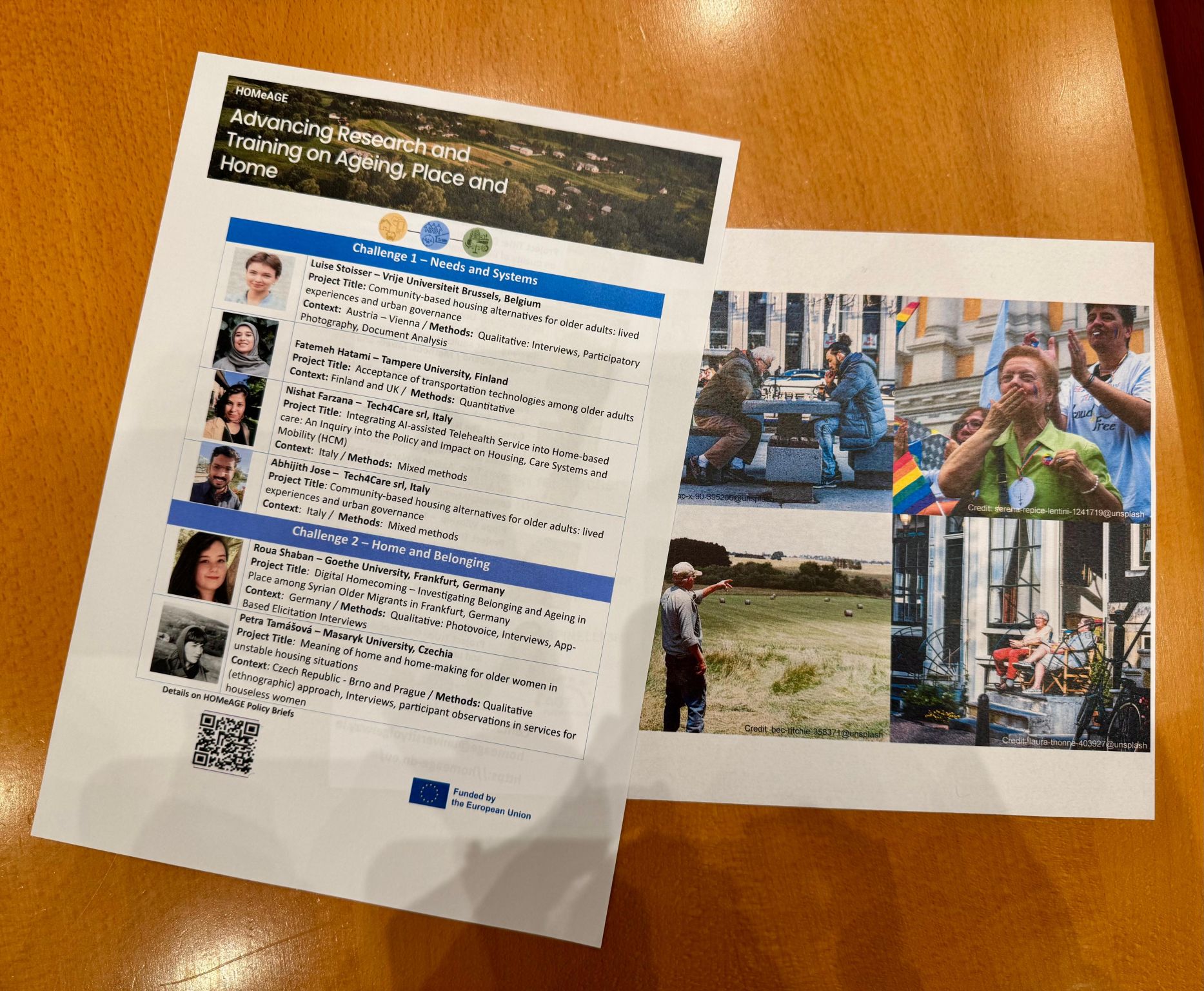
Luise Stoisser presented parts of the finding on housing needs. She emphasised that different people could feel different about the same context: it can be experienced both as home and a prison. Bridging the gap between living at home and in institutions is sometimes difficult. In Vienna, for example, the legal framework is not adapted to providing care in alternative settings, as they need to respond to the same norms as large institutional facilities.
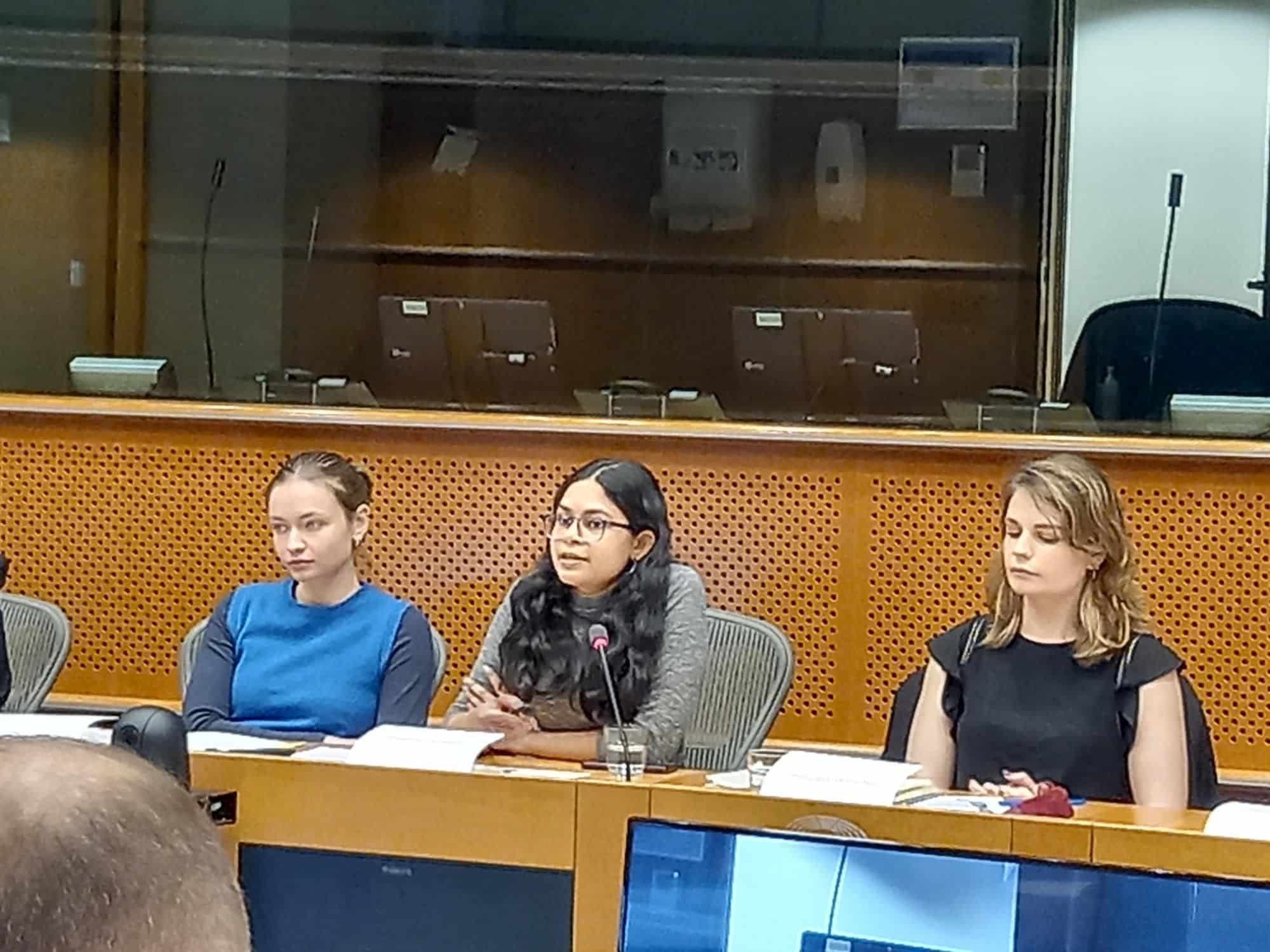
The research of Fatemeh Hatami looked at the take-up of new mobility technologies, such as shared e-bikes, by older persons. The highlighted that older persons will use these innovations, if they are designed in an accessible way, not applications which are complicated to navigate.
Home and belonging
In the area of home and belonging, Roua Shaban looked at the sense of belonging of ageing Syrian migrants in Germany. She emphasised that belonging is important for quality of life, and for women in precarious housing situations it is difficult to create sustainable places. Digital technologies can help older migrants create “emotional infrastructure” but also backfire by reminding of the trauma of leaving their old homes behind. She emphasised that digital services must be designed in an inclusive way and pledged to take seriously the lived experience of older persons in the places they live.
Rights and Voices
Pippa Winship presented the work on rights and voices. She underlined that the human rights dimension is often overlooked and acquired rights might no longer be applied as people age. They tend to be neglected, for instance in rural polices or in regeneration projects of neighbourhoods. However, older people want to take part in these domains shaping their environments, and they have much to contribute by bringing in a historic perspective and talking about their experiences of exclusion. Consultation is however often sporadic and project-based, creating consultation fatigue among these residents. It should be clear how residents’ concerns are taken into account and build in inclusion at all levels of regeneration projects.
How does the European Commission support reforms for home and person-centred care?
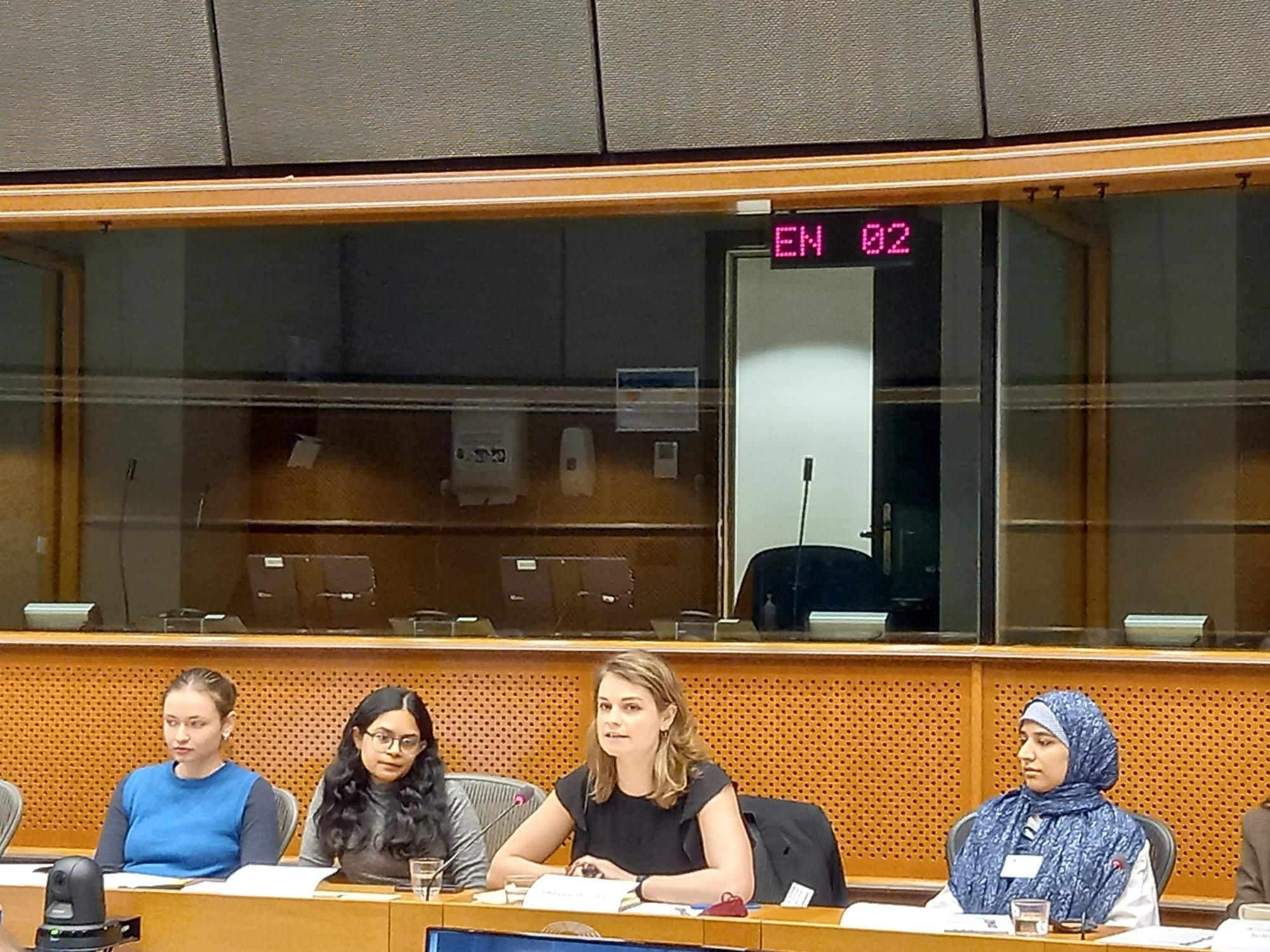
Responding to the concerns, Ms Dana-Carmen Bachmann highlighted the ongoing initiatives of the European Commission responding to some of the challenges raised: Member States will report on a mapping of long-term care settings, and we see a fundamental shift across all places towards home care and person-centred approaches – even though residential care remains the most widespread model. Member States also put forward more innovative and hybrid models, such as small, adapted facilities or intergenerational housing. There are going to be more investments into home care, through ESF, Research, Digital Europe and Erasmus.
Ms Mendia closed the meeting underlining that these experiences are important for the next big initiatives, such as the anti-poverty strategy and the intergenerational fairness strategy. The EP Intergenerational Forum stands ready to work on these matters and to continue to exchange with researchers for shaping good policies.
Useful links
Contact
Philippe Seidel Leroy
Policy Manager on Social and Economic policies and European Parliament Liaison


